info@aethelcare.com +91 97959 65791 24/7 International Support
TRANSPLANT

Organ Transplant in India

AethelCare Provide Top Specialist Doctors And Best Hospitals For Your Medical HealthCare.
OVERVIEW

Organ Transplant? Kidney, Liver, Heart & Lung transplants.

State-of-the-art organ transplantation center providing end-to-end surgical precision, dedicated post-op ICU suites, and comprehensive lifelong immunosuppression management.
World-Class InfrastructureNABH/JCI accredited centers with global standards
Up to 80% SavingsDramatically lower cost than USA, UK, or Australia
Expert SpecialistsInternationally trained & board-certified specialists
Priority CareImmediate scheduler booking with zero waiting list
Specialist Doctor in India
500+ Top Specialists 20+ JCI & NABH Accredited Hospitals
SPECIALIZED CONDITIONS & PROCEDURES

Explore Organ Transplant Sub Categories

Explore dedicated sub-specialties with expert doctors, accredited hospital centers, and tailored treatment plans in India.

5 Sub Specialties Get Treatment Opinion
Liver Transplant
Organ Transplant

Liver Transplant

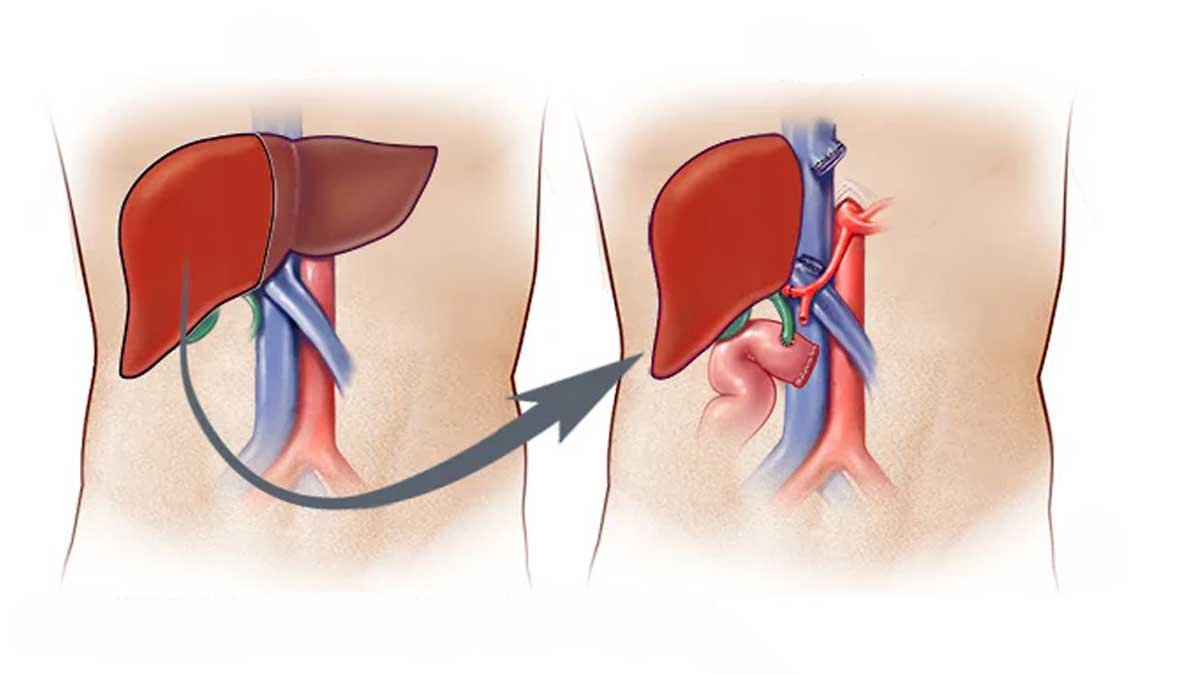
A liver transplant is a major surgical procedure performed to replace a diseased, failing, or damaged liver with a healthy liver from a donor. It is typically considered when the liver can no longer function adequately (end-stage liver disease or acute liver failure) and other treatments are no longer effective.1. When is a Liver Transplant Needed?Common conditions that lead to a liver transplant include:Chronic Liver Failure / Cirrhosis: Long-term damage from conditions like chronic hepatitis (B or C), alcoholic liver disease, or non-alcoholic fatty liver disease (NAFLD/NASH).Acute Liver Failure: When the liver fails rapidly (often due to drug toxicity, such as an acetaminophen overdose, or viral hepatitis).Primary Liver Cancers: Certain tumors originating in the liver, such as hepatocellular carcinoma.Genetic and Metabolic Disorders: Inherited conditions that impair liver function over time.2. Types of DonorsDeceased Donor: The most common source, where a healthy liver is retrieved from an individual who has suffered brain death, and whose family has consented to organ donation.Living Donor: A healthy family member or compatible volunteer surgically donates a portion of their liver. Because the liver has a unique ability to regenerate, both the donated portion and the remaining part in the donor grow back to normal size and function within weeks.3. The Procedure and Recovery ProcessThe Surgery: The operation typically takes between 6 to 12 hours. Surgeons remove the diseased liver and connect the blood vessels and bile ducts to the donor organ.Hospital Stay: Following surgery, patients spend several days in the Intensive Care Unit (ICU) for close monitoring, followed by a transition to a standard hospital ward. Total hospital stay usually ranges from 7 to 14 days.Long-Term Recovery: Initial recovery at home takes about 3 months, while full recovery and return to routine activities generally span 6 to 12 months.4. Outlook and Success RatesLiver transplantation has high success rates globally and at specialized centers:One-Year Survival: Approximately 85% to 90% of patients survive the first year post-transplant, which is the most critical period.Long-Term Survival: Five-year survival rates typically range between 70% and 83%, with many recipients living healthy, active lives for decades.5. Post-Transplant CareImmunosuppressants: Recipients must take anti-rejection medications for the rest of their lives to prevent their immune system from attacking the new organ.Monitoring & Lifestyle: Lifelong follow-ups, regular blood work, avoiding alcohol entirely, eating a balanced diet, and protecting against infections are essential to safeguarding the new liver.

Kidney Transplant
Organ Transplant

Kidney Transplant

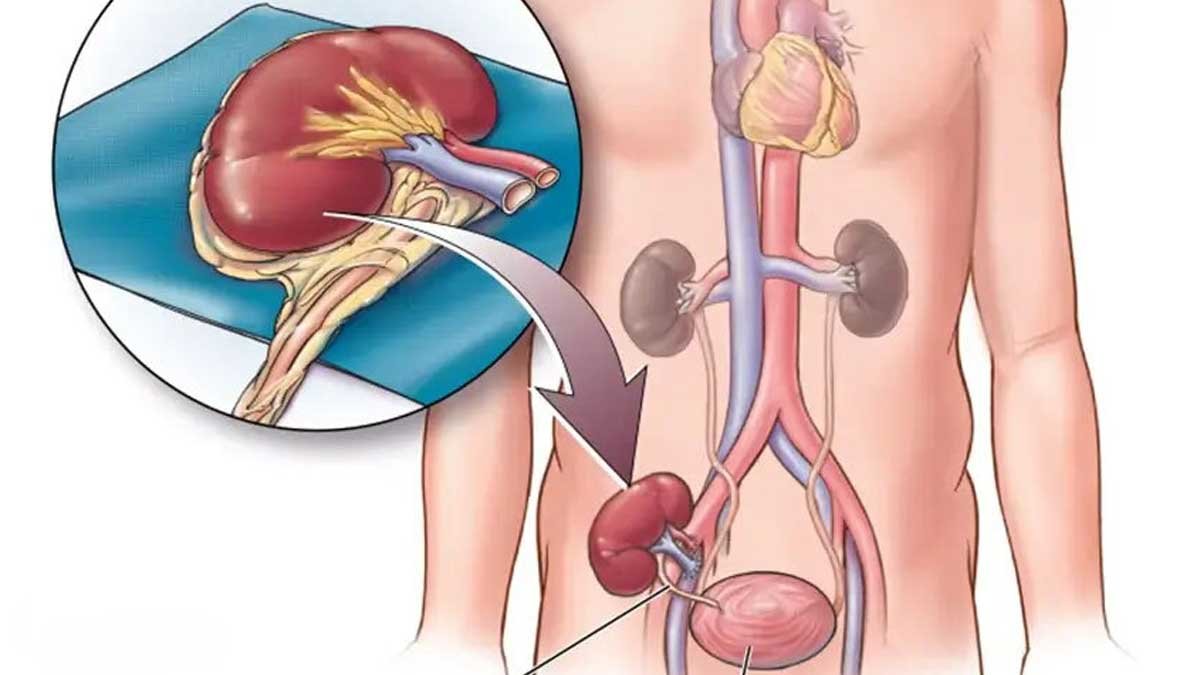
A kidney transplant is a surgical procedure to place a healthy kidney from a donor into a person whose kidneys no longer function properly. It is often considered the preferred treatment for end-stage renal disease (ESRD) or chronic kidney disease, offering a higher quality of life and greater freedom compared to lifetime dialysis.1. When is a Kidney Transplant Needed?Kidney transplants are typically evaluated when chronic kidney disease progresses to end-stage failure. Common causes include:Diabetes mellitus (the leading cause)Chronic, uncontrolled high blood pressure (hypertension)Glomerulonephritis (inflammation of the kidney's filtering units)Polycystic kidney disease (PKD)2. Types of DonorsLiving Donor: A healthy living individual (often a family member, spouse, or compatible volunteer) donates one of their kidneys. Because humans can live healthy lives with a single functioning kidney, living donation is highly successful and typically results in longer organ longevity (averaging 12 to 20 years).Deceased Donor: A kidney is provided from an individual who has suffered brain death, with consent given by their family or through an organ registry. Deceased donor kidneys generally last about 8 to 12 years.3. The Procedure and PlacementThe Surgery: During the operation, the surgeon usually places the new kidney in the lower abdomen (rather than the back where original kidneys sit) and connects its blood vessels and ureter to your blood vessels and bladder.Old Kidneys: In most cases, native diseased kidneys are left in place unless they are causing complications such as severe infections, high blood pressure, or pain.Hospital Stay: Patients typically spend about 3 days in the hospital for close monitoring. The new kidney may start producing urine immediately, though temporary dialysis is occasionally needed for a few days if the organ takes time to "wake up".4. Outlook and Success RatesModern advancements in medicine have made kidney transplants exceptionally successful:Survival Rates: The one-year survival rate for a transplanted kidney is approximately 95%, with a five-year survival rate of around 90%.Quality of Life: Compared to dialysis, recipients generally enjoy fewer dietary and fluid restrictions, higher energy levels, and a significantly lower risk of long-term mortality.5. Post-Transplant CareImmunosuppressants: Transplant recipients must take anti-rejection medications for the rest of their lives to suppress the immune system and prevent it from attacking the new organ.Monitoring & Lifestyle: Regular checkups, ongoing blood tests, and vigilance against infections are essential to protect both the kidney and overall health.

Single Lung Transplant
Organ Transplant

Single Lung Transplant

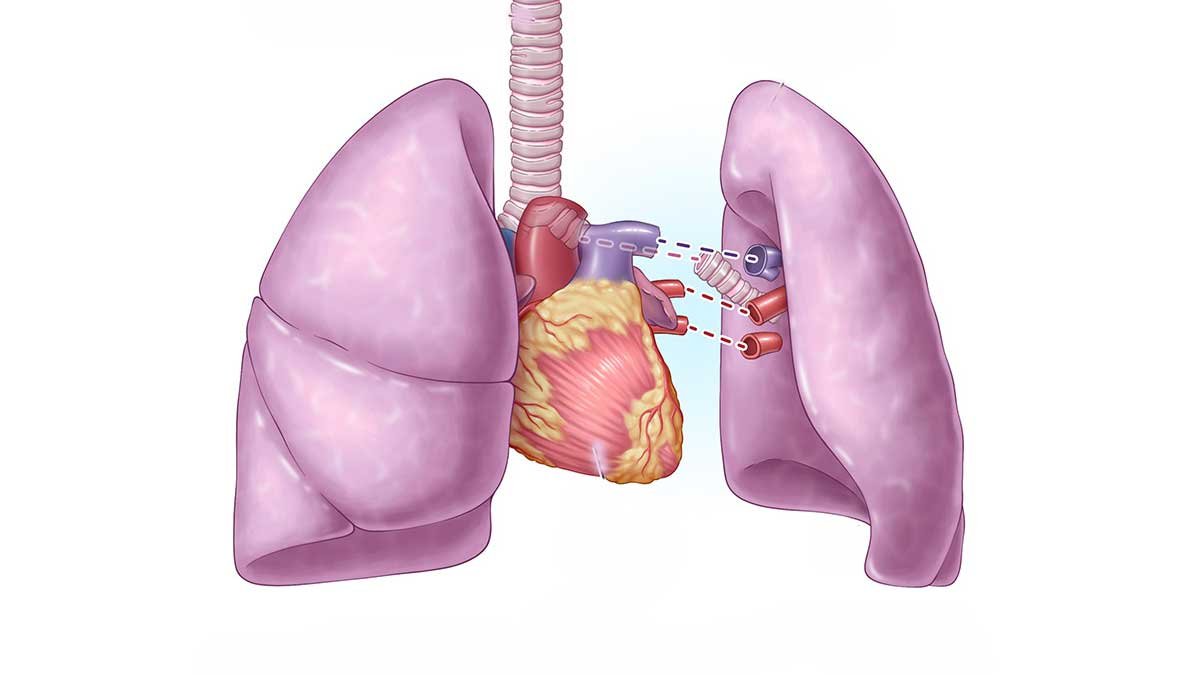
A single lung transplant is a surgical procedure in which a patient with severe, end-stage lung disease has one of their failing lungs replaced with a healthy lung from a deceased or living donor. While double lung transplants are performed for certain conditions (like cystic fibrosis), a single lung transplant is often sufficient for older patients or those with specific non-infectious restrictive or obstructive lung diseases.1. When is a Single Lung Transplant Needed?It is typically evaluated when chronic lung diseases progress to the point where oxygen therapy and medications no longer maintain adequate quality of life or life expectancy. Common indications include:Idiopathic Pulmonary Fibrosis (IPF): Scarring of the lung tissue of unknown cause.Chronic Obstructive Pulmonary Disease (COPD) / Emphysema: Severe airflow limitation, often linked to smoking or alpha-1 antitrypsin deficiency.Alpha-1 Antitrypsin Deficiency: A genetic condition leading to lung and liver damage.2. Types of DonorsDeceased Donor: The vast majority of lung transplants utilize organs from individuals who have suffered brain death and whose families have consented to donation, or through donation after circulatory death (DCD).Living Donor: In rare specialized cases, a portion of a lung from two living donors can be transplanted, though single lung transplants predominantly rely on deceased donors.3. The Procedure and RecoveryThe Surgery: The operation typically takes between 4 to 8 hours. The surgeon makes an incision in the chest (thoracotomy or clamshell incision), removes the diseased lung, and carefully connects the new lung's bronchus, pulmonary artery, and pulmonary veins.Hospital Stay: Patients generally spend several days in the Intensive Care Unit (ICU) connected to a ventilator initially, followed by moving to a specialized step-down unit. The total hospital stay usually ranges from 2 to 4 weeks.Initial Recovery: Regaining strength, breathing exercises, and cardiac/pulmonary rehabilitation at home typically span the first 3 to 6 months.4. Outlook and Success RatesSurvival Rates: The one-year survival rate following a lung transplant is roughly 80% to 85%, while the five-year survival rate generally ranges between 50% and 60%.Quality of Life: Recipients often experience a dramatic improvement in breathing capacity, exercise tolerance, and daily energy levels compared to their pre-transplant state.5. Post-Transplant CareImmunosuppressants: Patients must take anti-rejection medications for the rest of their lives to prevent the immune system from attacking the new lung tissue.Monitoring & Surveillance: Frequent clinic visits, routine chest X-rays, blood tests, and regular breathing tests (spirometry) are mandatory to monitor for signs of rejection or infection.

Double (Bilateral) Lung Transplant
Organ Transplant

Double (Bilateral) Lung Transplant

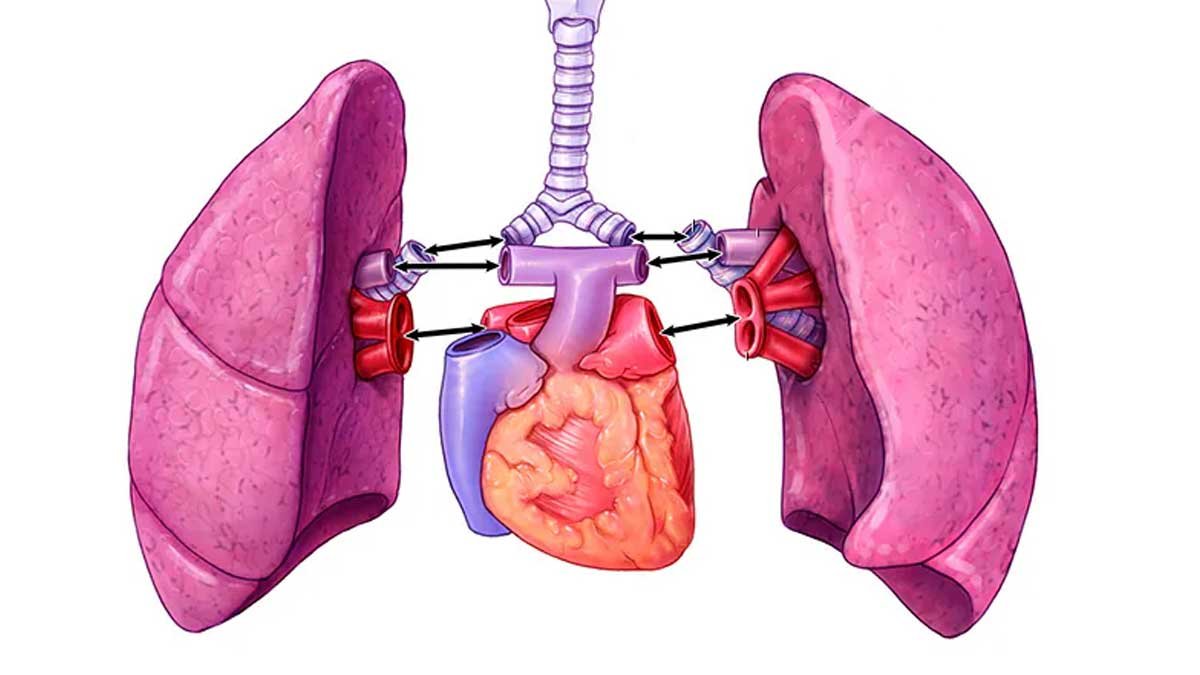
A double (bilateral) lung transplant is a complex surgical procedure in which both failing lungs are replaced with healthy lungs from a deceased (or, in rare cases, living) donor. It is typically performed for patients with severe, end-stage respiratory diseases where a single lung transplant is insufficient—such as in cases of cystic fibrosis, severe bronchiectasis, or certain types of pulmonary hypertension and advanced COPD.1. The Surgical ApproachBilateral Sequential Procedure: Most modern centers perform a bilateral sequential transplant, meaning surgeons operate on one side at a time. They will replace one lung, ensure it is functioning and stable, and then proceed to replace the second lung.The Incision: Access to both lungs usually requires a "clamshell" incision (a horizontal cut across the chest underneath the breasts) or a median sternotomy, allowing the surgical team full view of both chest cavities and the heart.2. Outlook and Success RatesSurvival Rates: One-year survival rates following a double lung transplant generally range between 80% and 90%, with five-year survival rates typically falling around 55% to 65%.Long-Term Benefits: For many patients, a bilateral transplant provides greater overall lung capacity and better long-term functional stamina compared to a single lung transplant, especially for younger patients or those with chronic infections (since leaving a diseased native lung behind could seed infections into the new organ).3. Post-Transplant ManagementLifelong Immunosuppression: Recipients must take anti-rejection medications daily for the rest of their lives to prevent the immune system from attacking the donor tissues.Rigorous Follow-Up: Frequent breathing tests (spirometry), routine monitoring for infections or chronic rejection (bronchiolitis obliterans syndrome), and participation in pulmonary rehabilitation are vital components of recovery.

Heart Transplant
Organ Transplant

Heart Transplant

A heart transplant is a major surgical procedure in which a failing, diseased heart is replaced with a healthier donor heart. It is typically considered a life-saving option for individuals with end-stage heart failure who no longer respond adequately to medications, lifestyle changes, or other surgical interventions.1. When is a Heart Transplant Needed?Common conditions that can lead to end-stage heart failure and the need for a transplant include:Cardiomyopathy: Disease of the heart muscle that makes it hard for the heart to pump blood effectively.Coronary Artery Disease: Severe blockages in the coronary arteries leading to extensive heart muscle damage (previous heart attacks).Congenital Heart Defects: Complex structural heart problems present from birth.Valvular Heart Disease: Severe disease or failure of the heart valves leading to heart muscle strain.2. Types of Donors and InnovationDeceased Donors: Traditionally, donor hearts come from individuals who have suffered brain death, with consent from their families.Donation After Circulatory Death (DCD) & Organ Care Systems: Advanced preservation techniques and "heart-in-a-box" perfusion machines have increasingly allowed medical teams to successfully reanimate and transplant hearts from donors after circulatory death, expanding the pool of available organs.Xenotransplantation & Artificial Hearts: Ongoing clinical research and pioneering trials are exploring mechanical circulatory support devices (like LVADs) as long-term solutions or bridges to transplant, alongside experimental xenotransplantation (using genetically modified animal organs).3. The Procedure and RecoveryThe Surgery: The operation typically takes between 4 to 6 hours (or longer if previous chest surgeries complicate access). The patient is placed on a heart-lung bypass machine, the diseased heart is removed, and the donor heart is carefully stitched into place.Hospital Stay: Patients generally spend 1 to 2 weeks recovering in the hospital, starting in the intensive care unit (ICU) for close monitoring of heart function and vital signs.Rehabilitation: Cardiac rehabilitation programs involving gradual physical re-conditioning and monitored exercise play a critical role in early recovery.4. Outlook and Success RatesSurvival Rates: The one-year survival rate following a heart transplant is roughly 85% to 90%, and the five-year survival rate generally ranges between 70% and 75%.Quality of Life: Most successful recipients experience a profound improvement in energy, daily functioning, and overall life expectancy compared to living with advanced end-stage heart failure.5. Post-Transplant CareLifelong Immunosuppressants: Anti-rejection drugs must be taken daily and adjusted carefully for the rest of the patient's life to keep the immune system from attacking the new organ.Rigorous Monitoring: Frequent follow-up appointments, routine blood work, echocardiograms, and periodic heart biopsies are mandatory to monitor for signs of rejection, infection, or transplant coronary vasculopathy.

OUR SPECIALISTS

Top Specialists in Organ Transplant

View All Doctors
Director, Liver Transplant, Hepato-Pancreato-Biliary Surgery

Dr. Vivek Vij

MBBS MS MRCS (Ed.) DNB
18 Yrs Experience
Fortis Memorial Research Institute, Gurugram
★★★★★ 4.8
View Profile & Book
WHERE TO GET TREATED

Accredited Hospitals for Organ Transplant

View All Hospitals

Amrita Hospital

Leading multi-specialty healthcare services in India.

Faridabad, Haryana Est:
JCINABHNABL
View Hospital Details

Apollo Hospitals

Leading multi-specialty healthcare services in India.

Gurugram, Haryana Est: 2026
NABH
View Hospital Details

Fortis Escorts Heart Institute

Focused Cardiac Expertise, Thoughtful Care and Advanced Treatment for Every Heart Journey

Delhi, Delhi NCR Est: 1988
NABH
View Hospital Details
Specialty Patient recovery
SUCCESS STORY

Real Recovery.
Real Hope.

"
★★★★★

Coming from Kenya to seek medical treatment in India was a daunting step. But the team at AthelCare supported us at every single moment—from visa documentation, airport pickup, hospital appointments, to recovering comfortably. The cost was extremely affordable and the surgical outcome was absolutely successful. Highly recommended!

JM
Joseph Mwangi 🇰🇪 Kenya — Patient Recovery Success Treated at Apollo Hospitals, New Delhi
FAQ

Common Questions

Get Free Consultation
How do I request a cost estimate or medical opinion?
Simply upload your diagnostic reports and medical summary using our contact form. Our specialized clinical team will review them and send you a detailed treatment proposal and pricing quote within 24-48 hours.
How long will I need to stay in India for treatment?
This varies depending on the severity of the condition and surgical requirements. Minor surgeries require 1-2 weeks of stay, while major surgeries or transplants require 4-8 weeks.
Are clinical results and facilities comparable to USA/UK?
Yes. India's top super-specialty hospitals are NABH & JCI accredited. They leverage state-of-the-art diagnostic equipment, robotic-assisted surgical platforms, and are staffed by highly qualified, fellowship-trained experts.
YOUR HEALTH IS OUR PRIORITY

Take the first step toward
a healthier life.