info@aethelcare.com +91 97959 65791 24/7 International Support
CARDIAC

Cardiac Surgery in India

AethelCare Provide Top Specialist Doctors And Best Hospitals For Your Medical HealthCare.
OVERVIEW

Cardiac Surgery? Best Cardiac Surgeons & Cardiac Surgery Hospitals in India

Looking for cardiac surgery in India? AethelCare helps international patients connect with experienced cardiac surgeons and reputed hospitals offering specialised heart care and advanced surgical treatment.

Explore our carefully selected network of cardiac surgeons and cardiac surgery hospitals in India, based on their expertise, clinical experience, treatment facilities, and areas of specialisation.

Your heart-care journey in India starts with the right specialist and the right guidance.
World-Class InfrastructureNABH/JCI accredited centers with global standards
Up to 80% SavingsDramatically lower cost than USA, UK, or Australia
Expert SpecialistsInternationally trained & board-certified specialists
Priority CareImmediate scheduler booking with zero waiting list

Specialist Doctor in India
500+ Top Specialists 20+ JCI & NABH Accredited Hospitals
SPECIALIZED CONDITIONS & PROCEDURES

Explore Cardiac Surgery Sub Categories

Explore dedicated sub-specialties with expert doctors, accredited hospital centers, and tailored treatment plans in India.

31 Sub Specialties Get Treatment Opinion
Coronary Artery Bypass Graft (CABG) Surgery
Cardiac Surgery

Coronary Artery Bypass Graft (CABG) Surgery

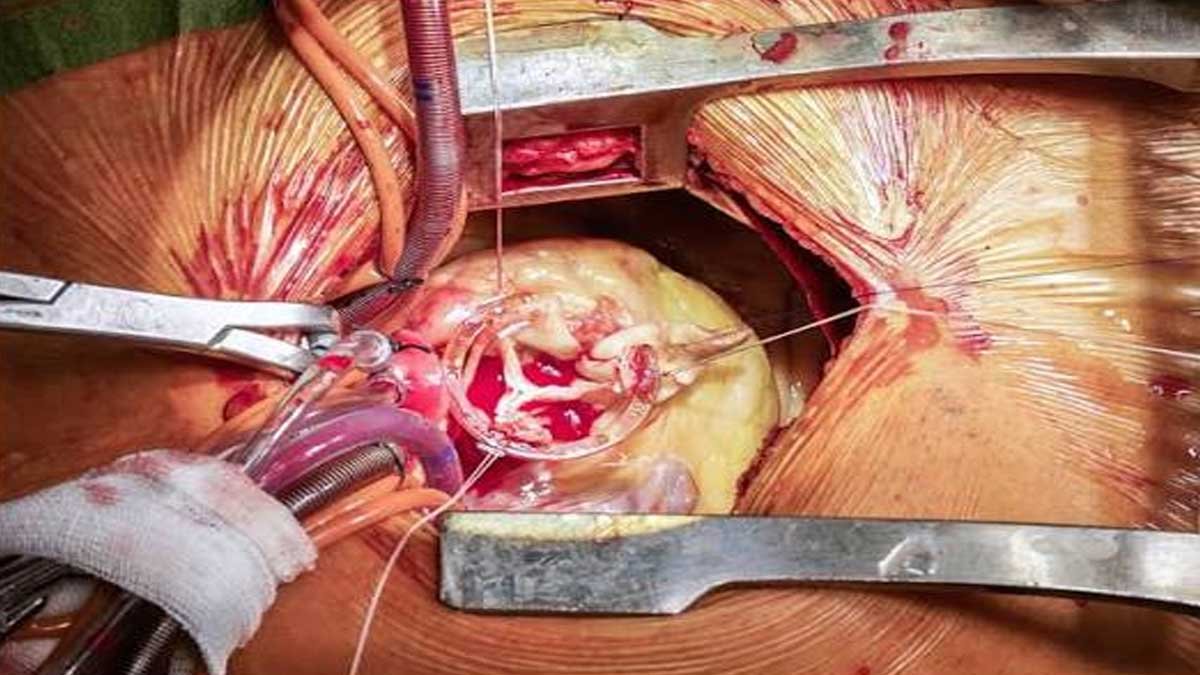
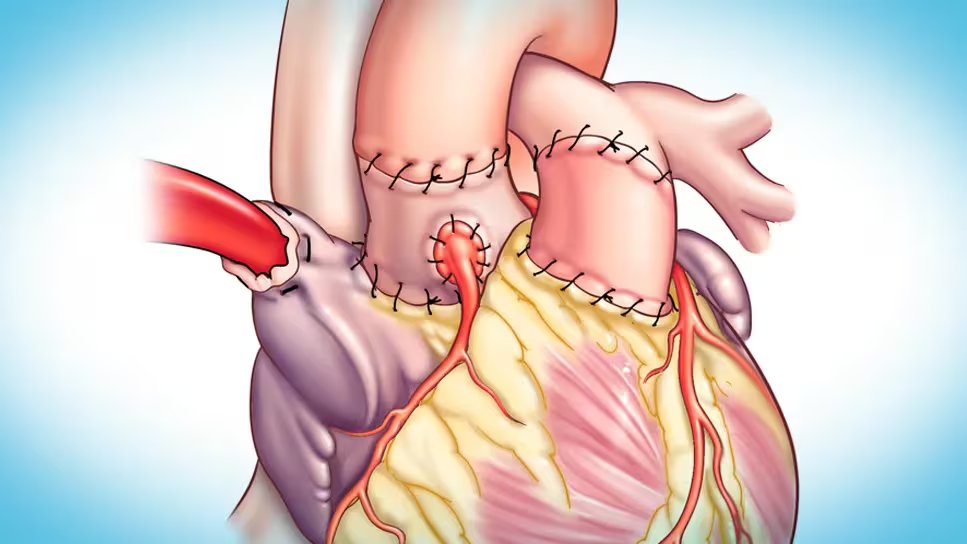
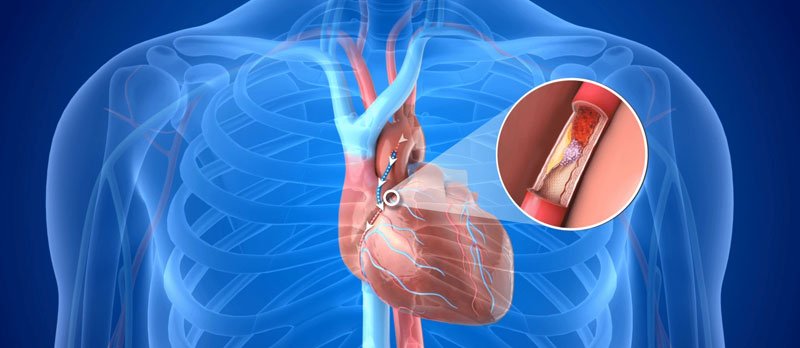
Coronary Artery Bypass Graft (CABG) Surgery is a specialized cardiac procedure designed to improve blood flow to the heart when the coronary arteries become narrowed or blocked due to coronary artery disease. During the surgery, a healthy blood vessel taken from another part of the body, such as the chest, leg, or arm, is used to create a new pathway for blood to flow around the blocked or narrowed artery, helping restore an adequate supply of oxygen-rich blood to the heart muscle.CABG surgery is commonly recommended for patients with severe coronary artery disease, multiple blocked arteries, significant narrowing of the left main coronary artery, or symptoms that cannot be adequately controlled with medication or other treatments. The procedure may help relieve chest pain (angina), improve exercise tolerance and quality of life, and, in selected patients, improve long-term survival.The surgery is performed by an experienced cardiac surgical team under general anesthesia. Depending on the patient's condition, it may be carried out using a heart-lung machine while the heart is temporarily stopped or through selected techniques performed on a beating heart. The most appropriate approach is determined by the patient's overall health, the severity of the disease, and the complexity of the blocked arteries.Following surgery, patients receive close monitoring, cardiac rehabilitation, medication, and guidance on lifestyle changes to support recovery and long-term heart health. Although CABG is a major surgical procedure, careful evaluation, expert surgical care, and regular follow-up can help improve outcomes and reduce the risk of future cardiac complications.

Heart Valve Repair Surgery
Cardiac Surgery

Heart Valve Repair Surgery

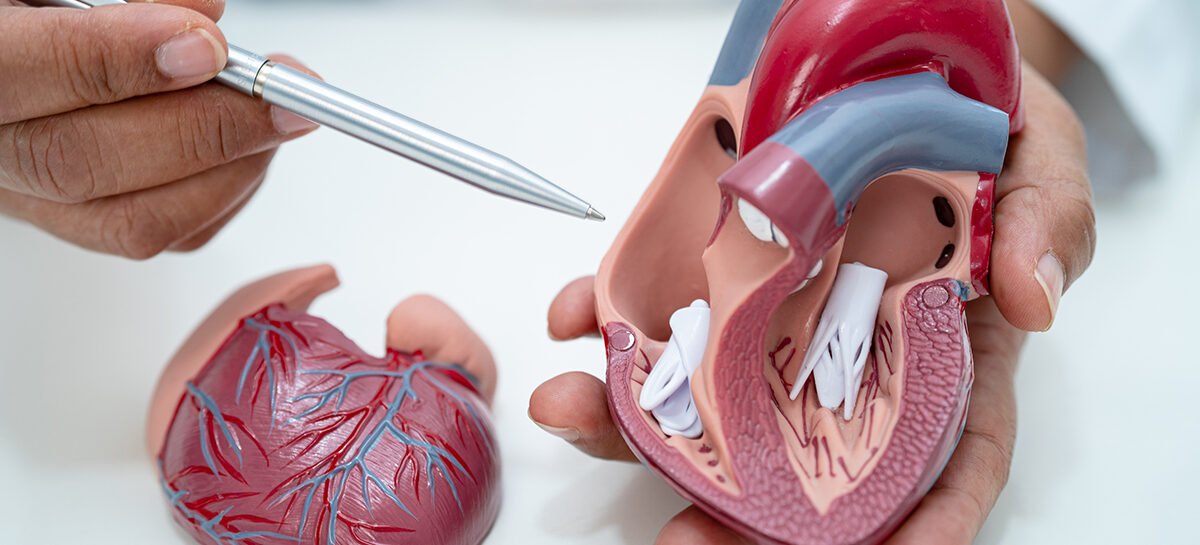
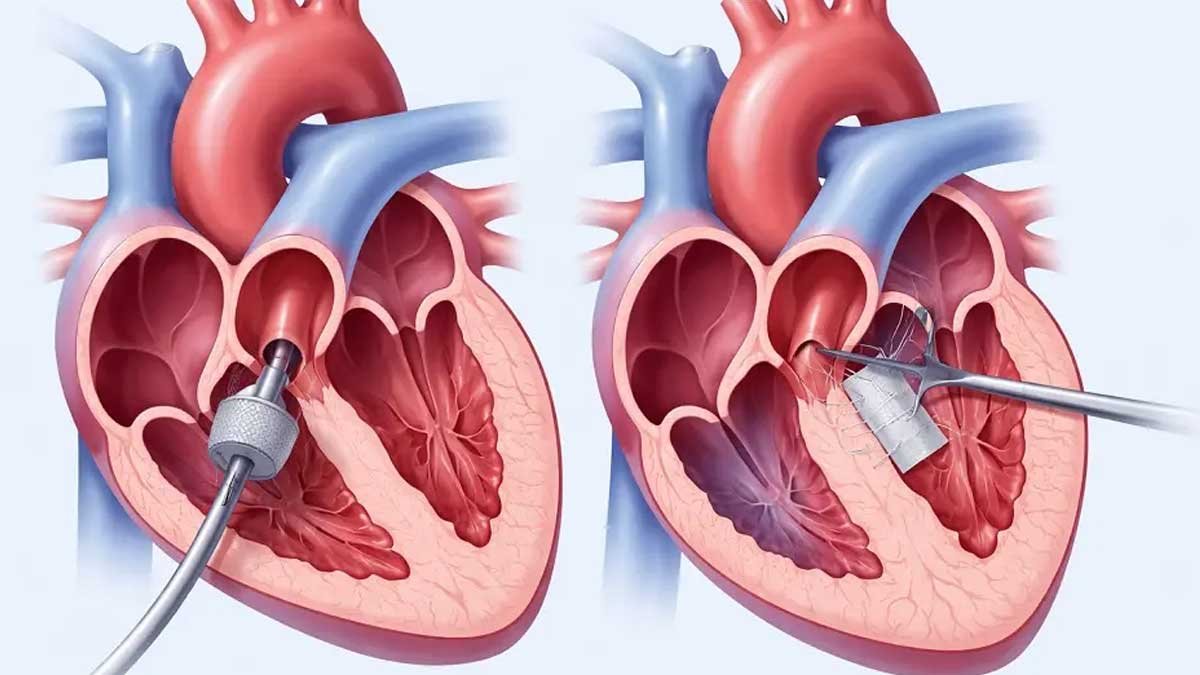
Heart Valve Repair Surgery is a specialized cardiac procedure designed to correct problems with one or more of the heart's valves, helping restore normal blood flow and improve overall heart function. The heart has four valves that regulate blood circulation, ensuring blood flows in the correct direction. When a valve becomes narrowed (stenosis) or fails to close properly (regurgitation), it can place extra strain on the heart and lead to symptoms such as breathlessness, fatigue, chest discomfort, dizziness, and swelling in the legs.Heart valve repair surgery aims to preserve the patient's natural valve while correcting the underlying problem. Depending on the type and severity of the valve condition, the surgeon may reshape the valve, repair its supporting structures, or use a specialized ring to strengthen the valve and improve its function. Whenever appropriate, repairing the existing valve may help preserve natural heart function and avoid the need for a replacement valve.The procedure is performed by an experienced cardiac surgical team under general anesthesia. The surgical approach depends on the affected valve, the patient's overall health, and the complexity of the condition. In selected cases, minimally invasive techniques may be used to reduce surgical trauma and support recovery.After surgery, patients receive careful monitoring, prescribed medications when needed, and guidance on physical activity, nutrition, and follow-up appointments. Regular cardiac evaluations help assess valve function and support long-term recovery.

Aortic Valve Replacement (AVR)
Cardiac Surgery

Aortic Valve Replacement (AVR)

Aortic Valve Replacement (AVR) is a specialized cardiac surgery performed to replace a damaged or diseased aortic valve that cannot open or close properly. The procedure helps restore normal blood flow from the heart to the rest of the body and reduces the strain on the heart. Depending on the patient's condition, the surgeon may use a mechanical or biological valve. AVR is commonly recommended for conditions such as severe aortic stenosis or aortic valve regurgitation. With advanced surgical techniques, expert cardiac care, and proper post-operative monitoring, AVR can help relieve symptoms such as chest pain, breathlessness, dizziness, and fatigue, while improving heart function and overall quality of life.

Mitral Valve Repair
Cardiac Surgery

Mitral Valve Repair

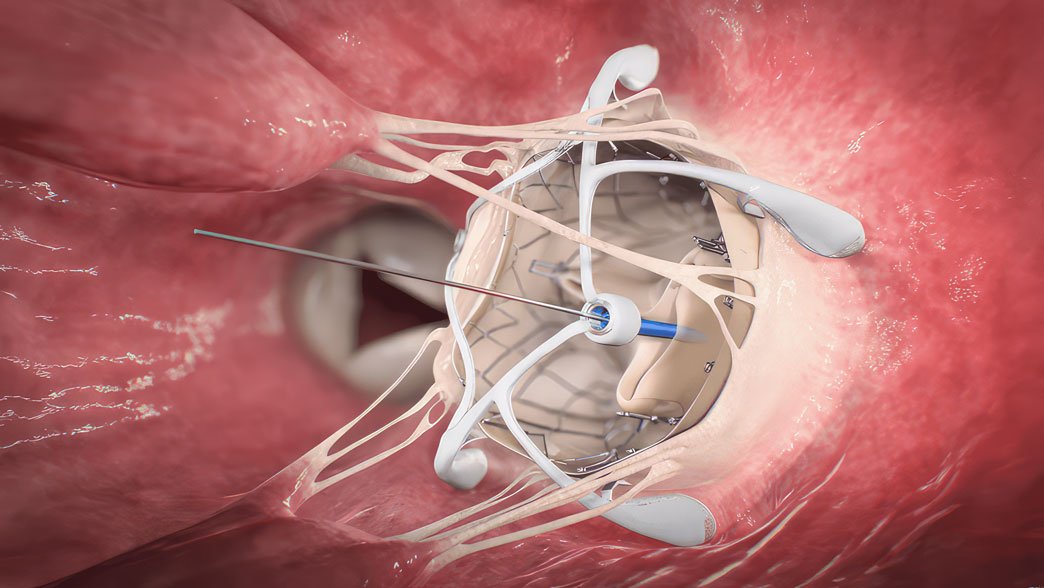
Mitral Valve Repair is an advanced cardiac procedure performed to correct a damaged or malfunctioning mitral valve, which regulates blood flow between the left atrium and left ventricle of the heart. The surgery aims to restore the valve's normal function, prevent blood from flowing backward, and improve the heart's overall efficiency while preserving the patient's natural valve whenever possible. Depending on the condition, the surgeon may reshape the valve, repair its leaflets, or strengthen the supporting structures. Mitral valve repair can help reduce symptoms such as breathlessness, fatigue, and reduced exercise tolerance. With expert cardiac care, modern surgical techniques, and appropriate post-operative follow-up, the procedure can support better heart function and an improved quality of life.

Mitral Valve Replacement
Cardiac Surgery

Mitral Valve Replacement

Mitral Valve Replacement is an advanced cardiac surgical procedure performed to replace a damaged or diseased mitral valve that cannot function properly. The mitral valve controls blood flow between the left atrium and left ventricle of the heart. When the valve becomes severely narrowed or leaky, it can affect blood circulation and place extra strain on the heart. During the procedure, the damaged valve is replaced with a mechanical or biological valve, depending on the patient's condition and medical needs. Mitral Valve Replacement can help improve blood flow, reduce symptoms such as breathlessness, fatigue, and weakness, and support better heart function. With experienced cardiac surgeons, modern surgical techniques, and appropriate post-operative care, the procedure can help improve quality of life and long-term heart health.

Tricuspid Valve Repair
Cardiac Surgery

Tricuspid Valve Repair

Tricuspid Valve Repair is a specialized cardiac procedure performed to correct a damaged or malfunctioning tricuspid valve, which regulates blood flow between the right atrium and right ventricle of the heart. When the valve does not close properly, blood may flow backward, causing strain on the heart and potentially leading to symptoms such as fatigue, swelling in the legs or abdomen, and reduced exercise tolerance. The procedure aims to restore the valve's normal function while preserving the patient's natural valve whenever possible. Depending on the condition, the surgeon may reshape the valve, repair its leaflets, or tighten the valve ring to improve closure. With advanced surgical techniques, experienced cardiac specialists, and appropriate post-operative care, Tricuspid Valve Repair can help improve blood circulation, support heart function, and enhance overall quality of life.

Tricuspid Valve Replacement
Cardiac Surgery

Tricuspid Valve Replacement

Tricuspid Valve Replacement is a specialized cardiac surgical procedure performed to replace a severely damaged or diseased tricuspid valve that cannot function properly. The tricuspid valve regulates blood flow between the right atrium and right ventricle, helping ensure proper circulation through the heart. When the valve becomes severely narrowed or fails to close correctly, it can cause backward blood flow, swelling in the legs or abdomen, fatigue, and other symptoms related to poor circulation. During the procedure, the damaged valve is replaced with a suitable mechanical or biological valve, depending on the patient's medical condition and individual needs. With advanced surgical techniques, experienced cardiac surgeons, and appropriate post-operative care, Tricuspid Valve Replacement can help improve blood circulation, support heart function, relieve symptoms, and enhance overall quality of life.

Pulmonary Valve Repair
Cardiac Surgery

Pulmonary Valve Repair

Pulmonary Valve Repair is a specialized cardiac procedure performed to correct a damaged or malfunctioning pulmonary valve, which controls blood flow from the right ventricle of the heart to the pulmonary artery and lungs. When the valve does not open or close properly, it can affect blood circulation and place additional strain on the heart. The procedure aims to restore normal valve function while preserving the patient's natural valve whenever possible. Depending on the condition, the surgeon may reshape the valve leaflets, separate fused leaflets, or repair the valve structure to improve blood flow. Pulmonary Valve Repair may be recommended for certain congenital heart defects, pulmonary valve stenosis, or valve regurgitation. With advanced surgical techniques, expert cardiac care, and appropriate post-operative monitoring, the procedure can help improve circulation, support heart function, and enhance overall quality of life.

Pulmonary Valve Replacement
Cardiac Surgery

Pulmonary Valve Replacement

Pulmonary Valve Replacement is a specialized cardiac surgical procedure performed to replace a damaged or diseased pulmonary valve that cannot function effectively. The pulmonary valve regulates blood flow from the right ventricle of the heart to the pulmonary artery, allowing blood to travel to the lungs for oxygenation. When the valve becomes narrowed or fails to close properly, it can affect circulation and place additional strain on the heart. During the procedure, the damaged valve is replaced with a suitable artificial or biological valve, depending on the patient's condition and medical requirements. Pulmonary Valve Replacement may be recommended for severe pulmonary valve stenosis, pulmonary regurgitation, or certain congenital heart conditions. With advanced surgical techniques, experienced cardiac specialists, and appropriate post-operative care, the procedure can help improve blood flow, support heart function, relieve symptoms, and enhance overall quality of life.

Aortic Root Surgery
Cardiac Surgery

Aortic Root Surgery

Aortic Root Surgery is a specialized cardiac procedure performed to treat diseases or abnormalities affecting the aortic root, the section of the aorta connected to the heart that supports the aortic valve and carries oxygen-rich blood to the body. The surgery may be recommended for conditions such as an aortic root aneurysm, enlargement of the aortic root, or certain aortic valve disorders that increase the risk of serious complications. Depending on the patient's condition, the procedure may involve replacing the enlarged aortic root, repairing the aorta, or preserving or replacing the aortic valve. Advanced surgical techniques and careful pre-operative assessment help specialists develop an appropriate treatment plan. With expert cardiac care and proper post-operative monitoring, Aortic Root Surgery aims to reduce the risk of aortic complications, maintain healthy blood circulation, and support long-term heart health.

Aortic Aneurysm Repair
Cardiac Surgery

Aortic Aneurysm Repair

Aortic Aneurysm Repair is a specialized surgical procedure used to treat an aneurysm, which occurs when a weakened section of the aorta bulges or enlarges. The procedure aims to prevent the aneurysm from rupturing and reduce the risk of life-threatening complications. Depending on the aneurysm’s size, location, and the patient’s overall health, treatment may involve traditional open surgery or a minimally invasive endovascular approach (EVAR or TEVAR). The goal is to restore the integrity of the aorta, maintain proper blood flow, and improve long-term cardiovascular health. Regular monitoring and follow-up care are essential for optimal recovery and lasting outcomes.

Congenital Heart Defect Surgery
Cardiac Surgery

Congenital Heart Defect Surgery

Congenital Heart Defect Surgery involves specialized surgical procedures to correct structural abnormalities of the heart that are present from birth. These defects may affect the heart's walls, valves, or major blood vessels, potentially interfering with normal blood flow and heart function. Depending on the type and severity of the defect, treatment may involve repairing heart openings, correcting abnormal blood vessels, or reconstructing heart structures. The surgical approach is tailored to the patient's age, condition, and specific heart defect. The primary goal is to improve blood circulation, support healthy heart function, reduce symptoms, and enhance quality of life. Regular follow-up care is important to monitor recovery and long-term heart health.

Atrial Septal Defect (ASD) Repair
Cardiac Surgery

Atrial Septal Defect (ASD) Repair

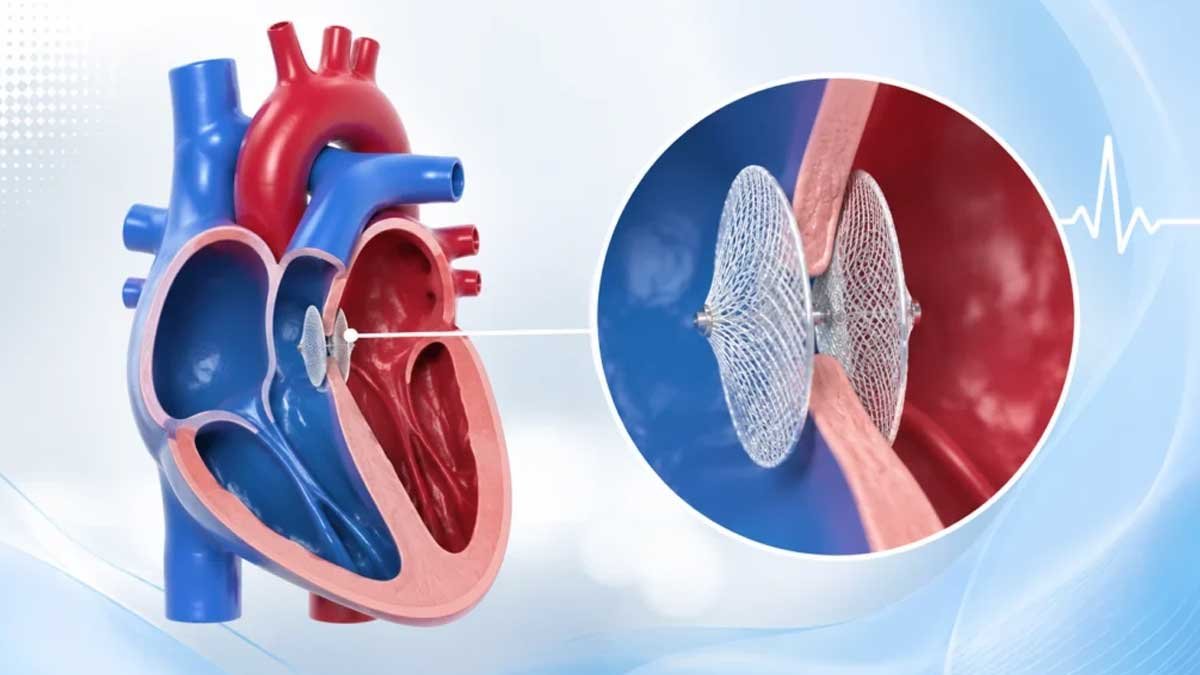
Atrial Septal Defect (ASD) Repair is a procedure used to close an abnormal opening between the heart’s two upper chambers (atria). This defect may cause excess blood flow to the lungs and put additional strain on the heart. Depending on the size and location of the defect, treatment may involve catheter-based device closure or open-heart surgery. The primary goal is to restore normal blood circulation, reduce strain on the heart, and help prevent long-term complications. Regular follow-up care helps monitor recovery and maintain long-term heart health.

Ventricular Septal Defect (VSD) Repair
Cardiac Surgery

Ventricular Septal Defect (VSD) Repair

Ventricular Septal Defect (VSD) Repair is a specialized procedure used to close an abnormal opening in the wall separating the heart’s two lower chambers (ventricles). This defect can cause abnormal blood flow between the ventricles, potentially increasing the workload of the heart and affecting lung circulation. Depending on the size and location of the defect, treatment may involve open-heart surgery or a catheter-based procedure in selected cases. The primary goal is to improve blood circulation, reduce strain on the heart, and help prevent complications. Regular follow-up care is essential to monitor recovery and support long-term heart health.

Tetralogy of Fallot Repair
Cardiac Surgery

Tetralogy of Fallot Repair

Tetralogy of Fallot Repair is a specialized open-heart surgery performed to correct four structural heart defects present from birth that affect normal blood flow and reduce oxygen levels in the body. The procedure typically involves closing the ventricular septal defect, relieving obstruction to blood flow from the right ventricle to the lungs, and addressing related structural abnormalities. The primary goal is to improve oxygen circulation, reduce symptoms such as cyanosis (bluish skin), and support better heart function and overall quality of life. Regular follow-up care is essential to monitor recovery and long-term heart health.

Coarctation of Aorta Repair
Cardiac Surgery

Coarctation of Aorta Repair

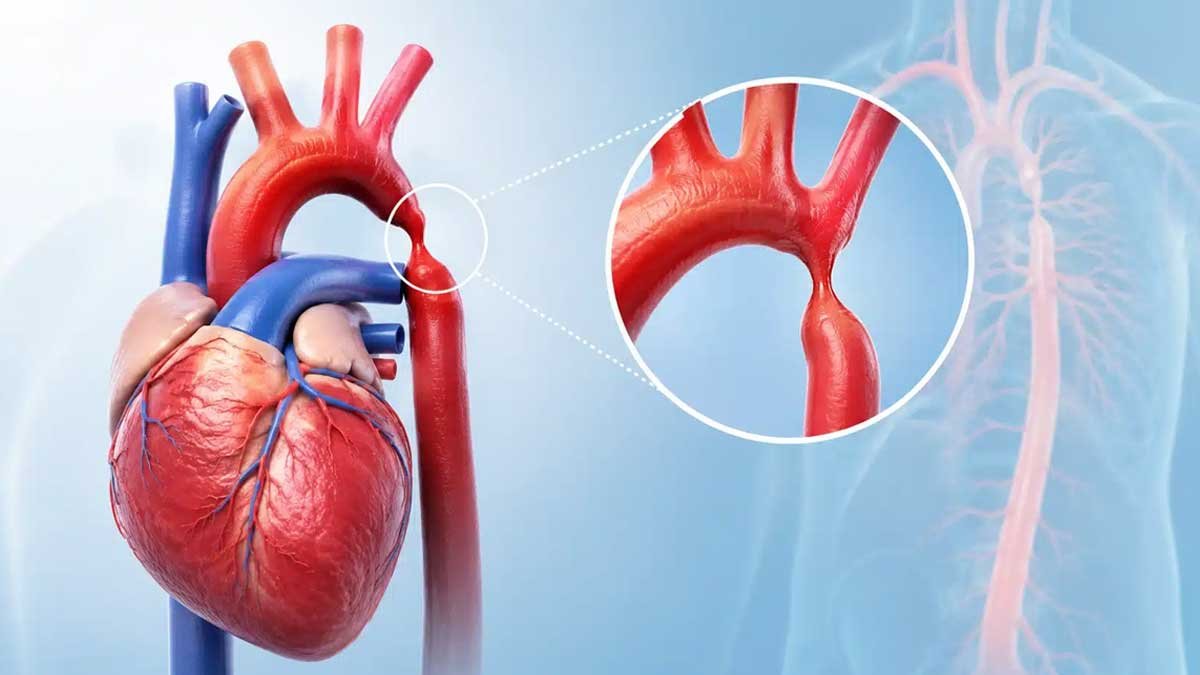
Coarctation of Aorta Repair is a specialized procedure used to correct a narrowing of the aorta, the main artery that carries oxygen-rich blood from the heart to the body. This condition can restrict blood flow and cause high blood pressure, particularly in the upper body. Depending on the location and severity of the narrowing, treatment may involve surgical repair, removal of the narrowed section, or balloon angioplasty with stent placement. The primary goal is to restore normal blood flow, reduce pressure on the heart, and help prevent long-term cardiovascular complications. Regular follow-up care is essential to monitor blood pressure and overall heart health.

Patent Ductus Arteriosus (PDA) Closure
Cardiac Surgery

Patent Ductus Arteriosus (PDA) Closure

Patent Ductus Arteriosus (PDA) Closure is a procedure used to close an abnormal blood vessel connection between the aorta and the pulmonary artery that remains open after birth. This condition can cause excess blood flow to the lungs and place additional strain on the heart. Depending on the patient's age, size, and condition, closure may be performed using a catheter-based device or surgical techniques. The primary goal is to restore normal blood circulation, reduce the workload on the heart, and help prevent potential complications. Regular follow-up care helps ensure successful recovery and long-term cardiovascular health.

Maze Procedure
Cardiac Surgery

Maze Procedure

The Maze Procedure is a specialized surgical treatment used to manage atrial fibrillation (AFib), a heart rhythm disorder that causes an irregular and often rapid heartbeat. During the procedure, the surgeon creates a pattern of carefully placed scars in the heart's upper chambers to block abnormal electrical signals and help restore a normal heart rhythm. It may be performed during open-heart surgery or as part of another cardiac procedure, depending on the patient's condition. The primary goal is to improve heart rhythm, reduce symptoms such as palpitations and fatigue, and support better heart function. Regular follow-up care is important to monitor heart rhythm and evaluate long-term treatment outcomes.

Surgical Cardiac Ablation
Cardiac Surgery

Surgical Cardiac Ablation

Surgical Cardiac Ablation is a specialized procedure used to treat abnormal heart rhythms (arrhythmias) by creating small, controlled areas of scar tissue in the heart. These scars block abnormal electrical signals that interfere with the heart’s normal rhythm. The procedure may be performed as a standalone treatment or alongside other cardiac surgeries, depending on the patient’s condition. The primary goal is to restore a more regular heartbeat, reduce symptoms such as palpitations and dizziness, and improve overall heart function. Regular follow-up care helps monitor heart rhythm and evaluate long-term treatment outcomes.

Heart Transplant Surger
Cardiac Surgery

Heart Transplant Surger

Heart Transplant Surgery is a complex surgical procedure in which a diseased or failing heart is replaced with a healthy donor heart. It is generally recommended for patients with advanced heart failure when other treatments are no longer effective. The procedure involves removing the damaged heart and connecting the donor heart to the major blood vessels to restore normal blood circulation. After surgery, patients require lifelong medical supervision and immunosuppressive medications to help prevent organ rejection. The primary goal is to improve heart function, relieve symptoms, enhance quality of life, and increase long-term survival. Regular follow-up care is essential to monitor recovery and maintain the health of the transplanted heart.

Ventricular Assist Device (VAD) Implantation
Cardiac Surgery

Ventricular Assist Device (VAD) Implantation

Ventricular Assist Device (VAD) Implantation is a specialized surgical procedure in which a mechanical pump is implanted to help the heart circulate blood throughout the body. It is commonly used for patients with advanced heart failure when the heart cannot pump blood effectively on its own. The device may support the left ventricle (LVAD), right ventricle (RVAD), or both ventricles, depending on the patient's condition. A VAD may serve as a bridge to heart transplantation or as a long-term treatment option for selected patients. The primary goal is to improve blood circulation, reduce heart failure symptoms, and enhance quality of life. Regular medical follow-up and device monitoring are essential for safe, long-term management.

Pacemaker Implantation
Cardiac Surgery

Pacemaker Implantation

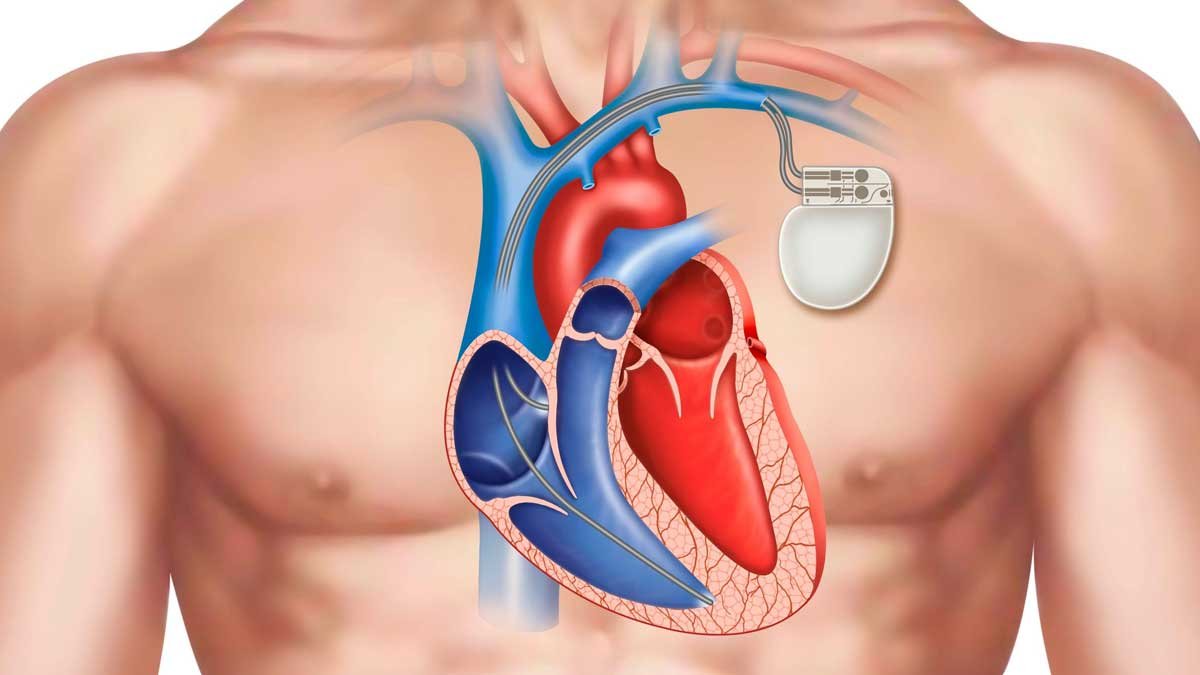
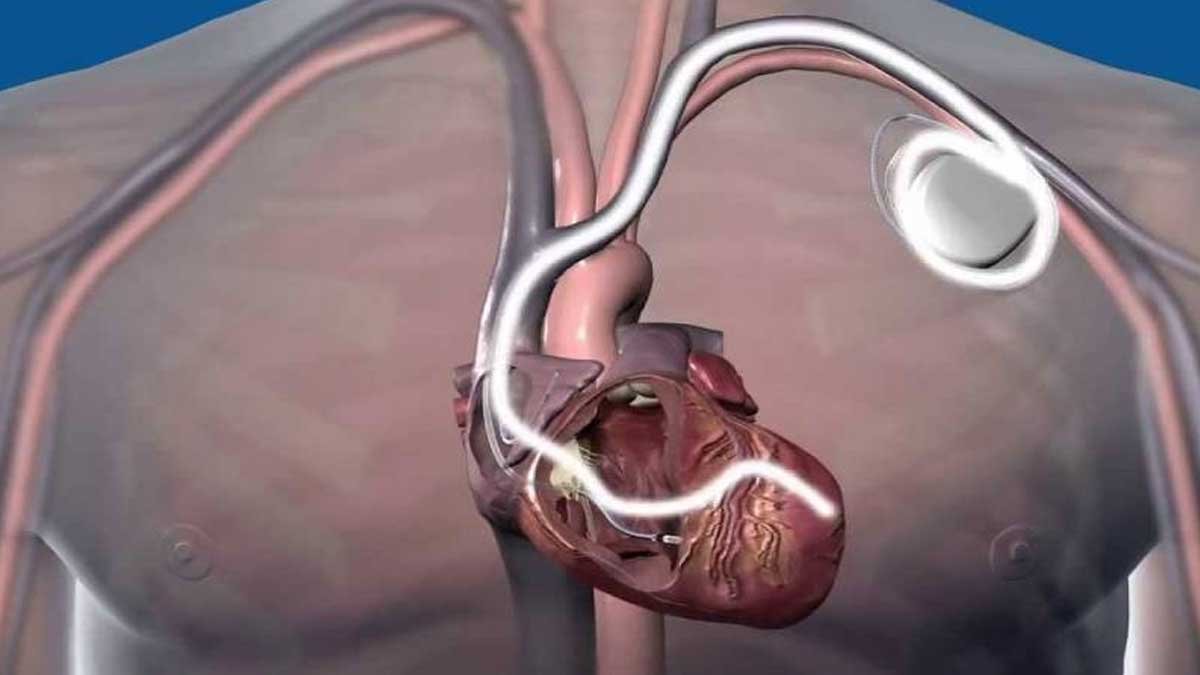
Pacemaker Implantation is a medical procedure in which a small electronic device is placed under the skin, usually near the chest, to help regulate an abnormal or slow heartbeat. The pacemaker sends electrical impulses to the heart when needed, helping maintain an appropriate heart rate and rhythm. The procedure is commonly recommended for patients with certain heart rhythm disorders, including bradycardia and conduction abnormalities. The primary goal is to improve heart rhythm, relieve symptoms such as dizziness, fatigue, and fainting, and support normal daily activities. Regular follow-up visits are essential to monitor device function, adjust settings when necessary, and maintain long-term heart health.

Implantable Cardioverter Defibrillator (ICD) Implantation
Cardiac Surgery

Implantable Cardioverter Defibrillator (ICD) Implantation

mplantable Cardioverter Defibrillator (ICD) Implantation is a specialized procedure in which a small electronic device is placed under the skin, usually near the chest, to monitor the heart rhythm and detect potentially life-threatening arrhythmias. When a dangerous rhythm is detected, the ICD delivers electrical therapy to help restore a normal heartbeat. It is commonly recommended for patients at increased risk of sudden cardiac arrest due to certain heart conditions. The primary goal is to protect against dangerous heart rhythms and reduce the risk of sudden cardiac death. Regular follow-up care is essential to monitor device function, adjust settings when needed, and support long-term heart health.

Cardiac Resynchronization Therapy (CRT) Device Implantation
Cardiac Surgery

Cardiac Resynchronization Therapy (CRT) Device Implantation

Cardiac Resynchronization Therapy (CRT) Device Implantation is a specialized procedure in which a small electronic device is implanted to help the heart’s lower chambers (ventricles) beat in a more coordinated and synchronized manner. It is commonly recommended for selected patients with heart failure and electrical conduction abnormalities that affect the heart’s pumping efficiency. The device sends electrical impulses to coordinate the contractions of the ventricles, helping improve the heart’s pumping function. Depending on the patient's condition, the device may be a CRT-P pacemaker or a CRT-D device with defibrillation capability. The primary goal is to improve heart function, reduce heart failure symptoms, and enhance quality of life. Regular follow-up care is essential to monitor device performance and evaluate treatment outcomes.

Minimally Invasive Heart Surgery
Cardiac Surgery

Minimally Invasive Heart Surgery

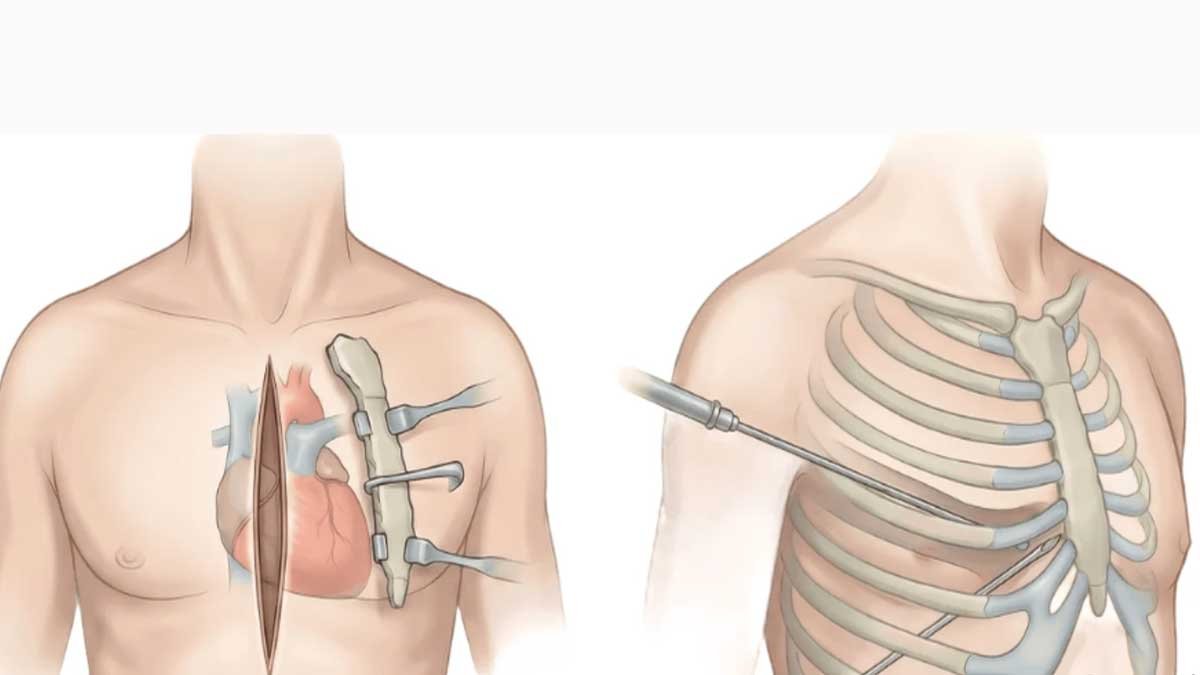
Minimally Invasive Heart Surgery involves advanced surgical techniques used to treat various heart conditions through small incisions rather than a traditional large chest incision. Depending on the patient's condition, procedures may be performed using specialized instruments, video-assisted techniques, or robotic-assisted technology. This approach may be suitable for certain heart valve repairs or replacements and other selected cardiac procedures. Potential benefits include reduced surgical trauma, less postoperative pain, smaller scars, shorter hospital stays, and faster recovery compared with conventional surgery in appropriate patients. The surgical approach is selected based on the patient's heart condition, overall health, and treatment requirements. Regular follow-up care helps monitor recovery and support long-term heart health.

Robotic Heart Surgery
Cardiac Surgery

Robotic Heart Surgery

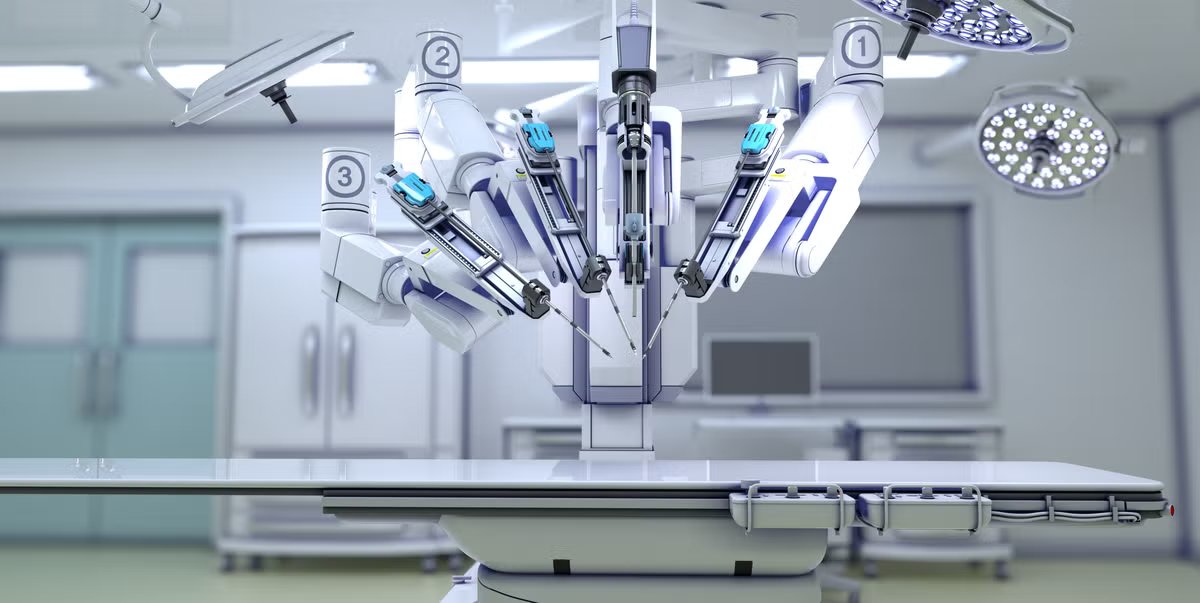
Robotic Heart Surgery is an advanced surgical approach that uses robotic-assisted technology to help surgeons perform selected cardiac procedures with enhanced precision and control. The surgeon operates specialized robotic instruments through small incisions, guided by a high-definition, magnified 3D view of the surgical area. This technique may be used for selected heart valve repairs, atrial septal procedures, and other suitable cardiac surgeries. Potential benefits include smaller incisions, reduced surgical trauma, less postoperative discomfort, shorter hospital stays, and faster recovery in eligible patients. The suitability of robotic heart surgery depends on the patient's condition and the complexity of the procedure. Careful evaluation and regular follow-up are essential for optimal outcomes.

Ross Procedure
Cardiac Surgery

Ross Procedure

The Ross Procedure is a specialized heart surgery used to treat certain diseases of the aortic valve. During the procedure, the patient's own pulmonary valve is moved to replace the diseased aortic valve, and a donor valve or suitable conduit is used to replace the pulmonary valve. This approach may be considered for selected patients, particularly children and younger adults, depending on their condition. The primary goal is to restore normal blood flow, improve heart function, and provide a durable valve replacement option while avoiding lifelong anticoagulation solely for a mechanical valve. Regular follow-up care is essential to monitor both the aortic and pulmonary valve positions and maintain long-term heart health.

Transcatheter Aortic Valve Replacement (TAVR)
Cardiac Surgery

Transcatheter Aortic Valve Replacement (TAVR)

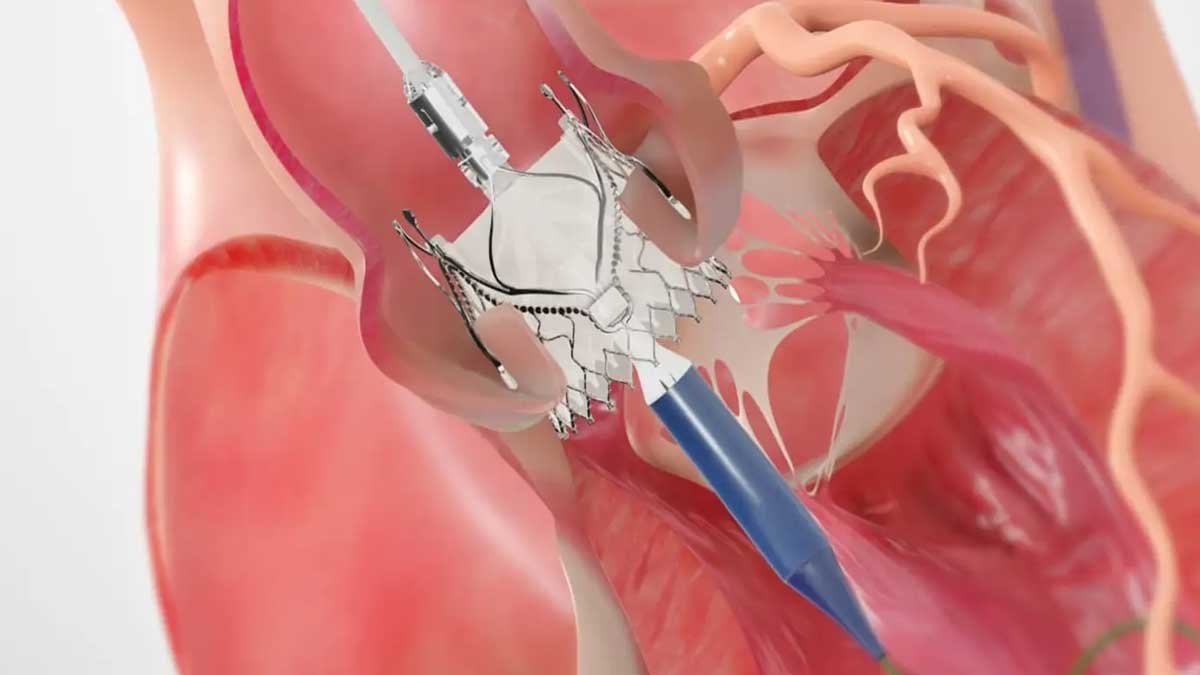
Transcatheter Aortic Valve Replacement (TAVR) is a minimally invasive procedure used to replace a narrowed or diseased aortic valve that restricts blood flow from the heart to the body. During the procedure, a replacement valve is guided to the heart through a catheter, usually inserted through an artery in the groin. The new valve is positioned inside the existing aortic valve to improve blood flow and reduce symptoms such as chest pain, breathlessness, fatigue, and dizziness. TAVR may be recommended for patients with severe aortic stenosis, depending on their age, overall health, and individual treatment needs. The primary goal is to improve heart function, relieve symptoms, and enhance quality of life. Regular follow-up care is essential to monitor valve performance and long-term recovery.

Transcatheter Mitral Valve Repair
Cardiac Surgery

Transcatheter Mitral Valve Repair

Transcatheter Mitral Valve Repair is a minimally invasive procedure used to treat mitral valve leakage (mitral regurgitation) without requiring traditional open-heart surgery. During the procedure, a catheter is guided through a blood vessel, usually from the groin, to the heart. Specialized devices, such as a clip, may be used to help the mitral valve close more effectively and reduce backward blood flow. This treatment may be suitable for selected patients depending on the severity of the valve condition and overall health. The primary goal is to improve valve function, reduce symptoms such as breathlessness and fatigue, and support better heart performance. Regular follow-up care is essential to monitor valve function and long-term outcomes.

Left Atrial Appendage Closure
Cardiac Surgery

Left Atrial Appendage Closure

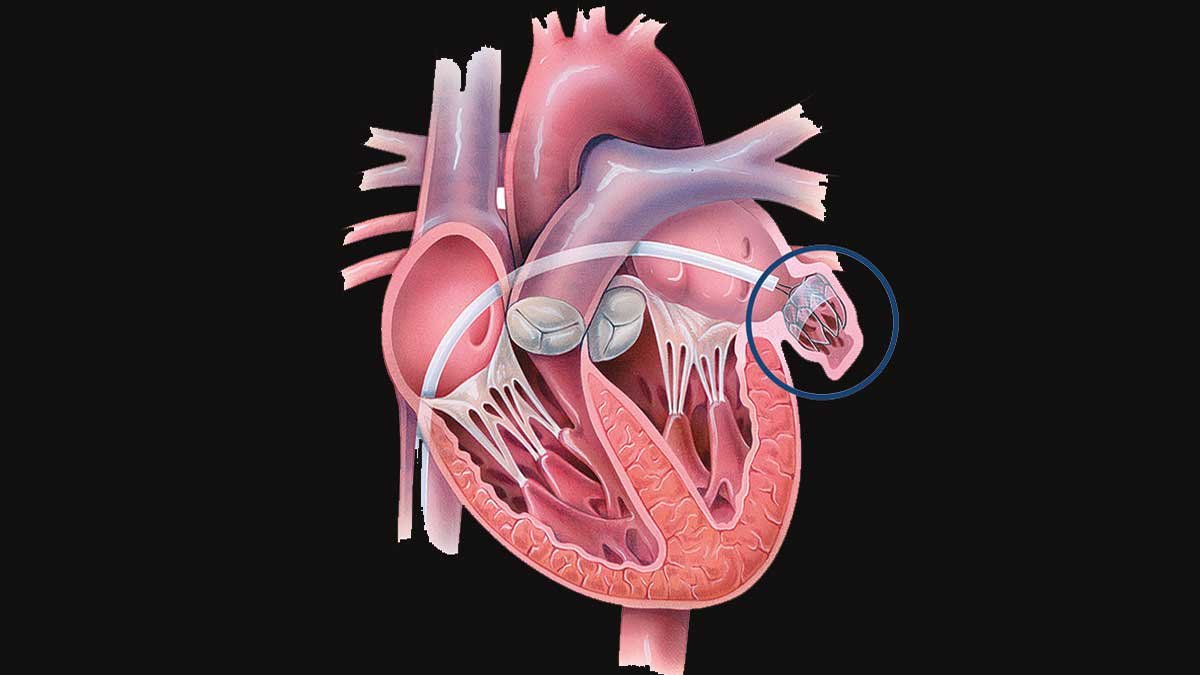
Left Atrial Appendage Closure is a specialized procedure designed to reduce the risk of stroke in selected patients with atrial fibrillation (AFib). The left atrial appendage is a small pouch in the heart where blood clots can form, potentially travel to the brain, and cause a stroke. During the procedure, a closure device is placed to seal off the appendage and help prevent blood clots from entering the bloodstream. The procedure is typically performed using a catheter inserted through a blood vessel in the groin. It may be considered for patients with non-valvular atrial fibrillation who require an alternative to long-term oral anticoagulation. The primary goal is to reduce stroke risk and support long-term cardiovascular health. Regular follow-up care is essential to assess device placement and ensure proper closure.

Percutaneous Valve Procedures
Cardiac Surgery

Percutaneous Valve Procedures

Percutaneous Valve Procedures are minimally invasive treatments used to diagnose or manage certain heart valve conditions without requiring traditional open-heart surgery. These procedures involve inserting a thin catheter through a blood vessel, usually in the groin, and guiding it to the heart to repair, replace, or improve the function of a damaged valve. Depending on the patient's condition, treatment may include balloon valvuloplasty, transcatheter valve replacement, or catheter-based valve repair. These techniques may help improve blood flow, reduce symptoms such as breathlessness and fatigue, and support better heart function. The appropriate procedure is selected based on the affected valve, severity of the condition, and the patient's overall health. Regular follow-up care is essential to monitor valve performance and long-term outcomes.

OUR SPECIALISTS

Top Specialists in Cardiac Surgery

View All Doctors
Director and HOD - ENT

Dr. Atul Mittal

MBBS, MS
40+ Yrs Experience
Fortis Memorial Research Institute, Gurugram
★★★★★ 5.0
View Profile & Book
Director & Unit Head - Department of Urology. Uro-Oncology Robotics & Renal Transplant

Dr. Pradeep Bansal

MBBS, MS (Surgery), Mch (Urology)
28+ Yrs Experience
Artemis Hospital, Gurugram
★★★★★ 4.8
View Profile & Book
WHERE TO GET TREATED

Accredited Hospitals for Cardiac Surgery

View All Hospitals
Amrita Hospital

Leading multi-specialty healthcare services in India.

Faridabad, Haryana Est:
JCINABHNABL
View Hospital Details

Apollo Hospitals

Leading multi-specialty healthcare services in India.

Gurugram, Haryana Est: 2026
NABH
View Hospital Details

Fortis Escorts Heart Institute

Focused Cardiac Expertise, Thoughtful Care and Advanced Treatment for Every Heart Journey

Delhi, Delhi NCR Est: 1988
NABH
View Hospital Details
Specialty Patient recovery
SUCCESS STORY

Real Recovery.
Real Hope.

"
★★★★★

Coming from Kenya to seek medical treatment in India was a daunting step. But the team at AthelCare supported us at every single moment—from visa documentation, airport pickup, hospital appointments, to recovering comfortably. The cost was extremely affordable and the surgical outcome was absolutely successful. Highly recommended!

JM
Joseph Mwangi 🇰🇪 Kenya — Patient Recovery Success Treated at Apollo Hospitals, New Delhi
FAQ

Common Questions

Get Free Consultation
How do I request a cost estimate or medical opinion?
Simply upload your diagnostic reports and medical summary using our contact form. Our specialized clinical team will review them and send you a detailed treatment proposal and pricing quote within 24-48 hours.
How long will I need to stay in India for treatment?
This varies depending on the severity of the condition and surgical requirements. Minor surgeries require 1-2 weeks of stay, while major surgeries or transplants require 4-8 weeks.
Are clinical results and facilities comparable to USA/UK?
Yes. India's top super-specialty hospitals are NABH & JCI accredited. They leverage state-of-the-art diagnostic equipment, robotic-assisted surgical platforms, and are staffed by highly qualified, fellowship-trained experts.
YOUR HEALTH IS OUR PRIORITY

Take the first step toward
a healthier life.