Orthopedic Surgery is a medical specialty dedicated to diagnosing, treating, operating on, and rehabilitating conditions affecting the musculoskeletal system—including bones, joints, ligaments, tendons, and muscles. From life-changing total joint replacements (knee and hip) and complex spine reconstructions to sports injury repair (ACL reconstruction and shoulder arthroscopy) and trauma care, modern orthopedics focuses on restoring pain-free mobility and improving daily quality of life.
Explore dedicated sub-specialties with expert doctors, accredited hospital centers, and tailored treatment plans in India.
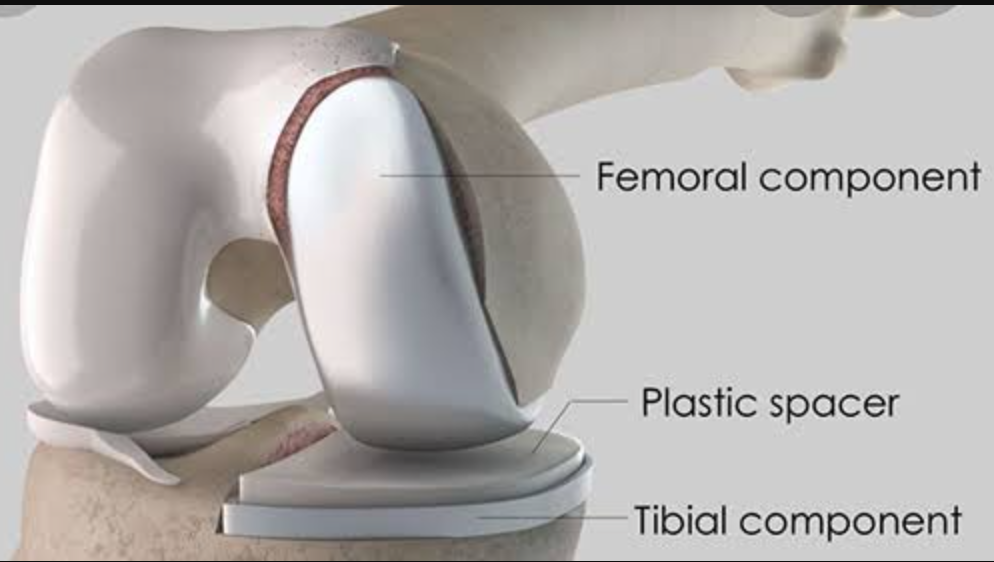
Total Knee Replacement (TKR) is a surgical procedure in which damaged cartilage and bone surfaces of the knee joint are replaced with artificial implants. It is commonly recommended for advanced osteoarthritis, severe joint damage, persistent pain, and reduced mobility when non-surgical treatments no longer provide sufficient relief. The procedure aims to improve joint function, reduce pain, and support daily activities. Rehabilitation and regular follow-up are important parts of recovery.
Partial Knee Replacement is a surgical procedure that replaces only the damaged compartment of the knee while preserving healthy bone, cartilage, and supporting ligaments where possible. It may be suitable for patients whose osteoarthritis is limited to one part of the knee. Treatment planning includes clinical examination and imaging to assess joint damage and ligament stability. Recovery and expected outcomes depend on patient selection, overall health, and rehabilitation.
Revision Knee Replacement is a specialized operation performed to replace or correct components of an earlier knee replacement. It may be required because of implant loosening, wear, infection, instability, fracture, or persistent symptoms associated with a previous implant. The surgeon evaluates bone quality, implant condition, joint stability, and the cause of failure before planning treatment. Revision surgery may require specialized implants, bone reconstruction, and a carefully supervised rehabilitation program.
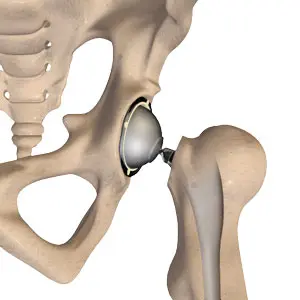
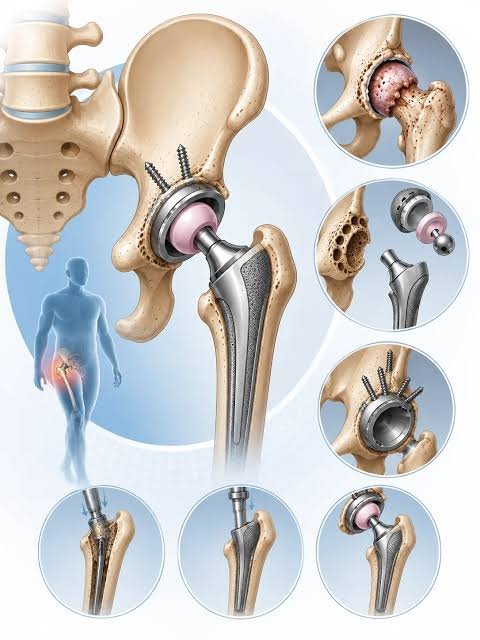
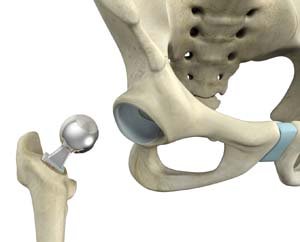
Total Hip Replacement (THR), also called total hip arthroplasty, involves replacing damaged parts of the hip joint with artificial components. It is commonly performed for advanced osteoarthritis, rheumatoid arthritis, osteonecrosis, and other conditions that cause severe pain or restricted movement. The procedure replaces the damaged ball and socket surfaces to improve mobility and reduce discomfort. Recovery generally includes pain management, guided physiotherapy, movement precautions when indicated, and regular clinical follow-up.
Advanced Hip Osteoarthritis Surgery addresses severe deterioration of the hip joint cartilage that causes persistent pain, stiffness, and difficulty walking or performing everyday activities. Treatment depends on the extent of joint damage, patient health, and response to non-surgical care. When conservative treatments are no longer effective, total hip replacement may be recommended to replace damaged joint surfaces with artificial components. Preoperative assessment and postoperative rehabilitation help support safe recovery and improved mobility.
Revision Hip Replacement is a complex procedure used to correct or replace components of a previous hip implant. Common reasons include implant loosening, component wear, recurrent dislocation, infection, fracture, or bone loss around the joint. The surgical plan depends on the cause of implant failure, the condition of the surrounding bone, and the stability of the hip. Some cases require specialized implants or bone reconstruction, followed by individualized rehabilitation and long-term monitoring.
Partial Hip Replacement, also known as hemiarthroplasty, replaces the femoral head of the hip joint with an artificial component while retaining the natural hip socket. It is commonly considered for selected hip fractures, particularly fractures of the femoral neck in older adults. The choice of treatment depends on fracture characteristics, activity level, general health, and clinical assessment. Early mobilization, appropriate pain management, and rehabilitation are important for recovery and reducing complications associated with prolonged immobility.
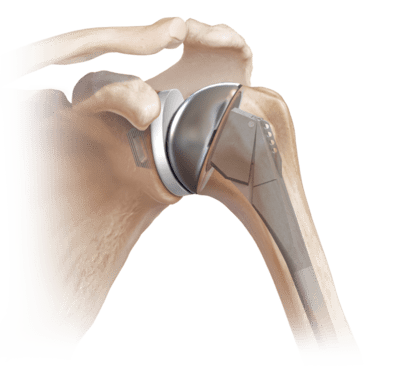
Total Shoulder Replacement is a procedure in which damaged surfaces of the shoulder joint are replaced with artificial components. It may be recommended for severe shoulder osteoarthritis, selected fractures, or other conditions that cause persistent pain and loss of function. Depending on the joint damage and the condition of the rotator cuff, the surgeon selects an appropriate implant design. Postoperative care generally includes pain control, guided exercises, and progressive rehabilitation to restore comfortable shoulder movement.
Reverse Shoulder Arthroplasty is a type of shoulder replacement in which the positions of the ball and socket components are reversed compared with normal shoulder anatomy. It is commonly considered for selected patients with severe rotator cuff damage, cuff tear arthropathy, or certain complex shoulder fractures. The implant design allows the deltoid muscle to contribute more effectively to raising the arm when the rotator cuff cannot function adequately. Treatment selection and rehabilitation depend on individual shoulder condition and functional goals.
Elbow Replacement is a surgical procedure that replaces damaged joint surfaces with artificial components to reduce pain and improve function. It may be considered for severe rheumatoid arthritis, advanced osteoarthritis, complex fractures, or other conditions that substantially damage the elbow joint. The surgical approach and implant selection depend on bone quality, ligament stability, and the extent of joint destruction. Rehabilitation focuses on restoring useful movement while protecting the implant and following the surgeon’s activity restrictions.
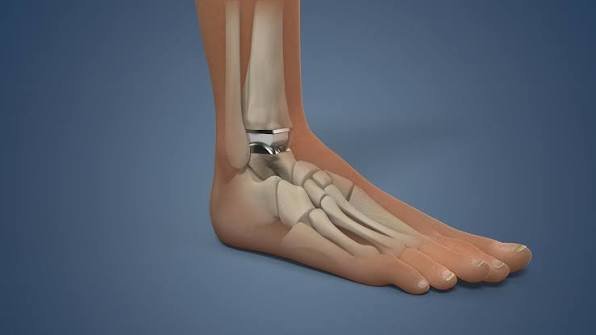
Ankle Replacement, also called total ankle arthroplasty, involves replacing damaged joint surfaces of the ankle with artificial components. It may be considered for selected patients with advanced ankle arthritis who experience persistent pain, stiffness, and difficulty walking despite appropriate non-surgical treatment. Suitability depends on bone quality, ankle alignment, ligament stability, activity demands, and overall health. The treatment aims to relieve pain while preserving ankle movement, with postoperative rehabilitation and follow-up tailored to the patient.
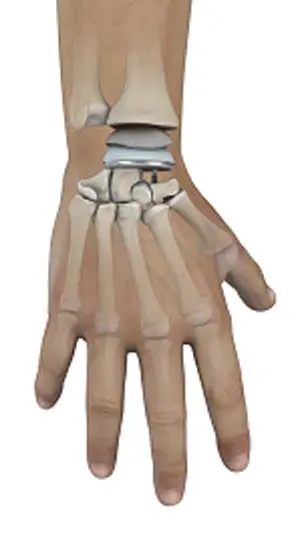
Wrist Joint Replacement is a surgical procedure that replaces damaged wrist joint surfaces with artificial components. It may be considered in selected patients with severe arthritis, including rheumatoid arthritis, when pain and functional limitations persist despite other treatments. The decision depends on bone quality, joint stability, activity requirements, and the condition of surrounding tendons and soft tissues. Depending on the individual case, other procedures may be more suitable. Recovery includes specialist guidance, rehabilitation, and appropriate activity modification.
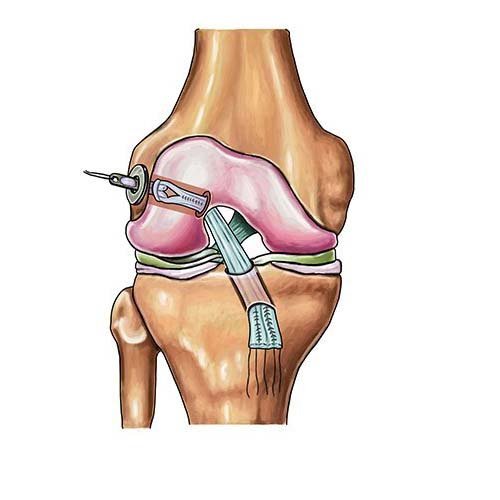
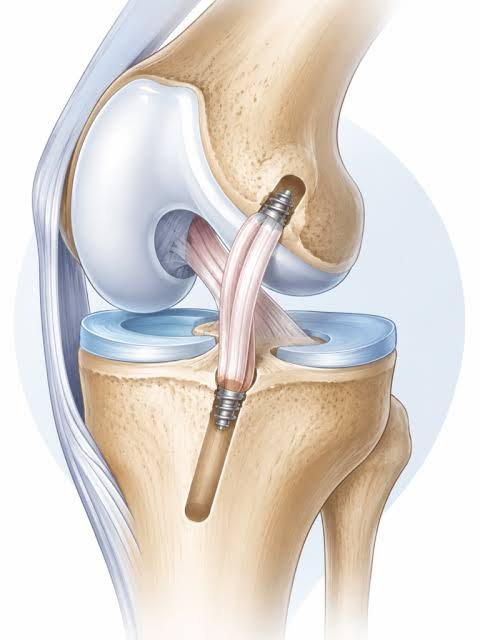
Anterior Cruciate Ligament (ACL) Reconstruction is a surgical procedure that restores knee stability by replacing a torn ACL with a tissue graft. It may be recommended for patients with persistent knee instability, associated injuries, or activity goals that require a stable knee. The graft may be obtained from the patient or a suitable donor, depending on the surgical plan. Rehabilitation is essential and usually progresses through stages focused on swelling control, restoration of movement, muscle strengthening, balance, and a safe return to activity.
Posterior Cruciate Ligament (PCL) Reconstruction is a procedure used to restore stability when a significant PCL injury causes persistent knee dysfunction. The PCL helps control backward movement of the shinbone relative to the thighbone. Surgery may be considered for selected severe tears, combined ligament injuries, or ongoing instability despite appropriate non-surgical management. Reconstruction generally uses a tissue graft to replace the damaged ligament. A structured rehabilitation program helps restore knee movement, strength, and stability while protecting the healing graft.
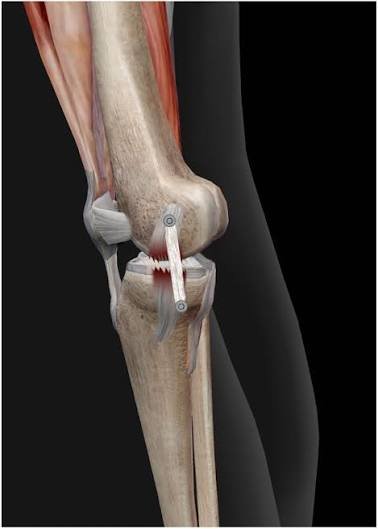
Medial Collateral Ligament (MCL) Reconstruction is a surgical procedure intended to restore stability to the inner side of the knee when the ligament is severely damaged and does not heal adequately with conservative treatment. Many isolated MCL injuries can be managed without surgery, but reconstruction may be considered in selected cases involving persistent instability or multiple ligament injuries. The procedure may use a tissue graft to reinforce or replace the damaged ligament. Rehabilitation focuses on controlled movement, progressive strengthening, and restoration of knee stability.
Lateral Collateral Ligament (LCL) Reconstruction is performed to address significant ligament damage that causes instability on the outer side of the knee. The LCL helps resist excessive sideways movement and contributes to overall knee stability. Surgery may be considered for severe injuries, persistent instability, or injuries involving other supporting structures. Depending on the extent of damage, reconstruction may use a tissue graft and may be combined with treatment of associated ligament injuries. Postoperative rehabilitation is tailored to protect the repair and restore function.
Multi-Ligament Knee Reconstruction is a specialized procedure for complex injuries involving two or more major knee ligaments. These injuries can occur after high-energy trauma, sports accidents, or knee dislocations and may cause substantial instability. Treatment planning considers vascular and nerve status, swelling, associated fractures, cartilage damage, and the timing of surgery. One or more ligaments may be repaired or reconstructed using appropriate techniques. Recovery usually requires a carefully staged rehabilitation program and close specialist monitoring.
Meniscus Repair is a surgical procedure used to repair a suitable tear in the meniscus, a crescent-shaped cartilage structure that helps cushion and stabilize the knee. Repair may be recommended when the tear pattern, location, tissue quality, and blood supply suggest a reasonable chance of healing. Depending on the injury, treatment may involve arthroscopic techniques to secure the torn tissue. Recovery varies according to the type of tear and repair, and rehabilitation may include temporary restrictions on weight-bearing and knee movement.
Leading multi-specialty healthcare services in India.
Where Advanced Medical Expertise Comes Together With Personalised Patient Care
Coming from Kenya to seek medical treatment in India was a daunting step. But the team at AthelCare supported us at every single moment—from visa documentation, airport pickup, hospital appointments, to recovering comfortably. The cost was extremely affordable and the surgical outcome was absolutely successful. Highly recommended!