info@aethelcare.com +91 97959 65791 24/7 International Support
OTHER

ENT in India

AethelCare Provide Top Specialist Doctors And Best Hospitals For Your Medical HealthCare.
OVERVIEW

ENT? Advanced Ear, Nose & Throat Care

ENT (Otorhinolaryngology) is a medical specialty focused on diagnosing, managing, and treating conditions affecting the ears, nose, throat, head, and neck. From non-invasive therapies to advanced surgical interventions—such as endoscopic sinus surgery, cochlear implants, thyroidectomies, and voice-restoration procedures—ENT specialists restore vital functions like hearing, breathing, speech, and balance.

World-Class InfrastructureNABH/JCI accredited centers with global standards
Up to 80% SavingsDramatically lower cost than USA, UK, or Australia
Expert SpecialistsInternationally trained & board-certified specialists
Priority CareImmediate scheduler booking with zero waiting list

Specialist Doctor in India
500+ Top Specialists 20+ JCI & NABH Accredited Hospitals
SPECIALIZED CONDITIONS & PROCEDURES

Explore ENT Sub Categories

Explore dedicated sub-specialties with expert doctors, accredited hospital centers, and tailored treatment plans in India.

47 Sub Specialties Get Treatment Opinion
Myringotomy with Grommet (Ventilation Tube) Insertion
ENT

Myringotomy with Grommet (Ventilation Tube) Insertion

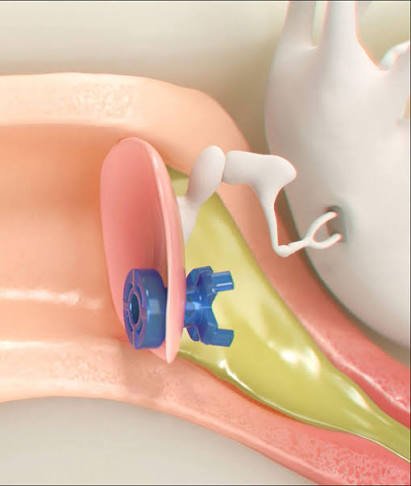
Myringotomy with Grommet (Ventilation Tube) InsertionOverviewMyringotomy with Grommet Insertion creates a small opening in the eardrum and places a ventilation tube to help equalize middle ear pressure and drain trapped fluid. It may be considered for persistent middle ear effusion, recurrent ear infections in selected patients, or hearing difficulties associated with fluid accumulation.When Is This Procedure Considered?This procedure may be considered when symptoms, examination findings, or diagnostic investigations indicate that surgical or procedural treatment is appropriate. The decision depends on the underlying condition, its severity, previous treatments, and the individual needs of the patient.Key Treatment ObjectivesAddress the underlying condition affecting the ear, nose, throat, airway, thyroid, salivary glands, or head and neck structures, as applicable.Improve the relevant function, relieve obstruction, remove diseased tissue, or reconstruct affected anatomy according to the procedure.Preserve hearing, breathing, voice, swallowing, nerve function, and healthy surrounding tissue whenever clinically possible.Reduce disease-related symptoms and support functional recovery.Preoperative AssessmentReview medical history, symptoms, previous procedures, medications, and relevant risk factors.Perform appropriate clinical examination and investigations, such as hearing tests, endoscopy, imaging, or tissue sampling when indicated.Discuss the proposed approach, anesthesia, expected benefits, potential complications, and alternative treatments.Procedure and Treatment ApproachThe technique may involve endoscopic, microscopic, laser-assisted, open, or reconstructive methods depending on the condition and anatomical location. The treating specialist selects the approach according to clinical findings, patient safety, and the intended treatment outcome.Recovery and Follow-UpPost-procedure monitoring and appropriate pain management.Wound care, nasal or ear care, airway management, voice therapy, or swallowing support when indicated.Gradual return to routine activities according to healing and specialist instructions.Follow-up examinations and relevant tests to assess healing, function, and treatment outcomes.Important ConsiderationsNot every procedure is suitable for every patient. The final treatment plan should be based on specialist assessment, the confirmed diagnosis, individual risk factors, and discussion of available alternatives.

Tympanoplasty
ENT

Tympanoplasty

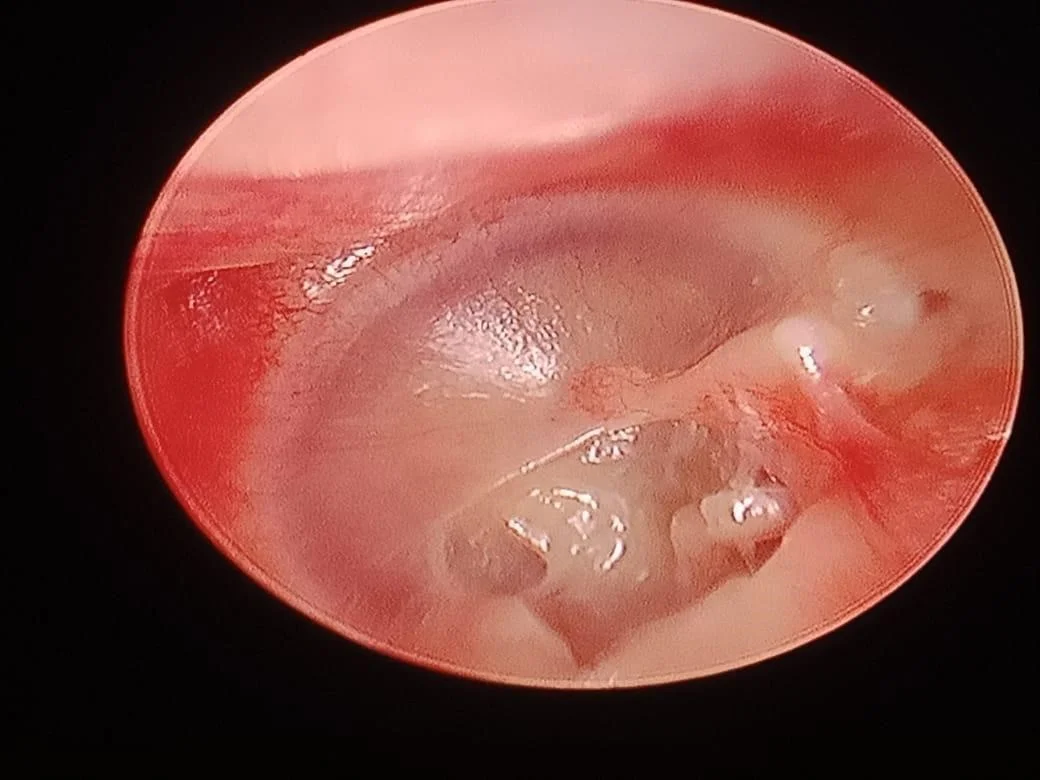
TympanoplastyOverviewTympanoplasty repairs a perforated or damaged eardrum and may help improve hearing or reduce recurrent middle ear infections. Depending on the condition, graft tissue is used to reconstruct the tympanic membrane, with additional middle ear repair when required.When Is This Procedure Considered?This procedure may be considered when symptoms, examination findings, or diagnostic investigations indicate that surgical or procedural treatment is appropriate. The decision depends on the underlying condition, its severity, previous treatments, and the individual needs of the patient.Key Treatment ObjectivesAddress the underlying condition affecting the ear, nose, throat, airway, thyroid, salivary glands, or head and neck structures, as applicable.Improve the relevant function, relieve obstruction, remove diseased tissue, or reconstruct affected anatomy according to the procedure.Preserve hearing, breathing, voice, swallowing, nerve function, and healthy surrounding tissue whenever clinically possible.Reduce disease-related symptoms and support functional recovery.Preoperative AssessmentReview medical history, symptoms, previous procedures, medications, and relevant risk factors.Perform appropriate clinical examination and investigations, such as hearing tests, endoscopy, imaging, or tissue sampling when indicated.Discuss the proposed approach, anesthesia, expected benefits, potential complications, and alternative treatments.Procedure and Treatment ApproachThe technique may involve endoscopic, microscopic, laser-assisted, open, or reconstructive methods depending on the condition and anatomical location. The treating specialist selects the approach according to clinical findings, patient safety, and the intended treatment outcome.Recovery and Follow-UpPost-procedure monitoring and appropriate pain management.Wound care, nasal or ear care, airway management, voice therapy, or swallowing support when indicated.Gradual return to routine activities according to healing and specialist instructions.Follow-up examinations and relevant tests to assess healing, function, and treatment outcomes.Important ConsiderationsNot every procedure is suitable for every patient. The final treatment plan should be based on specialist assessment, the confirmed diagnosis, individual risk factors, and discussion of available alternatives.

Mastoidectomy
ENT

Mastoidectomy

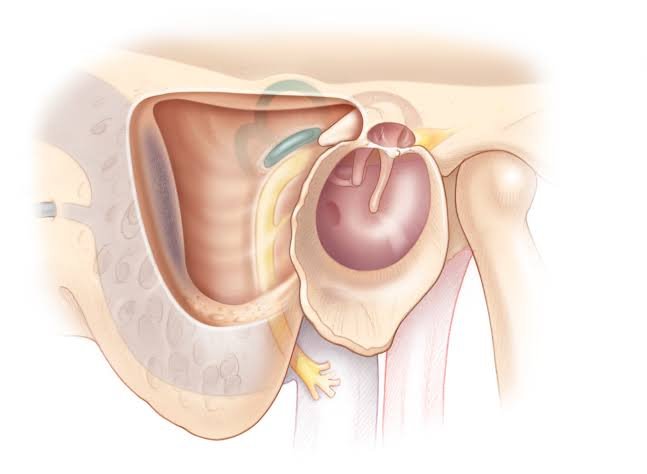
MastoidectomyOverviewMastoidectomy removes diseased air cells from the mastoid bone behind the ear. It may be required for cholesteatoma, persistent mastoid infection, or selected complications of middle ear disease. The extent of surgery depends on disease distribution and the need to preserve hearing structures and facial nerve function.When Is This Procedure Considered?This procedure may be considered when symptoms, examination findings, or diagnostic investigations indicate that surgical or procedural treatment is appropriate. The decision depends on the underlying condition, its severity, previous treatments, and the individual needs of the patient.Key Treatment ObjectivesAddress the underlying condition affecting the ear, nose, throat, airway, thyroid, salivary glands, or head and neck structures, as applicable.Improve the relevant function, relieve obstruction, remove diseased tissue, or reconstruct affected anatomy according to the procedure.Preserve hearing, breathing, voice, swallowing, nerve function, and healthy surrounding tissue whenever clinically possible.Reduce disease-related symptoms and support functional recovery.Preoperative AssessmentReview medical history, symptoms, previous procedures, medications, and relevant risk factors.Perform appropriate clinical examination and investigations, such as hearing tests, endoscopy, imaging, or tissue sampling when indicated.Discuss the proposed approach, anesthesia, expected benefits, potential complications, and alternative treatments.Procedure and Treatment ApproachThe technique may involve endoscopic, microscopic, laser-assisted, open, or reconstructive methods depending on the condition and anatomical location. The treating specialist selects the approach according to clinical findings, patient safety, and the intended treatment outcome.Recovery and Follow-UpPost-procedure monitoring and appropriate pain management.Wound care, nasal or ear care, airway management, voice therapy, or swallowing support when indicated.Gradual return to routine activities according to healing and specialist instructions.Follow-up examinations and relevant tests to assess healing, function, and treatment outcomes.Important ConsiderationsNot every procedure is suitable for every patient. The final treatment plan should be based on specialist assessment, the confirmed diagnosis, individual risk factors, and discussion of available alternatives.

Stapedectomy / Stapedotomy
ENT

Stapedectomy / Stapedotomy

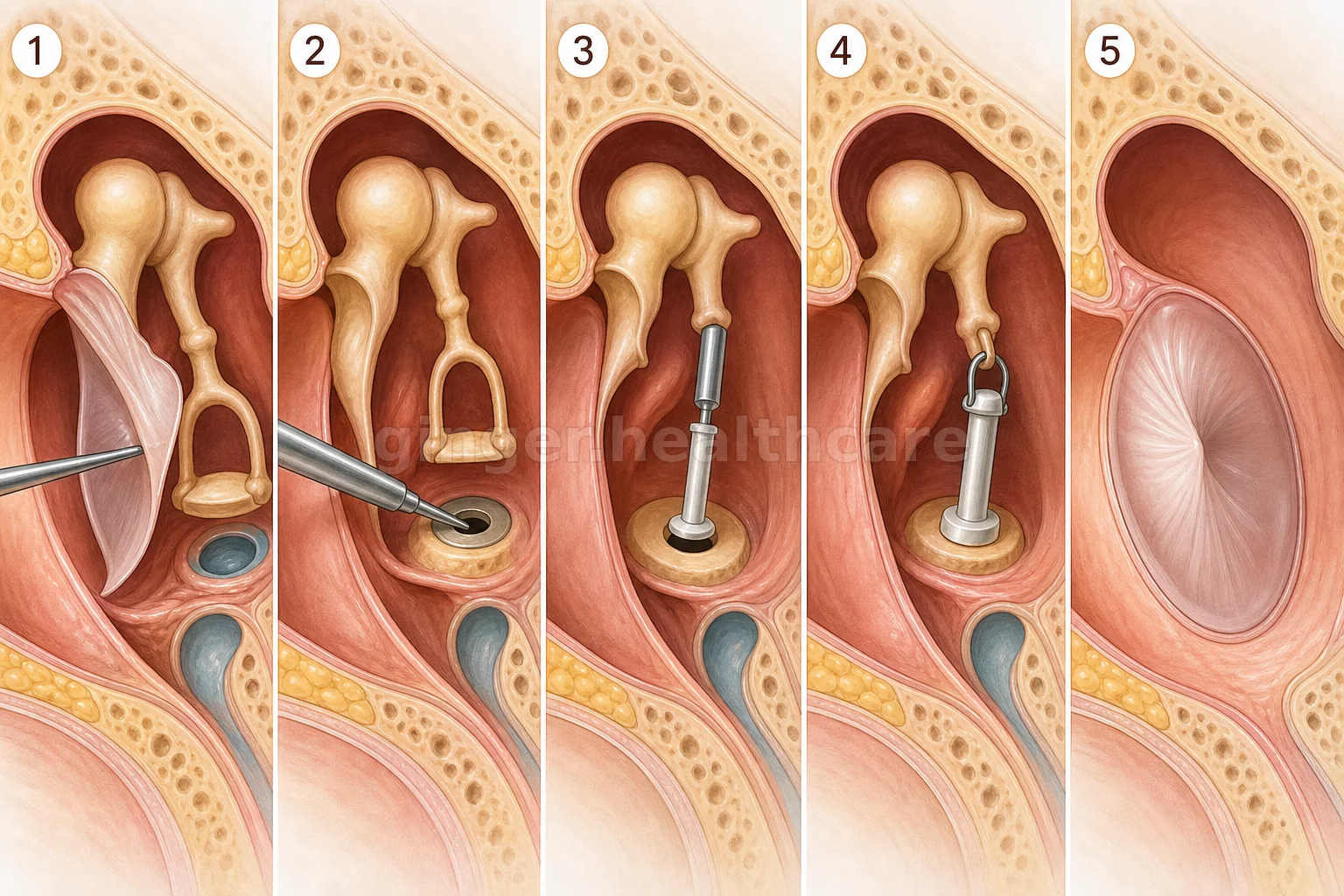
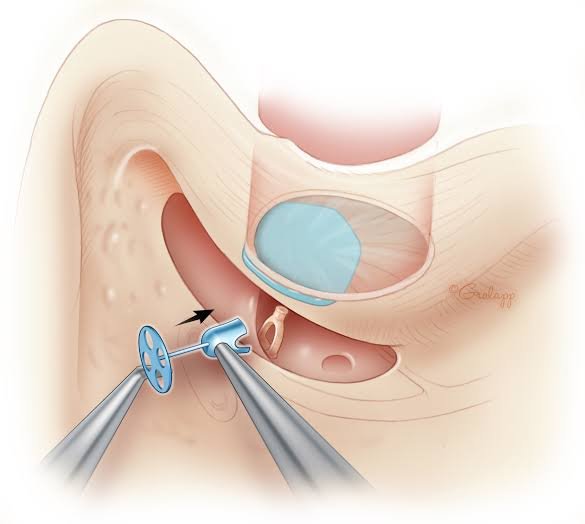
Stapedectomy / StapedotomyOverviewStapedectomy or Stapedotomy treats selected cases of conductive hearing loss caused by abnormal fixation of the stapes bone, commonly associated with otosclerosis. The procedure modifies or removes part of the stapes and places a small prosthesis to help transmit sound vibrations to the inner ear.When Is This Procedure Considered?This procedure may be considered when symptoms, examination findings, or diagnostic investigations indicate that surgical or procedural treatment is appropriate. The decision depends on the underlying condition, its severity, previous treatments, and the individual needs of the patient.Key Treatment ObjectivesAddress the underlying condition affecting the ear, nose, throat, airway, thyroid, salivary glands, or head and neck structures, as applicable.Improve the relevant function, relieve obstruction, remove diseased tissue, or reconstruct affected anatomy according to the procedure.Preserve hearing, breathing, voice, swallowing, nerve function, and healthy surrounding tissue whenever clinically possible.Reduce disease-related symptoms and support functional recovery.Preoperative AssessmentReview medical history, symptoms, previous procedures, medications, and relevant risk factors.Perform appropriate clinical examination and investigations, such as hearing tests, endoscopy, imaging, or tissue sampling when indicated.Discuss the proposed approach, anesthesia, expected benefits, potential complications, and alternative treatments.Procedure and Treatment ApproachThe technique may involve endoscopic, microscopic, laser-assisted, open, or reconstructive methods depending on the condition and anatomical location. The treating specialist selects the approach according to clinical findings, patient safety, and the intended treatment outcome.Recovery and Follow-UpPost-procedure monitoring and appropriate pain management.Wound care, nasal or ear care, airway management, voice therapy, or swallowing support when indicated.Gradual return to routine activities according to healing and specialist instructions.Follow-up examinations and relevant tests to assess healing, function, and treatment outcomes.Important ConsiderationsNot every procedure is suitable for every patient. The final treatment plan should be based on specialist assessment, the confirmed diagnosis, individual risk factors, and discussion of available alternatives.

Ossiculoplasty
ENT

Ossiculoplasty

OssiculoplastyOverviewOssiculoplasty reconstructs the small bones of the middle ear when they are damaged, absent, or disconnected. A prosthesis or suitable tissue may be used to restore sound transmission and improve conductive hearing, depending on middle ear condition and the integrity of the eardrum.When Is This Procedure Considered?This procedure may be considered when symptoms, examination findings, or diagnostic investigations indicate that surgical or procedural treatment is appropriate. The decision depends on the underlying condition, its severity, previous treatments, and the individual needs of the patient.Key Treatment ObjectivesAddress the underlying condition affecting the ear, nose, throat, airway, thyroid, salivary glands, or head and neck structures, as applicable.Improve the relevant function, relieve obstruction, remove diseased tissue, or reconstruct affected anatomy according to the procedure.Preserve hearing, breathing, voice, swallowing, nerve function, and healthy surrounding tissue whenever clinically possible.Reduce disease-related symptoms and support functional recovery.Preoperative AssessmentReview medical history, symptoms, previous procedures, medications, and relevant risk factors.Perform appropriate clinical examination and investigations, such as hearing tests, endoscopy, imaging, or tissue sampling when indicated.Discuss the proposed approach, anesthesia, expected benefits, potential complications, and alternative treatments.Procedure and Treatment ApproachThe technique may involve endoscopic, microscopic, laser-assisted, open, or reconstructive methods depending on the condition and anatomical location. The treating specialist selects the approach according to clinical findings, patient safety, and the intended treatment outcome.Recovery and Follow-UpPost-procedure monitoring and appropriate pain management.Wound care, nasal or ear care, airway management, voice therapy, or swallowing support when indicated.Gradual return to routine activities according to healing and specialist instructions.Follow-up examinations and relevant tests to assess healing, function, and treatment outcomes.Important ConsiderationsNot every procedure is suitable for every patient. The final treatment plan should be based on specialist assessment, the confirmed diagnosis, individual risk factors, and discussion of available alternatives.

Cochlear Implant Surgery
ENT

Cochlear Implant Surgery

Cochlear Implant SurgeryOverviewCochlear Implant Surgery places an electronic device that stimulates the auditory nerve to provide access to sound for selected patients with severe hearing loss. Treatment involves surgical implantation followed by device activation, programming, auditory rehabilitation, and long-term specialist support.When Is This Procedure Considered?This procedure may be considered when symptoms, examination findings, or diagnostic investigations indicate that surgical or procedural treatment is appropriate. The decision depends on the underlying condition, its severity, previous treatments, and the individual needs of the patient.Key Treatment ObjectivesAddress the underlying condition affecting the ear, nose, throat, airway, thyroid, salivary glands, or head and neck structures, as applicable.Improve the relevant function, relieve obstruction, remove diseased tissue, or reconstruct affected anatomy according to the procedure.Preserve hearing, breathing, voice, swallowing, nerve function, and healthy surrounding tissue whenever clinically possible.Reduce disease-related symptoms and support functional recovery.Preoperative AssessmentReview medical history, symptoms, previous procedures, medications, and relevant risk factors.Perform appropriate clinical examination and investigations, such as hearing tests, endoscopy, imaging, or tissue sampling when indicated.Discuss the proposed approach, anesthesia, expected benefits, potential complications, and alternative treatments.Procedure and Treatment ApproachThe technique may involve endoscopic, microscopic, laser-assisted, open, or reconstructive methods depending on the condition and anatomical location. The treating specialist selects the approach according to clinical findings, patient safety, and the intended treatment outcome.Recovery and Follow-UpPost-procedure monitoring and appropriate pain management.Wound care, nasal or ear care, airway management, voice therapy, or swallowing support when indicated.Gradual return to routine activities according to healing and specialist instructions.Follow-up examinations and relevant tests to assess healing, function, and treatment outcomes.Important ConsiderationsNot every procedure is suitable for every patient. The final treatment plan should be based on specialist assessment, the confirmed diagnosis, individual risk factors, and discussion of available alternatives.

Canalplasty
ENT

Canalplasty

CanalplastyOverviewCanalplasty widens or reshapes the external ear canal when narrowing, abnormal bone growth, scarring, or other structural problems interfere with examination, hearing, or ear drainage. The procedure aims to improve canal patency while protecting the eardrum and nearby structures.When Is This Procedure Considered?This procedure may be considered when symptoms, examination findings, or diagnostic investigations indicate that surgical or procedural treatment is appropriate. The decision depends on the underlying condition, its severity, previous treatments, and the individual needs of the patient.Key Treatment ObjectivesAddress the underlying condition affecting the ear, nose, throat, airway, thyroid, salivary glands, or head and neck structures, as applicable.Improve the relevant function, relieve obstruction, remove diseased tissue, or reconstruct affected anatomy according to the procedure.Preserve hearing, breathing, voice, swallowing, nerve function, and healthy surrounding tissue whenever clinically possible.Reduce disease-related symptoms and support functional recovery.Preoperative AssessmentReview medical history, symptoms, previous procedures, medications, and relevant risk factors.Perform appropriate clinical examination and investigations, such as hearing tests, endoscopy, imaging, or tissue sampling when indicated.Discuss the proposed approach, anesthesia, expected benefits, potential complications, and alternative treatments.Procedure and Treatment ApproachThe technique may involve endoscopic, microscopic, laser-assisted, open, or reconstructive methods depending on the condition and anatomical location. The treating specialist selects the approach according to clinical findings, patient safety, and the intended treatment outcome.Recovery and Follow-UpPost-procedure monitoring and appropriate pain management.Wound care, nasal or ear care, airway management, voice therapy, or swallowing support when indicated.Gradual return to routine activities according to healing and specialist instructions.Follow-up examinations and relevant tests to assess healing, function, and treatment outcomes.Important ConsiderationsNot every procedure is suitable for every patient. The final treatment plan should be based on specialist assessment, the confirmed diagnosis, individual risk factors, and discussion of available alternatives.

Meatoplasty
ENT

Meatoplasty

MeatoplastyOverviewMeatoplasty enlarges or reshapes the opening of the external auditory canal. It may be performed for canal narrowing, chronic ear disease, or as part of ear surgery to improve ventilation, drainage, and access for cleaning and follow-up examinations.When Is This Procedure Considered?This procedure may be considered when symptoms, examination findings, or diagnostic investigations indicate that surgical or procedural treatment is appropriate. The decision depends on the underlying condition, its severity, previous treatments, and the individual needs of the patient.Key Treatment ObjectivesAddress the underlying condition affecting the ear, nose, throat, airway, thyroid, salivary glands, or head and neck structures, as applicable.Improve the relevant function, relieve obstruction, remove diseased tissue, or reconstruct affected anatomy according to the procedure.Preserve hearing, breathing, voice, swallowing, nerve function, and healthy surrounding tissue whenever clinically possible.Reduce disease-related symptoms and support functional recovery.Preoperative AssessmentReview medical history, symptoms, previous procedures, medications, and relevant risk factors.Perform appropriate clinical examination and investigations, such as hearing tests, endoscopy, imaging, or tissue sampling when indicated.Discuss the proposed approach, anesthesia, expected benefits, potential complications, and alternative treatments.Procedure and Treatment ApproachThe technique may involve endoscopic, microscopic, laser-assisted, open, or reconstructive methods depending on the condition and anatomical location. The treating specialist selects the approach according to clinical findings, patient safety, and the intended treatment outcome.Recovery and Follow-UpPost-procedure monitoring and appropriate pain management.Wound care, nasal or ear care, airway management, voice therapy, or swallowing support when indicated.Gradual return to routine activities according to healing and specialist instructions.Follow-up examinations and relevant tests to assess healing, function, and treatment outcomes.Important ConsiderationsNot every procedure is suitable for every patient. The final treatment plan should be based on specialist assessment, the confirmed diagnosis, individual risk factors, and discussion of available alternatives.

Septoplasty
ENT

Septoplasty

SeptoplastyOverviewSeptoplasty corrects a deviated nasal septum to improve airflow through the nose. It may be considered for persistent nasal obstruction or selected related symptoms when examination confirms significant septal deviation. The procedure repositions or removes selected cartilage and bone while preserving adequate structural support.When Is This Procedure Considered?This procedure may be considered when symptoms, examination findings, or diagnostic investigations indicate that surgical or procedural treatment is appropriate. The decision depends on the underlying condition, its severity, previous treatments, and the individual needs of the patient.Key Treatment ObjectivesAddress the underlying condition affecting the ear, nose, throat, airway, thyroid, salivary glands, or head and neck structures, as applicable.Improve the relevant function, relieve obstruction, remove diseased tissue, or reconstruct affected anatomy according to the procedure.Preserve hearing, breathing, voice, swallowing, nerve function, and healthy surrounding tissue whenever clinically possible.Reduce disease-related symptoms and support functional recovery.Preoperative AssessmentReview medical history, symptoms, previous procedures, medications, and relevant risk factors.Perform appropriate clinical examination and investigations, such as hearing tests, endoscopy, imaging, or tissue sampling when indicated.Discuss the proposed approach, anesthesia, expected benefits, potential complications, and alternative treatments.Procedure and Treatment ApproachThe technique may involve endoscopic, microscopic, laser-assisted, open, or reconstructive methods depending on the condition and anatomical location. The treating specialist selects the approach according to clinical findings, patient safety, and the intended treatment outcome.Recovery and Follow-UpPost-procedure monitoring and appropriate pain management.Wound care, nasal or ear care, airway management, voice therapy, or swallowing support when indicated.Gradual return to routine activities according to healing and specialist instructions.Follow-up examinations and relevant tests to assess healing, function, and treatment outcomes.Important ConsiderationsNot every procedure is suitable for every patient. The final treatment plan should be based on specialist assessment, the confirmed diagnosis, individual risk factors, and discussion of available alternatives.

Functional Endoscopic Sinus Surgery (FESS)
ENT

Functional Endoscopic Sinus Surgery (FESS)

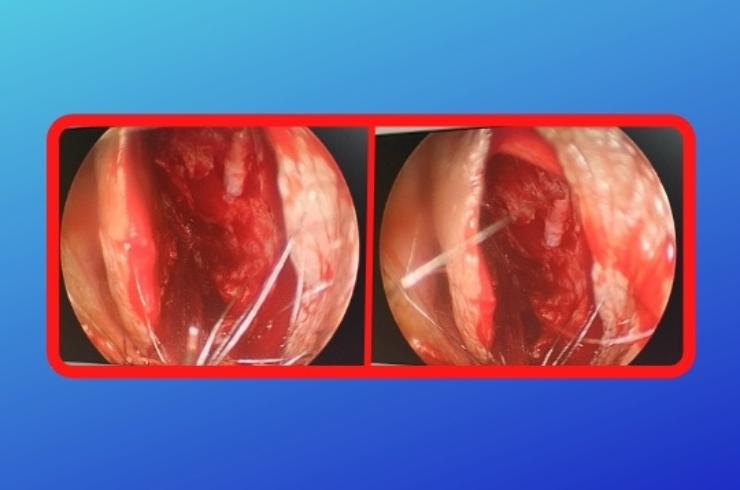
Functional Endoscopic Sinus Surgery (FESS)OverviewFunctional Endoscopic Sinus Surgery uses an endoscope through the nostrils to open blocked sinus drainage pathways and treat selected chronic sinus conditions. It may be recommended for persistent chronic rhinosinusitis or nasal polyps when appropriate medical treatment has not provided sufficient relief.When Is This Procedure Considered?This procedure may be considered when symptoms, examination findings, or diagnostic investigations indicate that surgical or procedural treatment is appropriate. The decision depends on the underlying condition, its severity, previous treatments, and the individual needs of the patient.Key Treatment ObjectivesAddress the underlying condition affecting the ear, nose, throat, airway, thyroid, salivary glands, or head and neck structures, as applicable.Improve the relevant function, relieve obstruction, remove diseased tissue, or reconstruct affected anatomy according to the procedure.Preserve hearing, breathing, voice, swallowing, nerve function, and healthy surrounding tissue whenever clinically possible.Reduce disease-related symptoms and support functional recovery.Preoperative AssessmentReview medical history, symptoms, previous procedures, medications, and relevant risk factors.Perform appropriate clinical examination and investigations, such as hearing tests, endoscopy, imaging, or tissue sampling when indicated.Discuss the proposed approach, anesthesia, expected benefits, potential complications, and alternative treatments.Procedure and Treatment ApproachThe technique may involve endoscopic, microscopic, laser-assisted, open, or reconstructive methods depending on the condition and anatomical location. The treating specialist selects the approach according to clinical findings, patient safety, and the intended treatment outcome.Recovery and Follow-UpPost-procedure monitoring and appropriate pain management.Wound care, nasal or ear care, airway management, voice therapy, or swallowing support when indicated.Gradual return to routine activities according to healing and specialist instructions.Follow-up examinations and relevant tests to assess healing, function, and treatment outcomes.Important ConsiderationsNot every procedure is suitable for every patient. The final treatment plan should be based on specialist assessment, the confirmed diagnosis, individual risk factors, and discussion of available alternatives.

Turbinoplasty / Turbinectomy
ENT

Turbinoplasty / Turbinectomy

Turbinoplasty / TurbinectomyOverviewTurbinoplasty or Turbinectomy reduces excessive enlargement of the nasal turbinates to improve nasal airflow. The technique may preserve or remove selected tissue depending on the cause and severity of obstruction. Treatment planning considers nasal anatomy, allergies, and other contributing conditions.When Is This Procedure Considered?This procedure may be considered when symptoms, examination findings, or diagnostic investigations indicate that surgical or procedural treatment is appropriate. The decision depends on the underlying condition, its severity, previous treatments, and the individual needs of the patient.Key Treatment ObjectivesAddress the underlying condition affecting the ear, nose, throat, airway, thyroid, salivary glands, or head and neck structures, as applicable.Improve the relevant function, relieve obstruction, remove diseased tissue, or reconstruct affected anatomy according to the procedure.Preserve hearing, breathing, voice, swallowing, nerve function, and healthy surrounding tissue whenever clinically possible.Reduce disease-related symptoms and support functional recovery.Preoperative AssessmentReview medical history, symptoms, previous procedures, medications, and relevant risk factors.Perform appropriate clinical examination and investigations, such as hearing tests, endoscopy, imaging, or tissue sampling when indicated.Discuss the proposed approach, anesthesia, expected benefits, potential complications, and alternative treatments.Procedure and Treatment ApproachThe technique may involve endoscopic, microscopic, laser-assisted, open, or reconstructive methods depending on the condition and anatomical location. The treating specialist selects the approach according to clinical findings, patient safety, and the intended treatment outcome.Recovery and Follow-UpPost-procedure monitoring and appropriate pain management.Wound care, nasal or ear care, airway management, voice therapy, or swallowing support when indicated.Gradual return to routine activities according to healing and specialist instructions.Follow-up examinations and relevant tests to assess healing, function, and treatment outcomes.Important ConsiderationsNot every procedure is suitable for every patient. The final treatment plan should be based on specialist assessment, the confirmed diagnosis, individual risk factors, and discussion of available alternatives.

Nasal Polypectomy
ENT

Nasal Polypectomy

Nasal PolypectomyOverviewNasal Polypectomy removes nasal polyps that contribute to obstruction, reduced smell, or chronic sinus symptoms. The procedure may be performed using endoscopic instruments, sometimes alongside sinus surgery. Ongoing medical management may be needed because polyps can recur.When Is This Procedure Considered?This procedure may be considered when symptoms, examination findings, or diagnostic investigations indicate that surgical or procedural treatment is appropriate. The decision depends on the underlying condition, its severity, previous treatments, and the individual needs of the patient.Key Treatment ObjectivesAddress the underlying condition affecting the ear, nose, throat, airway, thyroid, salivary glands, or head and neck structures, as applicable.Improve the relevant function, relieve obstruction, remove diseased tissue, or reconstruct affected anatomy according to the procedure.Preserve hearing, breathing, voice, swallowing, nerve function, and healthy surrounding tissue whenever clinically possible.Reduce disease-related symptoms and support functional recovery.Preoperative AssessmentReview medical history, symptoms, previous procedures, medications, and relevant risk factors.Perform appropriate clinical examination and investigations, such as hearing tests, endoscopy, imaging, or tissue sampling when indicated.Discuss the proposed approach, anesthesia, expected benefits, potential complications, and alternative treatments.Procedure and Treatment ApproachThe technique may involve endoscopic, microscopic, laser-assisted, open, or reconstructive methods depending on the condition and anatomical location. The treating specialist selects the approach according to clinical findings, patient safety, and the intended treatment outcome.Recovery and Follow-UpPost-procedure monitoring and appropriate pain management.Wound care, nasal or ear care, airway management, voice therapy, or swallowing support when indicated.Gradual return to routine activities according to healing and specialist instructions.Follow-up examinations and relevant tests to assess healing, function, and treatment outcomes.Important ConsiderationsNot every procedure is suitable for every patient. The final treatment plan should be based on specialist assessment, the confirmed diagnosis, individual risk factors, and discussion of available alternatives.

Endoscopic Dacryocystorhinostomy (DCR)
ENT

Endoscopic Dacryocystorhinostomy (DCR)

Endoscopic Dacryocystorhinostomy (DCR)OverviewEndoscopic Dacryocystorhinostomy creates a new drainage pathway between the tear sac and nasal cavity to treat selected cases of blocked tear drainage. The procedure is performed through the nose and may help relieve excessive tearing and recurrent tear sac infections.When Is This Procedure Considered?This procedure may be considered when symptoms, examination findings, or diagnostic investigations indicate that surgical or procedural treatment is appropriate. The decision depends on the underlying condition, its severity, previous treatments, and the individual needs of the patient.Key Treatment ObjectivesAddress the underlying condition affecting the ear, nose, throat, airway, thyroid, salivary glands, or head and neck structures, as applicable.Improve the relevant function, relieve obstruction, remove diseased tissue, or reconstruct affected anatomy according to the procedure.Preserve hearing, breathing, voice, swallowing, nerve function, and healthy surrounding tissue whenever clinically possible.Reduce disease-related symptoms and support functional recovery.Preoperative AssessmentReview medical history, symptoms, previous procedures, medications, and relevant risk factors.Perform appropriate clinical examination and investigations, such as hearing tests, endoscopy, imaging, or tissue sampling when indicated.Discuss the proposed approach, anesthesia, expected benefits, potential complications, and alternative treatments.Procedure and Treatment ApproachThe technique may involve endoscopic, microscopic, laser-assisted, open, or reconstructive methods depending on the condition and anatomical location. The treating specialist selects the approach according to clinical findings, patient safety, and the intended treatment outcome.Recovery and Follow-UpPost-procedure monitoring and appropriate pain management.Wound care, nasal or ear care, airway management, voice therapy, or swallowing support when indicated.Gradual return to routine activities according to healing and specialist instructions.Follow-up examinations and relevant tests to assess healing, function, and treatment outcomes.Important ConsiderationsNot every procedure is suitable for every patient. The final treatment plan should be based on specialist assessment, the confirmed diagnosis, individual risk factors, and discussion of available alternatives.

Rhinoplasty
ENT

Rhinoplasty

RhinoplastyOverviewRhinoplasty reshapes the external nose to address structural, functional, or appearance-related concerns. Depending on the treatment goals, the procedure may modify bone, cartilage, or soft tissue and may be combined with functional nasal surgery when indicated.When Is This Procedure Considered?This procedure may be considered when symptoms, examination findings, or diagnostic investigations indicate that surgical or procedural treatment is appropriate. The decision depends on the underlying condition, its severity, previous treatments, and the individual needs of the patient.Key Treatment ObjectivesAddress the underlying condition affecting the ear, nose, throat, airway, thyroid, salivary glands, or head and neck structures, as applicable.Improve the relevant function, relieve obstruction, remove diseased tissue, or reconstruct affected anatomy according to the procedure.Preserve hearing, breathing, voice, swallowing, nerve function, and healthy surrounding tissue whenever clinically possible.Reduce disease-related symptoms and support functional recovery.Preoperative AssessmentReview medical history, symptoms, previous procedures, medications, and relevant risk factors.Perform appropriate clinical examination and investigations, such as hearing tests, endoscopy, imaging, or tissue sampling when indicated.Discuss the proposed approach, anesthesia, expected benefits, potential complications, and alternative treatments.Procedure and Treatment ApproachThe technique may involve endoscopic, microscopic, laser-assisted, open, or reconstructive methods depending on the condition and anatomical location. The treating specialist selects the approach according to clinical findings, patient safety, and the intended treatment outcome.Recovery and Follow-UpPost-procedure monitoring and appropriate pain management.Wound care, nasal or ear care, airway management, voice therapy, or swallowing support when indicated.Gradual return to routine activities according to healing and specialist instructions.Follow-up examinations and relevant tests to assess healing, function, and treatment outcomes.Important ConsiderationsNot every procedure is suitable for every patient. The final treatment plan should be based on specialist assessment, the confirmed diagnosis, individual risk factors, and discussion of available alternatives.

Septorhinoplasty
ENT

Septorhinoplasty

SeptorhinoplastyOverviewSeptorhinoplasty combines correction of the nasal septum with reconstruction or reshaping of the external nose. It may address nasal obstruction alongside structural deformity following injury, congenital variation, or previous surgery.When Is This Procedure Considered?This procedure may be considered when symptoms, examination findings, or diagnostic investigations indicate that surgical or procedural treatment is appropriate. The decision depends on the underlying condition, its severity, previous treatments, and the individual needs of the patient.Key Treatment ObjectivesAddress the underlying condition affecting the ear, nose, throat, airway, thyroid, salivary glands, or head and neck structures, as applicable.Improve the relevant function, relieve obstruction, remove diseased tissue, or reconstruct affected anatomy according to the procedure.Preserve hearing, breathing, voice, swallowing, nerve function, and healthy surrounding tissue whenever clinically possible.Reduce disease-related symptoms and support functional recovery.Preoperative AssessmentReview medical history, symptoms, previous procedures, medications, and relevant risk factors.Perform appropriate clinical examination and investigations, such as hearing tests, endoscopy, imaging, or tissue sampling when indicated.Discuss the proposed approach, anesthesia, expected benefits, potential complications, and alternative treatments.Procedure and Treatment ApproachThe technique may involve endoscopic, microscopic, laser-assisted, open, or reconstructive methods depending on the condition and anatomical location. The treating specialist selects the approach according to clinical findings, patient safety, and the intended treatment outcome.Recovery and Follow-UpPost-procedure monitoring and appropriate pain management.Wound care, nasal or ear care, airway management, voice therapy, or swallowing support when indicated.Gradual return to routine activities according to healing and specialist instructions.Follow-up examinations and relevant tests to assess healing, function, and treatment outcomes.Important ConsiderationsNot every procedure is suitable for every patient. The final treatment plan should be based on specialist assessment, the confirmed diagnosis, individual risk factors, and discussion of available alternatives.

Endoscopic Skull Base Surgery
ENT

Endoscopic Skull Base Surgery

Endoscopic Skull Base SurgeryOverviewEndoscopic Skull Base Surgery uses endoscopes, commonly through the nasal passages, to access selected lesions at the base of the skull. It may be used for appropriate tumors, cysts, or other abnormalities and requires careful planning to protect critical nerves, blood vessels, and the coverings of the brain.When Is This Procedure Considered?This procedure may be considered when symptoms, examination findings, or diagnostic investigations indicate that surgical or procedural treatment is appropriate. The decision depends on the underlying condition, its severity, previous treatments, and the individual needs of the patient.Key Treatment ObjectivesAddress the underlying condition affecting the ear, nose, throat, airway, thyroid, salivary glands, or head and neck structures, as applicable.Improve the relevant function, relieve obstruction, remove diseased tissue, or reconstruct affected anatomy according to the procedure.Preserve hearing, breathing, voice, swallowing, nerve function, and healthy surrounding tissue whenever clinically possible.Reduce disease-related symptoms and support functional recovery.Preoperative AssessmentReview medical history, symptoms, previous procedures, medications, and relevant risk factors.Perform appropriate clinical examination and investigations, such as hearing tests, endoscopy, imaging, or tissue sampling when indicated.Discuss the proposed approach, anesthesia, expected benefits, potential complications, and alternative treatments.Procedure and Treatment ApproachThe technique may involve endoscopic, microscopic, laser-assisted, open, or reconstructive methods depending on the condition and anatomical location. The treating specialist selects the approach according to clinical findings, patient safety, and the intended treatment outcome.Recovery and Follow-UpPost-procedure monitoring and appropriate pain management.Wound care, nasal or ear care, airway management, voice therapy, or swallowing support when indicated.Gradual return to routine activities according to healing and specialist instructions.Follow-up examinations and relevant tests to assess healing, function, and treatment outcomes.Important ConsiderationsNot every procedure is suitable for every patient. The final treatment plan should be based on specialist assessment, the confirmed diagnosis, individual risk factors, and discussion of available alternatives.

Tonsillectomy
ENT

Tonsillectomy

TonsillectomyOverviewTonsillectomy removes the palatine tonsils. It may be considered for recurrent tonsillitis, selected complications of tonsillar infection, or enlarged tonsils contributing to obstructive sleep-disordered breathing. Assessment includes infection history, airway symptoms, and individual surgical risks.When Is This Procedure Considered?This procedure may be considered when symptoms, examination findings, or diagnostic investigations indicate that surgical or procedural treatment is appropriate. The decision depends on the underlying condition, its severity, previous treatments, and the individual needs of the patient.Key Treatment ObjectivesAddress the underlying condition affecting the ear, nose, throat, airway, thyroid, salivary glands, or head and neck structures, as applicable.Improve the relevant function, relieve obstruction, remove diseased tissue, or reconstruct affected anatomy according to the procedure.Preserve hearing, breathing, voice, swallowing, nerve function, and healthy surrounding tissue whenever clinically possible.Reduce disease-related symptoms and support functional recovery.Preoperative AssessmentReview medical history, symptoms, previous procedures, medications, and relevant risk factors.Perform appropriate clinical examination and investigations, such as hearing tests, endoscopy, imaging, or tissue sampling when indicated.Discuss the proposed approach, anesthesia, expected benefits, potential complications, and alternative treatments.Procedure and Treatment ApproachThe technique may involve endoscopic, microscopic, laser-assisted, open, or reconstructive methods depending on the condition and anatomical location. The treating specialist selects the approach according to clinical findings, patient safety, and the intended treatment outcome.Recovery and Follow-UpPost-procedure monitoring and appropriate pain management.Wound care, nasal or ear care, airway management, voice therapy, or swallowing support when indicated.Gradual return to routine activities according to healing and specialist instructions.Follow-up examinations and relevant tests to assess healing, function, and treatment outcomes.Important ConsiderationsNot every procedure is suitable for every patient. The final treatment plan should be based on specialist assessment, the confirmed diagnosis, individual risk factors, and discussion of available alternatives.

Adenoidectomy
ENT

Adenoidectomy

AdenoidectomyOverviewAdenoidectomy removes enlarged or chronically diseased adenoid tissue from the upper throat behind the nose. It may be considered for persistent nasal obstruction, selected sleep-related breathing problems, or middle ear conditions associated with adenoid enlargement.When Is This Procedure Considered?This procedure may be considered when symptoms, examination findings, or diagnostic investigations indicate that surgical or procedural treatment is appropriate. The decision depends on the underlying condition, its severity, previous treatments, and the individual needs of the patient.Key Treatment ObjectivesAddress the underlying condition affecting the ear, nose, throat, airway, thyroid, salivary glands, or head and neck structures, as applicable.Improve the relevant function, relieve obstruction, remove diseased tissue, or reconstruct affected anatomy according to the procedure.Preserve hearing, breathing, voice, swallowing, nerve function, and healthy surrounding tissue whenever clinically possible.Reduce disease-related symptoms and support functional recovery.Preoperative AssessmentReview medical history, symptoms, previous procedures, medications, and relevant risk factors.Perform appropriate clinical examination and investigations, such as hearing tests, endoscopy, imaging, or tissue sampling when indicated.Discuss the proposed approach, anesthesia, expected benefits, potential complications, and alternative treatments.Procedure and Treatment ApproachThe technique may involve endoscopic, microscopic, laser-assisted, open, or reconstructive methods depending on the condition and anatomical location. The treating specialist selects the approach according to clinical findings, patient safety, and the intended treatment outcome.Recovery and Follow-UpPost-procedure monitoring and appropriate pain management.Wound care, nasal or ear care, airway management, voice therapy, or swallowing support when indicated.Gradual return to routine activities according to healing and specialist instructions.Follow-up examinations and relevant tests to assess healing, function, and treatment outcomes.Important ConsiderationsNot every procedure is suitable for every patient. The final treatment plan should be based on specialist assessment, the confirmed diagnosis, individual risk factors, and discussion of available alternatives.

Adenotonsillectomy
ENT

Adenotonsillectomy

AdenotonsillectomyOverviewAdenotonsillectomy removes both the adenoids and palatine tonsils. It is commonly considered for selected children with obstructive sleep apnea or significant upper airway obstruction and may also be appropriate for specific recurrent infection patterns.When Is This Procedure Considered?This procedure may be considered when symptoms, examination findings, or diagnostic investigations indicate that surgical or procedural treatment is appropriate. The decision depends on the underlying condition, its severity, previous treatments, and the individual needs of the patient.Key Treatment ObjectivesAddress the underlying condition affecting the ear, nose, throat, airway, thyroid, salivary glands, or head and neck structures, as applicable.Improve the relevant function, relieve obstruction, remove diseased tissue, or reconstruct affected anatomy according to the procedure.Preserve hearing, breathing, voice, swallowing, nerve function, and healthy surrounding tissue whenever clinically possible.Reduce disease-related symptoms and support functional recovery.Preoperative AssessmentReview medical history, symptoms, previous procedures, medications, and relevant risk factors.Perform appropriate clinical examination and investigations, such as hearing tests, endoscopy, imaging, or tissue sampling when indicated.Discuss the proposed approach, anesthesia, expected benefits, potential complications, and alternative treatments.Procedure and Treatment ApproachThe technique may involve endoscopic, microscopic, laser-assisted, open, or reconstructive methods depending on the condition and anatomical location. The treating specialist selects the approach according to clinical findings, patient safety, and the intended treatment outcome.Recovery and Follow-UpPost-procedure monitoring and appropriate pain management.Wound care, nasal or ear care, airway management, voice therapy, or swallowing support when indicated.Gradual return to routine activities according to healing and specialist instructions.Follow-up examinations and relevant tests to assess healing, function, and treatment outcomes.Important ConsiderationsNot every procedure is suitable for every patient. The final treatment plan should be based on specialist assessment, the confirmed diagnosis, individual risk factors, and discussion of available alternatives.

Uvulopalatopharyngoplasty (UPPP)
ENT

Uvulopalatopharyngoplasty (UPPP)

Uvulopalatopharyngoplasty (UPPP)OverviewUvulopalatopharyngoplasty modifies selected tissues of the soft palate and throat to enlarge the upper airway. It may be considered for carefully selected patients with obstructive sleep apnea or snoring after evaluation of airway anatomy and other treatment options.When Is This Procedure Considered?This procedure may be considered when symptoms, examination findings, or diagnostic investigations indicate that surgical or procedural treatment is appropriate. The decision depends on the underlying condition, its severity, previous treatments, and the individual needs of the patient.Key Treatment ObjectivesAddress the underlying condition affecting the ear, nose, throat, airway, thyroid, salivary glands, or head and neck structures, as applicable.Improve the relevant function, relieve obstruction, remove diseased tissue, or reconstruct affected anatomy according to the procedure.Preserve hearing, breathing, voice, swallowing, nerve function, and healthy surrounding tissue whenever clinically possible.Reduce disease-related symptoms and support functional recovery.Preoperative AssessmentReview medical history, symptoms, previous procedures, medications, and relevant risk factors.Perform appropriate clinical examination and investigations, such as hearing tests, endoscopy, imaging, or tissue sampling when indicated.Discuss the proposed approach, anesthesia, expected benefits, potential complications, and alternative treatments.Procedure and Treatment ApproachThe technique may involve endoscopic, microscopic, laser-assisted, open, or reconstructive methods depending on the condition and anatomical location. The treating specialist selects the approach according to clinical findings, patient safety, and the intended treatment outcome.Recovery and Follow-UpPost-procedure monitoring and appropriate pain management.Wound care, nasal or ear care, airway management, voice therapy, or swallowing support when indicated.Gradual return to routine activities according to healing and specialist instructions.Follow-up examinations and relevant tests to assess healing, function, and treatment outcomes.Important ConsiderationsNot every procedure is suitable for every patient. The final treatment plan should be based on specialist assessment, the confirmed diagnosis, individual risk factors, and discussion of available alternatives.

Microlaryngoscopy
ENT

Microlaryngoscopy

MicrolaryngoscopyOverviewMicrolaryngoscopy uses magnification and specialized instruments to examine the larynx and vocal folds. It supports diagnosis and treatment of selected lesions, including biopsies or removal of abnormal tissue, while aiming to preserve voice-related structures.When Is This Procedure Considered?This procedure may be considered when symptoms, examination findings, or diagnostic investigations indicate that surgical or procedural treatment is appropriate. The decision depends on the underlying condition, its severity, previous treatments, and the individual needs of the patient.Key Treatment ObjectivesAddress the underlying condition affecting the ear, nose, throat, airway, thyroid, salivary glands, or head and neck structures, as applicable.Improve the relevant function, relieve obstruction, remove diseased tissue, or reconstruct affected anatomy according to the procedure.Preserve hearing, breathing, voice, swallowing, nerve function, and healthy surrounding tissue whenever clinically possible.Reduce disease-related symptoms and support functional recovery.Preoperative AssessmentReview medical history, symptoms, previous procedures, medications, and relevant risk factors.Perform appropriate clinical examination and investigations, such as hearing tests, endoscopy, imaging, or tissue sampling when indicated.Discuss the proposed approach, anesthesia, expected benefits, potential complications, and alternative treatments.Procedure and Treatment ApproachThe technique may involve endoscopic, microscopic, laser-assisted, open, or reconstructive methods depending on the condition and anatomical location. The treating specialist selects the approach according to clinical findings, patient safety, and the intended treatment outcome.Recovery and Follow-UpPost-procedure monitoring and appropriate pain management.Wound care, nasal or ear care, airway management, voice therapy, or swallowing support when indicated.Gradual return to routine activities according to healing and specialist instructions.Follow-up examinations and relevant tests to assess healing, function, and treatment outcomes.Important ConsiderationsNot every procedure is suitable for every patient. The final treatment plan should be based on specialist assessment, the confirmed diagnosis, individual risk factors, and discussion of available alternatives.

Vocal Cord Polyp Excision
ENT

Vocal Cord Polyp Excision

Vocal Cord Polyp ExcisionOverviewVocal Cord Polyp Excision removes a benign-appearing lesion from a vocal fold when clinically indicated. The procedure is usually performed through the mouth using a microscope and delicate instruments, with voice therapy and vocal care recommended when appropriate.When Is This Procedure Considered?This procedure may be considered when symptoms, examination findings, or diagnostic investigations indicate that surgical or procedural treatment is appropriate. The decision depends on the underlying condition, its severity, previous treatments, and the individual needs of the patient.Key Treatment ObjectivesAddress the underlying condition affecting the ear, nose, throat, airway, thyroid, salivary glands, or head and neck structures, as applicable.Improve the relevant function, relieve obstruction, remove diseased tissue, or reconstruct affected anatomy according to the procedure.Preserve hearing, breathing, voice, swallowing, nerve function, and healthy surrounding tissue whenever clinically possible.Reduce disease-related symptoms and support functional recovery.Preoperative AssessmentReview medical history, symptoms, previous procedures, medications, and relevant risk factors.Perform appropriate clinical examination and investigations, such as hearing tests, endoscopy, imaging, or tissue sampling when indicated.Discuss the proposed approach, anesthesia, expected benefits, potential complications, and alternative treatments.Procedure and Treatment ApproachThe technique may involve endoscopic, microscopic, laser-assisted, open, or reconstructive methods depending on the condition and anatomical location. The treating specialist selects the approach according to clinical findings, patient safety, and the intended treatment outcome.Recovery and Follow-UpPost-procedure monitoring and appropriate pain management.Wound care, nasal or ear care, airway management, voice therapy, or swallowing support when indicated.Gradual return to routine activities according to healing and specialist instructions.Follow-up examinations and relevant tests to assess healing, function, and treatment outcomes.Important ConsiderationsNot every procedure is suitable for every patient. The final treatment plan should be based on specialist assessment, the confirmed diagnosis, individual risk factors, and discussion of available alternatives.

Vocal Cord Nodule Surgery
ENT

Vocal Cord Nodule Surgery

Vocal Cord Nodule SurgeryOverviewVocal Cord Nodule Surgery addresses selected persistent vocal fold nodules that significantly affect voice despite appropriate conservative management. Voice therapy and vocal hygiene are important parts of treatment, and surgery is reserved for cases where specialist assessment supports an operative approach.When Is This Procedure Considered?This procedure may be considered when symptoms, examination findings, or diagnostic investigations indicate that surgical or procedural treatment is appropriate. The decision depends on the underlying condition, its severity, previous treatments, and the individual needs of the patient.Key Treatment ObjectivesAddress the underlying condition affecting the ear, nose, throat, airway, thyroid, salivary glands, or head and neck structures, as applicable.Improve the relevant function, relieve obstruction, remove diseased tissue, or reconstruct affected anatomy according to the procedure.Preserve hearing, breathing, voice, swallowing, nerve function, and healthy surrounding tissue whenever clinically possible.Reduce disease-related symptoms and support functional recovery.Preoperative AssessmentReview medical history, symptoms, previous procedures, medications, and relevant risk factors.Perform appropriate clinical examination and investigations, such as hearing tests, endoscopy, imaging, or tissue sampling when indicated.Discuss the proposed approach, anesthesia, expected benefits, potential complications, and alternative treatments.Procedure and Treatment ApproachThe technique may involve endoscopic, microscopic, laser-assisted, open, or reconstructive methods depending on the condition and anatomical location. The treating specialist selects the approach according to clinical findings, patient safety, and the intended treatment outcome.Recovery and Follow-UpPost-procedure monitoring and appropriate pain management.Wound care, nasal or ear care, airway management, voice therapy, or swallowing support when indicated.Gradual return to routine activities according to healing and specialist instructions.Follow-up examinations and relevant tests to assess healing, function, and treatment outcomes.Important ConsiderationsNot every procedure is suitable for every patient. The final treatment plan should be based on specialist assessment, the confirmed diagnosis, individual risk factors, and discussion of available alternatives.

Laryngeal Laser Surgery
ENT

Laryngeal Laser Surgery

Laryngeal Laser SurgeryOverviewLaryngeal Laser Surgery uses focused laser energy to treat selected lesions or abnormalities of the larynx. It may be used for suitable benign lesions, selected precancerous changes, or specific tumors, with the technique selected to protect voice function and surrounding tissue.When Is This Procedure Considered?This procedure may be considered when symptoms, examination findings, or diagnostic investigations indicate that surgical or procedural treatment is appropriate. The decision depends on the underlying condition, its severity, previous treatments, and the individual needs of the patient.Key Treatment ObjectivesAddress the underlying condition affecting the ear, nose, throat, airway, thyroid, salivary glands, or head and neck structures, as applicable.Improve the relevant function, relieve obstruction, remove diseased tissue, or reconstruct affected anatomy according to the procedure.Preserve hearing, breathing, voice, swallowing, nerve function, and healthy surrounding tissue whenever clinically possible.Reduce disease-related symptoms and support functional recovery.Preoperative AssessmentReview medical history, symptoms, previous procedures, medications, and relevant risk factors.Perform appropriate clinical examination and investigations, such as hearing tests, endoscopy, imaging, or tissue sampling when indicated.Discuss the proposed approach, anesthesia, expected benefits, potential complications, and alternative treatments.Procedure and Treatment ApproachThe technique may involve endoscopic, microscopic, laser-assisted, open, or reconstructive methods depending on the condition and anatomical location. The treating specialist selects the approach according to clinical findings, patient safety, and the intended treatment outcome.Recovery and Follow-UpPost-procedure monitoring and appropriate pain management.Wound care, nasal or ear care, airway management, voice therapy, or swallowing support when indicated.Gradual return to routine activities according to healing and specialist instructions.Follow-up examinations and relevant tests to assess healing, function, and treatment outcomes.Important ConsiderationsNot every procedure is suitable for every patient. The final treatment plan should be based on specialist assessment, the confirmed diagnosis, individual risk factors, and discussion of available alternatives.

Tracheostomy
ENT

Tracheostomy

TracheostomyOverviewTracheostomy creates an opening through the front of the neck into the trachea to establish an airway. It may be required for prolonged ventilatory support, upper airway obstruction, or selected airway management needs. Ongoing tube care and airway monitoring are essential.When Is This Procedure Considered?This procedure may be considered when symptoms, examination findings, or diagnostic investigations indicate that surgical or procedural treatment is appropriate. The decision depends on the underlying condition, its severity, previous treatments, and the individual needs of the patient.Key Treatment ObjectivesAddress the underlying condition affecting the ear, nose, throat, airway, thyroid, salivary glands, or head and neck structures, as applicable.Improve the relevant function, relieve obstruction, remove diseased tissue, or reconstruct affected anatomy according to the procedure.Preserve hearing, breathing, voice, swallowing, nerve function, and healthy surrounding tissue whenever clinically possible.Reduce disease-related symptoms and support functional recovery.Preoperative AssessmentReview medical history, symptoms, previous procedures, medications, and relevant risk factors.Perform appropriate clinical examination and investigations, such as hearing tests, endoscopy, imaging, or tissue sampling when indicated.Discuss the proposed approach, anesthesia, expected benefits, potential complications, and alternative treatments.Procedure and Treatment ApproachThe technique may involve endoscopic, microscopic, laser-assisted, open, or reconstructive methods depending on the condition and anatomical location. The treating specialist selects the approach according to clinical findings, patient safety, and the intended treatment outcome.Recovery and Follow-UpPost-procedure monitoring and appropriate pain management.Wound care, nasal or ear care, airway management, voice therapy, or swallowing support when indicated.Gradual return to routine activities according to healing and specialist instructions.Follow-up examinations and relevant tests to assess healing, function, and treatment outcomes.Important ConsiderationsNot every procedure is suitable for every patient. The final treatment plan should be based on specialist assessment, the confirmed diagnosis, individual risk factors, and discussion of available alternatives.

Bronchoscopy (Rigid/Flexible)
ENT

Bronchoscopy (Rigid/Flexible)

Bronchoscopy (Rigid/Flexible)OverviewBronchoscopy uses a rigid or flexible instrument to inspect the trachea and bronchi. It may be used to investigate airway symptoms, obtain samples, remove selected foreign bodies, or treat certain airway abnormalities. The choice of instrument depends on the clinical indication and patient requirements.When Is This Procedure Considered?This procedure may be considered when symptoms, examination findings, or diagnostic investigations indicate that surgical or procedural treatment is appropriate. The decision depends on the underlying condition, its severity, previous treatments, and the individual needs of the patient.Key Treatment ObjectivesAddress the underlying condition affecting the ear, nose, throat, airway, thyroid, salivary glands, or head and neck structures, as applicable.Improve the relevant function, relieve obstruction, remove diseased tissue, or reconstruct affected anatomy according to the procedure.Preserve hearing, breathing, voice, swallowing, nerve function, and healthy surrounding tissue whenever clinically possible.Reduce disease-related symptoms and support functional recovery.Preoperative AssessmentReview medical history, symptoms, previous procedures, medications, and relevant risk factors.Perform appropriate clinical examination and investigations, such as hearing tests, endoscopy, imaging, or tissue sampling when indicated.Discuss the proposed approach, anesthesia, expected benefits, potential complications, and alternative treatments.Procedure and Treatment ApproachThe technique may involve endoscopic, microscopic, laser-assisted, open, or reconstructive methods depending on the condition and anatomical location. The treating specialist selects the approach according to clinical findings, patient safety, and the intended treatment outcome.Recovery and Follow-UpPost-procedure monitoring and appropriate pain management.Wound care, nasal or ear care, airway management, voice therapy, or swallowing support when indicated.Gradual return to routine activities according to healing and specialist instructions.Follow-up examinations and relevant tests to assess healing, function, and treatment outcomes.Important ConsiderationsNot every procedure is suitable for every patient. The final treatment plan should be based on specialist assessment, the confirmed diagnosis, individual risk factors, and discussion of available alternatives.

Foreign Body Removal from Airway
ENT

Foreign Body Removal from Airway

Foreign Body Removal from AirwayOverviewAirway Foreign Body Removal extracts an object lodged in the respiratory passage. Depending on its location and the patients condition, removal may require rigid or flexible bronchoscopy. Suspected airway obstruction requires urgent medical assessment because it can become life-threatening.When Is This Procedure Considered?This procedure may be considered when symptoms, examination findings, or diagnostic investigations indicate that surgical or procedural treatment is appropriate. The decision depends on the underlying condition, its severity, previous treatments, and the individual needs of the patient.Key Treatment ObjectivesAddress the underlying condition affecting the ear, nose, throat, airway, thyroid, salivary glands, or head and neck structures, as applicable.Improve the relevant function, relieve obstruction, remove diseased tissue, or reconstruct affected anatomy according to the procedure.Preserve hearing, breathing, voice, swallowing, nerve function, and healthy surrounding tissue whenever clinically possible.Reduce disease-related symptoms and support functional recovery.Preoperative AssessmentReview medical history, symptoms, previous procedures, medications, and relevant risk factors.Perform appropriate clinical examination and investigations, such as hearing tests, endoscopy, imaging, or tissue sampling when indicated.Discuss the proposed approach, anesthesia, expected benefits, potential complications, and alternative treatments.Procedure and Treatment ApproachThe technique may involve endoscopic, microscopic, laser-assisted, open, or reconstructive methods depending on the condition and anatomical location. The treating specialist selects the approach according to clinical findings, patient safety, and the intended treatment outcome.Recovery and Follow-UpPost-procedure monitoring and appropriate pain management.Wound care, nasal or ear care, airway management, voice therapy, or swallowing support when indicated.Gradual return to routine activities according to healing and specialist instructions.Follow-up examinations and relevant tests to assess healing, function, and treatment outcomes.Important ConsiderationsNot every procedure is suitable for every patient. The final treatment plan should be based on specialist assessment, the confirmed diagnosis, individual risk factors, and discussion of available alternatives.

Thyroidectomy
ENT

Thyroidectomy

ThyroidectomyOverviewThyroidectomy removes part or all of the thyroid gland to treat selected thyroid cancers, suspicious nodules, large goiters, or certain overactive thyroid conditions. The extent of surgery depends on diagnosis, gland involvement, hormone status, and the need to preserve nearby nerves and parathyroid glands.When Is This Procedure Considered?This procedure may be considered when symptoms, examination findings, or diagnostic investigations indicate that surgical or procedural treatment is appropriate. The decision depends on the underlying condition, its severity, previous treatments, and the individual needs of the patient.Key Treatment ObjectivesAddress the underlying condition affecting the ear, nose, throat, airway, thyroid, salivary glands, or head and neck structures, as applicable.Improve the relevant function, relieve obstruction, remove diseased tissue, or reconstruct affected anatomy according to the procedure.Preserve hearing, breathing, voice, swallowing, nerve function, and healthy surrounding tissue whenever clinically possible.Reduce disease-related symptoms and support functional recovery.Preoperative AssessmentReview medical history, symptoms, previous procedures, medications, and relevant risk factors.Perform appropriate clinical examination and investigations, such as hearing tests, endoscopy, imaging, or tissue sampling when indicated.Discuss the proposed approach, anesthesia, expected benefits, potential complications, and alternative treatments.Procedure and Treatment ApproachThe technique may involve endoscopic, microscopic, laser-assisted, open, or reconstructive methods depending on the condition and anatomical location. The treating specialist selects the approach according to clinical findings, patient safety, and the intended treatment outcome.Recovery and Follow-UpPost-procedure monitoring and appropriate pain management.Wound care, nasal or ear care, airway management, voice therapy, or swallowing support when indicated.Gradual return to routine activities according to healing and specialist instructions.Follow-up examinations and relevant tests to assess healing, function, and treatment outcomes.Important ConsiderationsNot every procedure is suitable for every patient. The final treatment plan should be based on specialist assessment, the confirmed diagnosis, individual risk factors, and discussion of available alternatives.

Hemithyroidectomy
ENT

Hemithyroidectomy

HemithyroidectomyOverviewHemithyroidectomy removes one lobe of the thyroid gland. It may be appropriate for selected thyroid nodules, certain localized tumors, or one-sided thyroid disease when removal of the entire gland is not required.When Is This Procedure Considered?This procedure may be considered when symptoms, examination findings, or diagnostic investigations indicate that surgical or procedural treatment is appropriate. The decision depends on the underlying condition, its severity, previous treatments, and the individual needs of the patient.Key Treatment ObjectivesAddress the underlying condition affecting the ear, nose, throat, airway, thyroid, salivary glands, or head and neck structures, as applicable.Improve the relevant function, relieve obstruction, remove diseased tissue, or reconstruct affected anatomy according to the procedure.Preserve hearing, breathing, voice, swallowing, nerve function, and healthy surrounding tissue whenever clinically possible.Reduce disease-related symptoms and support functional recovery.Preoperative AssessmentReview medical history, symptoms, previous procedures, medications, and relevant risk factors.Perform appropriate clinical examination and investigations, such as hearing tests, endoscopy, imaging, or tissue sampling when indicated.Discuss the proposed approach, anesthesia, expected benefits, potential complications, and alternative treatments.Procedure and Treatment ApproachThe technique may involve endoscopic, microscopic, laser-assisted, open, or reconstructive methods depending on the condition and anatomical location. The treating specialist selects the approach according to clinical findings, patient safety, and the intended treatment outcome.Recovery and Follow-UpPost-procedure monitoring and appropriate pain management.Wound care, nasal or ear care, airway management, voice therapy, or swallowing support when indicated.Gradual return to routine activities according to healing and specialist instructions.Follow-up examinations and relevant tests to assess healing, function, and treatment outcomes.Important ConsiderationsNot every procedure is suitable for every patient. The final treatment plan should be based on specialist assessment, the confirmed diagnosis, individual risk factors, and discussion of available alternatives.

Parotidectomy
ENT

Parotidectomy

ParotidectomyOverviewParotidectomy removes part or all of the parotid salivary gland to treat selected tumors, persistent gland disease, or other clinically significant abnormalities. Surgical planning places particular importance on identifying and protecting the facial nerve.When Is This Procedure Considered?This procedure may be considered when symptoms, examination findings, or diagnostic investigations indicate that surgical or procedural treatment is appropriate. The decision depends on the underlying condition, its severity, previous treatments, and the individual needs of the patient.Key Treatment ObjectivesAddress the underlying condition affecting the ear, nose, throat, airway, thyroid, salivary glands, or head and neck structures, as applicable.Improve the relevant function, relieve obstruction, remove diseased tissue, or reconstruct affected anatomy according to the procedure.Preserve hearing, breathing, voice, swallowing, nerve function, and healthy surrounding tissue whenever clinically possible.Reduce disease-related symptoms and support functional recovery.Preoperative AssessmentReview medical history, symptoms, previous procedures, medications, and relevant risk factors.Perform appropriate clinical examination and investigations, such as hearing tests, endoscopy, imaging, or tissue sampling when indicated.Discuss the proposed approach, anesthesia, expected benefits, potential complications, and alternative treatments.Procedure and Treatment ApproachThe technique may involve endoscopic, microscopic, laser-assisted, open, or reconstructive methods depending on the condition and anatomical location. The treating specialist selects the approach according to clinical findings, patient safety, and the intended treatment outcome.Recovery and Follow-UpPost-procedure monitoring and appropriate pain management.Wound care, nasal or ear care, airway management, voice therapy, or swallowing support when indicated.Gradual return to routine activities according to healing and specialist instructions.Follow-up examinations and relevant tests to assess healing, function, and treatment outcomes.Important ConsiderationsNot every procedure is suitable for every patient. The final treatment plan should be based on specialist assessment, the confirmed diagnosis, individual risk factors, and discussion of available alternatives.

Submandibular Gland Excision
ENT

Submandibular Gland Excision

Submandibular Gland ExcisionOverviewSubmandibular Gland Excision removes a salivary gland beneath the jaw, commonly for selected tumors, recurrent gland inflammation, or persistent stone-related disease. The operation requires careful protection of nearby nerves and other important structures.When Is This Procedure Considered?This procedure may be considered when symptoms, examination findings, or diagnostic investigations indicate that surgical or procedural treatment is appropriate. The decision depends on the underlying condition, its severity, previous treatments, and the individual needs of the patient.Key Treatment ObjectivesAddress the underlying condition affecting the ear, nose, throat, airway, thyroid, salivary glands, or head and neck structures, as applicable.Improve the relevant function, relieve obstruction, remove diseased tissue, or reconstruct affected anatomy according to the procedure.Preserve hearing, breathing, voice, swallowing, nerve function, and healthy surrounding tissue whenever clinically possible.Reduce disease-related symptoms and support functional recovery.Preoperative AssessmentReview medical history, symptoms, previous procedures, medications, and relevant risk factors.Perform appropriate clinical examination and investigations, such as hearing tests, endoscopy, imaging, or tissue sampling when indicated.Discuss the proposed approach, anesthesia, expected benefits, potential complications, and alternative treatments.Procedure and Treatment ApproachThe technique may involve endoscopic, microscopic, laser-assisted, open, or reconstructive methods depending on the condition and anatomical location. The treating specialist selects the approach according to clinical findings, patient safety, and the intended treatment outcome.Recovery and Follow-UpPost-procedure monitoring and appropriate pain management.Wound care, nasal or ear care, airway management, voice therapy, or swallowing support when indicated.Gradual return to routine activities according to healing and specialist instructions.Follow-up examinations and relevant tests to assess healing, function, and treatment outcomes.Important ConsiderationsNot every procedure is suitable for every patient. The final treatment plan should be based on specialist assessment, the confirmed diagnosis, individual risk factors, and discussion of available alternatives.

Neck Dissection
ENT

Neck Dissection

Neck DissectionOverviewNeck Dissection removes selected lymph nodes and surrounding tissue from the neck for staging or treatment of head and neck cancers. The extent of surgery depends on the primary tumor, lymph node involvement, and the need to preserve important nerves, blood vessels, and muscles.When Is This Procedure Considered?This procedure may be considered when symptoms, examination findings, or diagnostic investigations indicate that surgical or procedural treatment is appropriate. The decision depends on the underlying condition, its severity, previous treatments, and the individual needs of the patient.Key Treatment ObjectivesAddress the underlying condition affecting the ear, nose, throat, airway, thyroid, salivary glands, or head and neck structures, as applicable.Improve the relevant function, relieve obstruction, remove diseased tissue, or reconstruct affected anatomy according to the procedure.Preserve hearing, breathing, voice, swallowing, nerve function, and healthy surrounding tissue whenever clinically possible.Reduce disease-related symptoms and support functional recovery.Preoperative AssessmentReview medical history, symptoms, previous procedures, medications, and relevant risk factors.Perform appropriate clinical examination and investigations, such as hearing tests, endoscopy, imaging, or tissue sampling when indicated.Discuss the proposed approach, anesthesia, expected benefits, potential complications, and alternative treatments.Procedure and Treatment ApproachThe technique may involve endoscopic, microscopic, laser-assisted, open, or reconstructive methods depending on the condition and anatomical location. The treating specialist selects the approach according to clinical findings, patient safety, and the intended treatment outcome.Recovery and Follow-UpPost-procedure monitoring and appropriate pain management.Wound care, nasal or ear care, airway management, voice therapy, or swallowing support when indicated.Gradual return to routine activities according to healing and specialist instructions.Follow-up examinations and relevant tests to assess healing, function, and treatment outcomes.Important ConsiderationsNot every procedure is suitable for every patient. The final treatment plan should be based on specialist assessment, the confirmed diagnosis, individual risk factors, and discussion of available alternatives.

Excision of Branchial Cyst
ENT

Excision of Branchial Cyst

Excision of Branchial CystOverviewBranchial Cyst Excision removes a congenital cyst or associated tract in the side of the neck. Surgery may be considered for recurrent infection, swelling, drainage, or diagnostic uncertainty after appropriate evaluation.When Is This Procedure Considered?This procedure may be considered when symptoms, examination findings, or diagnostic investigations indicate that surgical or procedural treatment is appropriate. The decision depends on the underlying condition, its severity, previous treatments, and the individual needs of the patient.Key Treatment ObjectivesAddress the underlying condition affecting the ear, nose, throat, airway, thyroid, salivary glands, or head and neck structures, as applicable.Improve the relevant function, relieve obstruction, remove diseased tissue, or reconstruct affected anatomy according to the procedure.Preserve hearing, breathing, voice, swallowing, nerve function, and healthy surrounding tissue whenever clinically possible.Reduce disease-related symptoms and support functional recovery.Preoperative AssessmentReview medical history, symptoms, previous procedures, medications, and relevant risk factors.Perform appropriate clinical examination and investigations, such as hearing tests, endoscopy, imaging, or tissue sampling when indicated.Discuss the proposed approach, anesthesia, expected benefits, potential complications, and alternative treatments.Procedure and Treatment ApproachThe technique may involve endoscopic, microscopic, laser-assisted, open, or reconstructive methods depending on the condition and anatomical location. The treating specialist selects the approach according to clinical findings, patient safety, and the intended treatment outcome.Recovery and Follow-UpPost-procedure monitoring and appropriate pain management.Wound care, nasal or ear care, airway management, voice therapy, or swallowing support when indicated.Gradual return to routine activities according to healing and specialist instructions.Follow-up examinations and relevant tests to assess healing, function, and treatment outcomes.Important ConsiderationsNot every procedure is suitable for every patient. The final treatment plan should be based on specialist assessment, the confirmed diagnosis, individual risk factors, and discussion of available alternatives.

Thyroglossal Duct Cyst Excision (Sistrunk Procedure)
ENT

Thyroglossal Duct Cyst Excision (Sistrunk Procedure)

Thyroglossal Duct Cyst Excision (Sistrunk Procedure)OverviewThe Sistrunk Procedure removes a thyroglossal duct cyst along with the central portion of the hyoid bone and associated tract. This approach helps reduce recurrence compared with removal of the cyst alone.When Is This Procedure Considered?This procedure may be considered when symptoms, examination findings, or diagnostic investigations indicate that surgical or procedural treatment is appropriate. The decision depends on the underlying condition, its severity, previous treatments, and the individual needs of the patient.Key Treatment ObjectivesAddress the underlying condition affecting the ear, nose, throat, airway, thyroid, salivary glands, or head and neck structures, as applicable.Improve the relevant function, relieve obstruction, remove diseased tissue, or reconstruct affected anatomy according to the procedure.Preserve hearing, breathing, voice, swallowing, nerve function, and healthy surrounding tissue whenever clinically possible.Reduce disease-related symptoms and support functional recovery.Preoperative AssessmentReview medical history, symptoms, previous procedures, medications, and relevant risk factors.Perform appropriate clinical examination and investigations, such as hearing tests, endoscopy, imaging, or tissue sampling when indicated.Discuss the proposed approach, anesthesia, expected benefits, potential complications, and alternative treatments.Procedure and Treatment ApproachThe technique may involve endoscopic, microscopic, laser-assisted, open, or reconstructive methods depending on the condition and anatomical location. The treating specialist selects the approach according to clinical findings, patient safety, and the intended treatment outcome.Recovery and Follow-UpPost-procedure monitoring and appropriate pain management.Wound care, nasal or ear care, airway management, voice therapy, or swallowing support when indicated.Gradual return to routine activities according to healing and specialist instructions.Follow-up examinations and relevant tests to assess healing, function, and treatment outcomes.Important ConsiderationsNot every procedure is suitable for every patient. The final treatment plan should be based on specialist assessment, the confirmed diagnosis, individual risk factors, and discussion of available alternatives.

Excision of Neck Lymph Nodes
ENT

Excision of Neck Lymph Nodes

Excision of Neck Lymph NodesOverviewExcision of Neck Lymph Nodes removes one or more abnormal lymph nodes for diagnostic assessment or treatment. It may be recommended when examination, imaging, or needle sampling indicates that surgical tissue analysis is necessary.When Is This Procedure Considered?This procedure may be considered when symptoms, examination findings, or diagnostic investigations indicate that surgical or procedural treatment is appropriate. The decision depends on the underlying condition, its severity, previous treatments, and the individual needs of the patient.Key Treatment ObjectivesAddress the underlying condition affecting the ear, nose, throat, airway, thyroid, salivary glands, or head and neck structures, as applicable.Improve the relevant function, relieve obstruction, remove diseased tissue, or reconstruct affected anatomy according to the procedure.Preserve hearing, breathing, voice, swallowing, nerve function, and healthy surrounding tissue whenever clinically possible.Reduce disease-related symptoms and support functional recovery.Preoperative AssessmentReview medical history, symptoms, previous procedures, medications, and relevant risk factors.Perform appropriate clinical examination and investigations, such as hearing tests, endoscopy, imaging, or tissue sampling when indicated.Discuss the proposed approach, anesthesia, expected benefits, potential complications, and alternative treatments.Procedure and Treatment ApproachThe technique may involve endoscopic, microscopic, laser-assisted, open, or reconstructive methods depending on the condition and anatomical location. The treating specialist selects the approach according to clinical findings, patient safety, and the intended treatment outcome.Recovery and Follow-UpPost-procedure monitoring and appropriate pain management.Wound care, nasal or ear care, airway management, voice therapy, or swallowing support when indicated.Gradual return to routine activities according to healing and specialist instructions.Follow-up examinations and relevant tests to assess healing, function, and treatment outcomes.Important ConsiderationsNot every procedure is suitable for every patient. The final treatment plan should be based on specialist assessment, the confirmed diagnosis, individual risk factors, and discussion of available alternatives.

Total Laryngectomy
ENT

Total Laryngectomy

Total LaryngectomyOverviewTotal Laryngectomy removes the entire larynx, commonly for selected advanced laryngeal cancers. The procedure separates the airway from the mouth and nose and creates a permanent opening in the neck for breathing. Rehabilitation may include alternative voice communication and swallowing support.When Is This Procedure Considered?This procedure may be considered when symptoms, examination findings, or diagnostic investigations indicate that surgical or procedural treatment is appropriate. The decision depends on the underlying condition, its severity, previous treatments, and the individual needs of the patient.Key Treatment ObjectivesAddress the underlying condition affecting the ear, nose, throat, airway, thyroid, salivary glands, or head and neck structures, as applicable.Improve the relevant function, relieve obstruction, remove diseased tissue, or reconstruct affected anatomy according to the procedure.Preserve hearing, breathing, voice, swallowing, nerve function, and healthy surrounding tissue whenever clinically possible.Reduce disease-related symptoms and support functional recovery.Preoperative AssessmentReview medical history, symptoms, previous procedures, medications, and relevant risk factors.Perform appropriate clinical examination and investigations, such as hearing tests, endoscopy, imaging, or tissue sampling when indicated.Discuss the proposed approach, anesthesia, expected benefits, potential complications, and alternative treatments.Procedure and Treatment ApproachThe technique may involve endoscopic, microscopic, laser-assisted, open, or reconstructive methods depending on the condition and anatomical location. The treating specialist selects the approach according to clinical findings, patient safety, and the intended treatment outcome.Recovery and Follow-UpPost-procedure monitoring and appropriate pain management.Wound care, nasal or ear care, airway management, voice therapy, or swallowing support when indicated.Gradual return to routine activities according to healing and specialist instructions.Follow-up examinations and relevant tests to assess healing, function, and treatment outcomes.Important ConsiderationsNot every procedure is suitable for every patient. The final treatment plan should be based on specialist assessment, the confirmed diagnosis, individual risk factors, and discussion of available alternatives.

Partial Laryngectomy
ENT

Partial Laryngectomy

Partial LaryngectomyOverviewPartial Laryngectomy removes a portion of the larynx to treat selected localized tumors or other conditions while preserving some laryngeal function. Suitability depends on disease extent, airway safety, swallowing ability, and the possibility of achieving adequate disease control.When Is This Procedure Considered?This procedure may be considered when symptoms, examination findings, or diagnostic investigations indicate that surgical or procedural treatment is appropriate. The decision depends on the underlying condition, its severity, previous treatments, and the individual needs of the patient.Key Treatment ObjectivesAddress the underlying condition affecting the ear, nose, throat, airway, thyroid, salivary glands, or head and neck structures, as applicable.Improve the relevant function, relieve obstruction, remove diseased tissue, or reconstruct affected anatomy according to the procedure.Preserve hearing, breathing, voice, swallowing, nerve function, and healthy surrounding tissue whenever clinically possible.Reduce disease-related symptoms and support functional recovery.Preoperative AssessmentReview medical history, symptoms, previous procedures, medications, and relevant risk factors.Perform appropriate clinical examination and investigations, such as hearing tests, endoscopy, imaging, or tissue sampling when indicated.Discuss the proposed approach, anesthesia, expected benefits, potential complications, and alternative treatments.Procedure and Treatment ApproachThe technique may involve endoscopic, microscopic, laser-assisted, open, or reconstructive methods depending on the condition and anatomical location. The treating specialist selects the approach according to clinical findings, patient safety, and the intended treatment outcome.Recovery and Follow-UpPost-procedure monitoring and appropriate pain management.Wound care, nasal or ear care, airway management, voice therapy, or swallowing support when indicated.Gradual return to routine activities according to healing and specialist instructions.Follow-up examinations and relevant tests to assess healing, function, and treatment outcomes.Important ConsiderationsNot every procedure is suitable for every patient. The final treatment plan should be based on specialist assessment, the confirmed diagnosis, individual risk factors, and discussion of available alternatives.

Glossectomy
ENT

Glossectomy

GlossectomyOverviewGlossectomy removes part or all of the tongue to treat selected tumors or other serious disease. The extent of removal depends on lesion size and location. Reconstruction, speech therapy, and swallowing rehabilitation may be required according to the amount of tissue removed.When Is This Procedure Considered?This procedure may be considered when symptoms, examination findings, or diagnostic investigations indicate that surgical or procedural treatment is appropriate. The decision depends on the underlying condition, its severity, previous treatments, and the individual needs of the patient.Key Treatment ObjectivesAddress the underlying condition affecting the ear, nose, throat, airway, thyroid, salivary glands, or head and neck structures, as applicable.Improve the relevant function, relieve obstruction, remove diseased tissue, or reconstruct affected anatomy according to the procedure.Preserve hearing, breathing, voice, swallowing, nerve function, and healthy surrounding tissue whenever clinically possible.Reduce disease-related symptoms and support functional recovery.Preoperative AssessmentReview medical history, symptoms, previous procedures, medications, and relevant risk factors.Perform appropriate clinical examination and investigations, such as hearing tests, endoscopy, imaging, or tissue sampling when indicated.Discuss the proposed approach, anesthesia, expected benefits, potential complications, and alternative treatments.Procedure and Treatment ApproachThe technique may involve endoscopic, microscopic, laser-assisted, open, or reconstructive methods depending on the condition and anatomical location. The treating specialist selects the approach according to clinical findings, patient safety, and the intended treatment outcome.Recovery and Follow-UpPost-procedure monitoring and appropriate pain management.Wound care, nasal or ear care, airway management, voice therapy, or swallowing support when indicated.Gradual return to routine activities according to healing and specialist instructions.Follow-up examinations and relevant tests to assess healing, function, and treatment outcomes.Important ConsiderationsNot every procedure is suitable for every patient. The final treatment plan should be based on specialist assessment, the confirmed diagnosis, individual risk factors, and discussion of available alternatives.

Maxillectomy
ENT

Maxillectomy

MaxillectomyOverviewMaxillectomy removes part or all of the upper jaw to treat selected tumors or other destructive conditions. Reconstruction or a prosthetic obturator may be required to support speech, swallowing, facial structure, and oral function.When Is This Procedure Considered?This procedure may be considered when symptoms, examination findings, or diagnostic investigations indicate that surgical or procedural treatment is appropriate. The decision depends on the underlying condition, its severity, previous treatments, and the individual needs of the patient.Key Treatment ObjectivesAddress the underlying condition affecting the ear, nose, throat, airway, thyroid, salivary glands, or head and neck structures, as applicable.Improve the relevant function, relieve obstruction, remove diseased tissue, or reconstruct affected anatomy according to the procedure.Preserve hearing, breathing, voice, swallowing, nerve function, and healthy surrounding tissue whenever clinically possible.Reduce disease-related symptoms and support functional recovery.Preoperative AssessmentReview medical history, symptoms, previous procedures, medications, and relevant risk factors.Perform appropriate clinical examination and investigations, such as hearing tests, endoscopy, imaging, or tissue sampling when indicated.Discuss the proposed approach, anesthesia, expected benefits, potential complications, and alternative treatments.Procedure and Treatment ApproachThe technique may involve endoscopic, microscopic, laser-assisted, open, or reconstructive methods depending on the condition and anatomical location. The treating specialist selects the approach according to clinical findings, patient safety, and the intended treatment outcome.Recovery and Follow-UpPost-procedure monitoring and appropriate pain management.Wound care, nasal or ear care, airway management, voice therapy, or swallowing support when indicated.Gradual return to routine activities according to healing and specialist instructions.Follow-up examinations and relevant tests to assess healing, function, and treatment outcomes.Important ConsiderationsNot every procedure is suitable for every patient. The final treatment plan should be based on specialist assessment, the confirmed diagnosis, individual risk factors, and discussion of available alternatives.

Mandibulectomy
ENT

Mandibulectomy

MandibulectomyOverviewMandibulectomy removes part or all of the lower jaw when required for selected cancers or other serious conditions. Reconstruction may use bone grafts or vascularized tissue to restore jaw continuity, appearance, chewing function, and oral rehabilitation.When Is This Procedure Considered?This procedure may be considered when symptoms, examination findings, or diagnostic investigations indicate that surgical or procedural treatment is appropriate. The decision depends on the underlying condition, its severity, previous treatments, and the individual needs of the patient.Key Treatment ObjectivesAddress the underlying condition affecting the ear, nose, throat, airway, thyroid, salivary glands, or head and neck structures, as applicable.Improve the relevant function, relieve obstruction, remove diseased tissue, or reconstruct affected anatomy according to the procedure.Preserve hearing, breathing, voice, swallowing, nerve function, and healthy surrounding tissue whenever clinically possible.Reduce disease-related symptoms and support functional recovery.Preoperative AssessmentReview medical history, symptoms, previous procedures, medications, and relevant risk factors.Perform appropriate clinical examination and investigations, such as hearing tests, endoscopy, imaging, or tissue sampling when indicated.Discuss the proposed approach, anesthesia, expected benefits, potential complications, and alternative treatments.Procedure and Treatment ApproachThe technique may involve endoscopic, microscopic, laser-assisted, open, or reconstructive methods depending on the condition and anatomical location. The treating specialist selects the approach according to clinical findings, patient safety, and the intended treatment outcome.Recovery and Follow-UpPost-procedure monitoring and appropriate pain management.Wound care, nasal or ear care, airway management, voice therapy, or swallowing support when indicated.Gradual return to routine activities according to healing and specialist instructions.Follow-up examinations and relevant tests to assess healing, function, and treatment outcomes.Important ConsiderationsNot every procedure is suitable for every patient. The final treatment plan should be based on specialist assessment, the confirmed diagnosis, individual risk factors, and discussion of available alternatives.

Radical Neck Dissection
ENT

Radical Neck Dissection

Radical Neck DissectionOverviewRadical Neck Dissection removes extensive lymph node tissue and specified associated structures on one side of the neck when required for selected head and neck cancers. The surgical extent depends on disease involvement, and treatment planning considers oncological control and functional consequences.When Is This Procedure Considered?This procedure may be considered when symptoms, examination findings, or diagnostic investigations indicate that surgical or procedural treatment is appropriate. The decision depends on the underlying condition, its severity, previous treatments, and the individual needs of the patient.Key Treatment ObjectivesAddress the underlying condition affecting the ear, nose, throat, airway, thyroid, salivary glands, or head and neck structures, as applicable.Improve the relevant function, relieve obstruction, remove diseased tissue, or reconstruct affected anatomy according to the procedure.Preserve hearing, breathing, voice, swallowing, nerve function, and healthy surrounding tissue whenever clinically possible.Reduce disease-related symptoms and support functional recovery.Preoperative AssessmentReview medical history, symptoms, previous procedures, medications, and relevant risk factors.Perform appropriate clinical examination and investigations, such as hearing tests, endoscopy, imaging, or tissue sampling when indicated.Discuss the proposed approach, anesthesia, expected benefits, potential complications, and alternative treatments.Procedure and Treatment ApproachThe technique may involve endoscopic, microscopic, laser-assisted, open, or reconstructive methods depending on the condition and anatomical location. The treating specialist selects the approach according to clinical findings, patient safety, and the intended treatment outcome.Recovery and Follow-UpPost-procedure monitoring and appropriate pain management.Wound care, nasal or ear care, airway management, voice therapy, or swallowing support when indicated.Gradual return to routine activities according to healing and specialist instructions.Follow-up examinations and relevant tests to assess healing, function, and treatment outcomes.Important ConsiderationsNot every procedure is suitable for every patient. The final treatment plan should be based on specialist assessment, the confirmed diagnosis, individual risk factors, and discussion of available alternatives.

Oral Cancer Resection with Reconstruction
ENT

Oral Cancer Resection with Reconstruction

Oral Cancer Resection with ReconstructionOverviewOral Cancer Resection with Reconstruction removes a malignant lesion from the oral cavity and reconstructs the resulting defect when needed. Treatment may include removal of adjacent tissue, selected lymph nodes, and reconstruction using local or free tissue flaps, followed by speech and swallowing rehabilitation.When Is This Procedure Considered?This procedure may be considered when symptoms, examination findings, or diagnostic investigations indicate that surgical or procedural treatment is appropriate. The decision depends on the underlying condition, its severity, previous treatments, and the individual needs of the patient.Key Treatment ObjectivesAddress the underlying condition affecting the ear, nose, throat, airway, thyroid, salivary glands, or head and neck structures, as applicable.Improve the relevant function, relieve obstruction, remove diseased tissue, or reconstruct affected anatomy according to the procedure.Preserve hearing, breathing, voice, swallowing, nerve function, and healthy surrounding tissue whenever clinically possible.Reduce disease-related symptoms and support functional recovery.Preoperative AssessmentReview medical history, symptoms, previous procedures, medications, and relevant risk factors.Perform appropriate clinical examination and investigations, such as hearing tests, endoscopy, imaging, or tissue sampling when indicated.Discuss the proposed approach, anesthesia, expected benefits, potential complications, and alternative treatments.Procedure and Treatment ApproachThe technique may involve endoscopic, microscopic, laser-assisted, open, or reconstructive methods depending on the condition and anatomical location. The treating specialist selects the approach according to clinical findings, patient safety, and the intended treatment outcome.Recovery and Follow-UpPost-procedure monitoring and appropriate pain management.Wound care, nasal or ear care, airway management, voice therapy, or swallowing support when indicated.Gradual return to routine activities according to healing and specialist instructions.Follow-up examinations and relevant tests to assess healing, function, and treatment outcomes.Important ConsiderationsNot every procedure is suitable for every patient. The final treatment plan should be based on specialist assessment, the confirmed diagnosis, individual risk factors, and discussion of available alternatives.

Adenoidectomy
ENT

Adenoidectomy

AdenoidectomyOverviewAdenoidectomy removes enlarged or diseased adenoid tissue behind the nose. This additional listing covers treatment for selected nasal obstruction, sleep-related breathing difficulties, and ear problems associated with adenoid enlargement.When Is This Procedure Considered?This procedure may be considered when symptoms, examination findings, or diagnostic investigations indicate that surgical or procedural treatment is appropriate. The decision depends on the underlying condition, its severity, previous treatments, and the individual needs of the patient.Key Treatment ObjectivesAddress the underlying condition affecting the ear, nose, throat, airway, thyroid, salivary glands, or head and neck structures, as applicable.Improve the relevant function, relieve obstruction, remove diseased tissue, or reconstruct affected anatomy according to the procedure.Preserve hearing, breathing, voice, swallowing, nerve function, and healthy surrounding tissue whenever clinically possible.Reduce disease-related symptoms and support functional recovery.Preoperative AssessmentReview medical history, symptoms, previous procedures, medications, and relevant risk factors.Perform appropriate clinical examination and investigations, such as hearing tests, endoscopy, imaging, or tissue sampling when indicated.Discuss the proposed approach, anesthesia, expected benefits, potential complications, and alternative treatments.Procedure and Treatment ApproachThe technique may involve endoscopic, microscopic, laser-assisted, open, or reconstructive methods depending on the condition and anatomical location. The treating specialist selects the approach according to clinical findings, patient safety, and the intended treatment outcome.Recovery and Follow-UpPost-procedure monitoring and appropriate pain management.Wound care, nasal or ear care, airway management, voice therapy, or swallowing support when indicated.Gradual return to routine activities according to healing and specialist instructions.Follow-up examinations and relevant tests to assess healing, function, and treatment outcomes.Important ConsiderationsNot every procedure is suitable for every patient. The final treatment plan should be based on specialist assessment, the confirmed diagnosis, individual risk factors, and discussion of available alternatives.

Tonsillectomy
ENT

Tonsillectomy

TonsillectomyOverviewTonsillectomy removes the palatine tonsils for selected recurrent infections, complications of tonsillar disease, or airway obstruction. This additional listing covers preoperative assessment, surgical planning, pain management, hydration, and postoperative monitoring.When Is This Procedure Considered?This procedure may be considered when symptoms, examination findings, or diagnostic investigations indicate that surgical or procedural treatment is appropriate. The decision depends on the underlying condition, its severity, previous treatments, and the individual needs of the patient.Key Treatment ObjectivesAddress the underlying condition affecting the ear, nose, throat, airway, thyroid, salivary glands, or head and neck structures, as applicable.Improve the relevant function, relieve obstruction, remove diseased tissue, or reconstruct affected anatomy according to the procedure.Preserve hearing, breathing, voice, swallowing, nerve function, and healthy surrounding tissue whenever clinically possible.Reduce disease-related symptoms and support functional recovery.Preoperative AssessmentReview medical history, symptoms, previous procedures, medications, and relevant risk factors.Perform appropriate clinical examination and investigations, such as hearing tests, endoscopy, imaging, or tissue sampling when indicated.Discuss the proposed approach, anesthesia, expected benefits, potential complications, and alternative treatments.Procedure and Treatment ApproachThe technique may involve endoscopic, microscopic, laser-assisted, open, or reconstructive methods depending on the condition and anatomical location. The treating specialist selects the approach according to clinical findings, patient safety, and the intended treatment outcome.Recovery and Follow-UpPost-procedure monitoring and appropriate pain management.Wound care, nasal or ear care, airway management, voice therapy, or swallowing support when indicated.Gradual return to routine activities according to healing and specialist instructions.Follow-up examinations and relevant tests to assess healing, function, and treatment outcomes.Important ConsiderationsNot every procedure is suitable for every patient. The final treatment plan should be based on specialist assessment, the confirmed diagnosis, individual risk factors, and discussion of available alternatives.

Grommet Insertion
ENT

Grommet Insertion

Grommet InsertionOverviewGrommet Insertion places a small ventilation tube through the eardrum to help ventilate the middle ear and drain fluid. It may be recommended for selected patients with persistent middle ear effusion, recurrent infections, or associated hearing difficulties.When Is This Procedure Considered?This procedure may be considered when symptoms, examination findings, or diagnostic investigations indicate that surgical or procedural treatment is appropriate. The decision depends on the underlying condition, its severity, previous treatments, and the individual needs of the patient.Key Treatment ObjectivesAddress the underlying condition affecting the ear, nose, throat, airway, thyroid, salivary glands, or head and neck structures, as applicable.Improve the relevant function, relieve obstruction, remove diseased tissue, or reconstruct affected anatomy according to the procedure.Preserve hearing, breathing, voice, swallowing, nerve function, and healthy surrounding tissue whenever clinically possible.Reduce disease-related symptoms and support functional recovery.Preoperative AssessmentReview medical history, symptoms, previous procedures, medications, and relevant risk factors.Perform appropriate clinical examination and investigations, such as hearing tests, endoscopy, imaging, or tissue sampling when indicated.Discuss the proposed approach, anesthesia, expected benefits, potential complications, and alternative treatments.Procedure and Treatment ApproachThe technique may involve endoscopic, microscopic, laser-assisted, open, or reconstructive methods depending on the condition and anatomical location. The treating specialist selects the approach according to clinical findings, patient safety, and the intended treatment outcome.Recovery and Follow-UpPost-procedure monitoring and appropriate pain management.Wound care, nasal or ear care, airway management, voice therapy, or swallowing support when indicated.Gradual return to routine activities according to healing and specialist instructions.Follow-up examinations and relevant tests to assess healing, function, and treatment outcomes.Important ConsiderationsNot every procedure is suitable for every patient. The final treatment plan should be based on specialist assessment, the confirmed diagnosis, individual risk factors, and discussion of available alternatives.

Tongue-Tie Release (Frenotomy)
ENT

Tongue-Tie Release (Frenotomy)

Tongue-Tie Release (Frenotomy)OverviewTongue-Tie Release divides a restrictive band of tissue beneath the tongue when it significantly limits tongue movement or contributes to feeding or speech-related difficulties. Assessment considers age, functional symptoms, alternative management, and the expected benefit of release.When Is This Procedure Considered?This procedure may be considered when symptoms, examination findings, or diagnostic investigations indicate that surgical or procedural treatment is appropriate. The decision depends on the underlying condition, its severity, previous treatments, and the individual needs of the patient.Key Treatment ObjectivesAddress the underlying condition affecting the ear, nose, throat, airway, thyroid, salivary glands, or head and neck structures, as applicable.Improve the relevant function, relieve obstruction, remove diseased tissue, or reconstruct affected anatomy according to the procedure.Preserve hearing, breathing, voice, swallowing, nerve function, and healthy surrounding tissue whenever clinically possible.Reduce disease-related symptoms and support functional recovery.Preoperative AssessmentReview medical history, symptoms, previous procedures, medications, and relevant risk factors.Perform appropriate clinical examination and investigations, such as hearing tests, endoscopy, imaging, or tissue sampling when indicated.Discuss the proposed approach, anesthesia, expected benefits, potential complications, and alternative treatments.Procedure and Treatment ApproachThe technique may involve endoscopic, microscopic, laser-assisted, open, or reconstructive methods depending on the condition and anatomical location. The treating specialist selects the approach according to clinical findings, patient safety, and the intended treatment outcome.Recovery and Follow-UpPost-procedure monitoring and appropriate pain management.Wound care, nasal or ear care, airway management, voice therapy, or swallowing support when indicated.Gradual return to routine activities according to healing and specialist instructions.Follow-up examinations and relevant tests to assess healing, function, and treatment outcomes.Important ConsiderationsNot every procedure is suitable for every patient. The final treatment plan should be based on specialist assessment, the confirmed diagnosis, individual risk factors, and discussion of available alternatives.

Foreign Body Removal (Ear/Nose/Throat)
ENT

Foreign Body Removal (Ear/Nose/Throat)

Foreign Body Removal (Ear/Nose/Throat)OverviewENT Foreign Body Removal extracts an object lodged in the ear, nose, or throat using appropriate instruments and visualization. The method depends on the objects location, shape, depth, patient cooperation, and risk of injury. Button batteries and obstructing airway objects require urgent medical attention.When Is This Procedure Considered?This procedure may be considered when symptoms, examination findings, or diagnostic investigations indicate that surgical or procedural treatment is appropriate. The decision depends on the underlying condition, its severity, previous treatments, and the individual needs of the patient.Key Treatment ObjectivesAddress the underlying condition affecting the ear, nose, throat, airway, thyroid, salivary glands, or head and neck structures, as applicable.Improve the relevant function, relieve obstruction, remove diseased tissue, or reconstruct affected anatomy according to the procedure.Preserve hearing, breathing, voice, swallowing, nerve function, and healthy surrounding tissue whenever clinically possible.Reduce disease-related symptoms and support functional recovery.Preoperative AssessmentReview medical history, symptoms, previous procedures, medications, and relevant risk factors.Perform appropriate clinical examination and investigations, such as hearing tests, endoscopy, imaging, or tissue sampling when indicated.Discuss the proposed approach, anesthesia, expected benefits, potential complications, and alternative treatments.Procedure and Treatment ApproachThe technique may involve endoscopic, microscopic, laser-assisted, open, or reconstructive methods depending on the condition and anatomical location. The treating specialist selects the approach according to clinical findings, patient safety, and the intended treatment outcome.Recovery and Follow-UpPost-procedure monitoring and appropriate pain management.Wound care, nasal or ear care, airway management, voice therapy, or swallowing support when indicated.Gradual return to routine activities according to healing and specialist instructions.Follow-up examinations and relevant tests to assess healing, function, and treatment outcomes.Important ConsiderationsNot every procedure is suitable for every patient. The final treatment plan should be based on specialist assessment, the confirmed diagnosis, individual risk factors, and discussion of available alternatives.

OUR SPECIALISTS

Top Specialists in ENT

View All Doctors
Principal Director & Head – Orthopaedics & Spine Spine Surgery | Orthopaedics | Joint Replacement

Dr. (Prof.) Bhavuk Garg

Academic Qualifications & Advanced Training Dr. Bhavuk Garg has undertaken extensive medical and specialist training in India and the United States. His qualifications and fellowships include: MBBS – University College of Medical Sciences, New Delhi MS
25+ Years Experience
Max Smart Hospital (Max Saket),
★★★★★ 4.8
View Profile & Book
Director & Head - Minimal Access, Bariatric & Gl Surgery Ex Professor of Surgery, AlIMS, New Delhi.

Dr. A. K. Kriplani

MBBS, MS (General Surgery)
30 Experience
All India Institute of Medical Sciences (AIIMS),
★★★★★ 4.8
View Profile & Book
Senior Director – Orthopaedics & Joint Replacement | Spine Surgery

Dr. Harshavardhan Hegde

Academic Qualifications Dr. Harshavardhan Hegde completed his: MBBS – 1983 MS (Orthopaedics) – 1987, Baroda Medical College Following his postgraduate training, he pursued additional specialist training and fellowships in orthopaedic and spinal surgery
40+ Years Experience
Max Smart Hospital (Max Saket), Delhi
★★★★★ 4.8
View Profile & Book
Director – Medical Oncology | Cancer Specialist in Delhi NCR

Dr. Nagender Sharma

Academic Qualifications & Medical Training Dr. Nagender Sharma's medical education includes: MBBS – Kasturba Medical College, Mangalore MD in Medicine – M. R. Medical College, Gulbarga DM in Medical Oncology – Cancer Institute (WIA), Adyar, Chennai DNB
14+ Years Experience
Max Smart Hospital (Max Saket), Delhi
★★★★★ 4.8
View Profile & Book
WHERE TO GET TREATED

Accredited Hospitals for ENT

View All Hospitals

Amrita Hospital

Leading multi-specialty healthcare services in India.

Faridabad, Haryana Est:
JCINABHNABL
View Hospital Details

Apollo Athenaa Women’s Cancer Centre

Dedicated Women’s Cancer Care, Bringing Together Specialist Expertise, Advanced Treatment and Compassionate Support for Every Patient

Delhi, Delhi NCR Est: 2025
JCINABH
View Hospital Details

Apollo Hospitals

Leading multi-specialty healthcare services in India.

Gurugram, Haryana Est: 2026
NABH
View Hospital Details
Specialty Patient recovery
SUCCESS STORY

Real Recovery.
Real Hope.

"
★★★★★

Coming from Kenya to seek medical treatment in India was a daunting step. But the team at AthelCare supported us at every single moment—from visa documentation, airport pickup, hospital appointments, to recovering comfortably. The cost was extremely affordable and the surgical outcome was absolutely successful. Highly recommended!

JM
Joseph Mwangi 🇰🇪 Kenya — Patient Recovery Success Treated at Apollo Hospitals, New Delhi
FAQ

Common Questions

Get Free Consultation
How do I request a cost estimate or medical opinion?
Simply upload your diagnostic reports and medical summary using our contact form. Our specialized clinical team will review them and send you a detailed treatment proposal and pricing quote within 24-48 hours.
How long will I need to stay in India for treatment?
This varies depending on the severity of the condition and surgical requirements. Minor surgeries require 1-2 weeks of stay, while major surgeries or transplants require 4-8 weeks.
Are clinical results and facilities comparable to USA/UK?
Yes. India's top super-specialty hospitals are NABH & JCI accredited. They leverage state-of-the-art diagnostic equipment, robotic-assisted surgical platforms, and are staffed by highly qualified, fellowship-trained experts.
YOUR HEALTH IS OUR PRIORITY

Take the first step toward
a healthier life.