info@aethelcare.com +91 97959 65791 24/7 International Support
OTHER

Bariatric & Metabolic Surgery in India

AethelCare Provide Top Specialist Doctors And Best Hospitals For Your Medical HealthCare.
OVERVIEW

Bariatric & Metabolic Surgery? Sustainable Weight Loss & Health Restoration

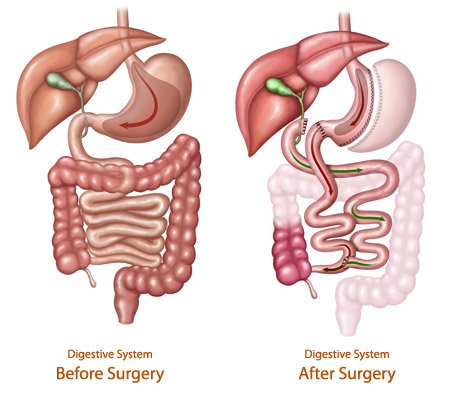
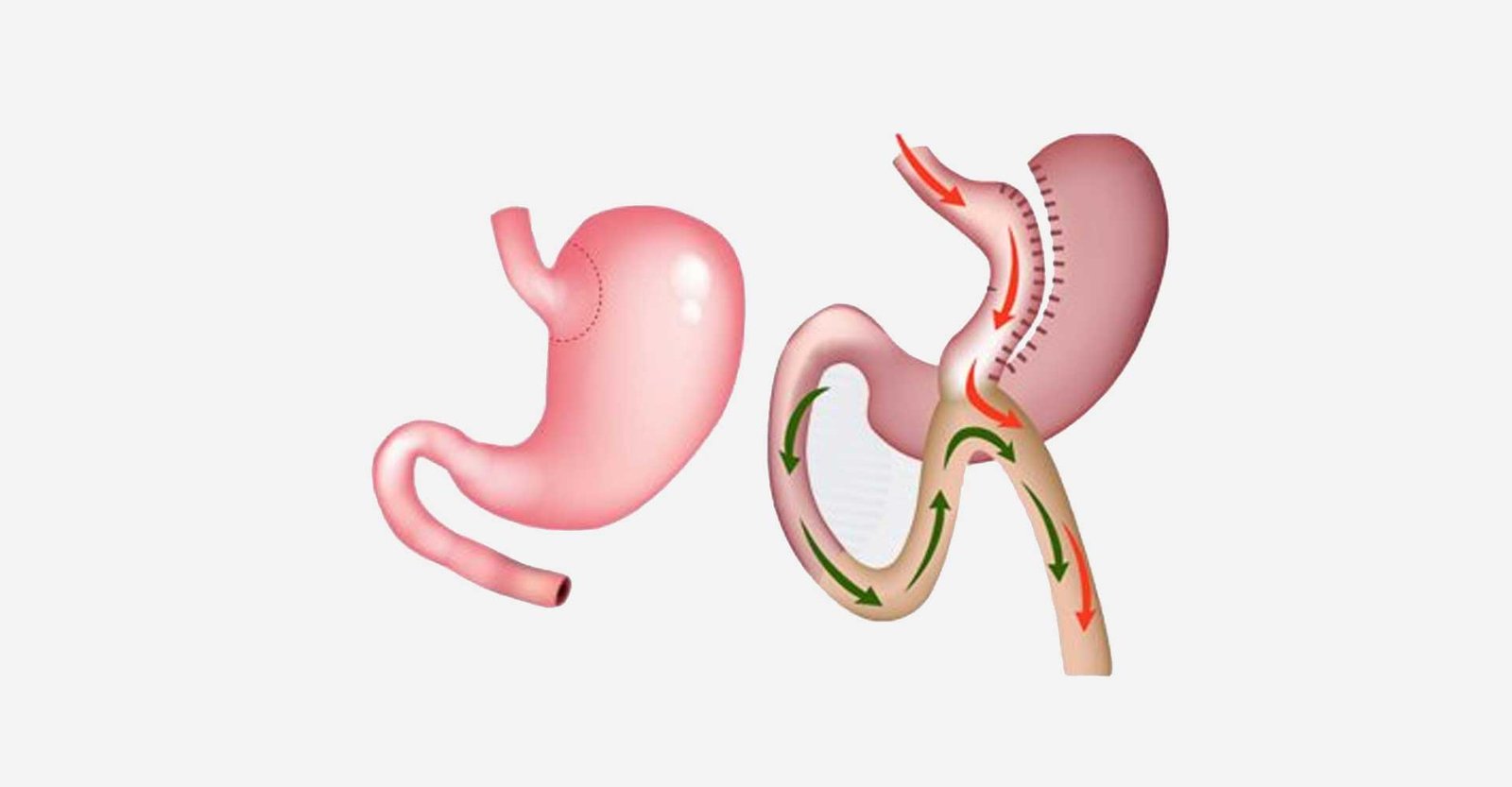
Bariatric and Metabolic Surgery encompasses advanced surgical interventions designed to treat severe obesity and associated metabolic conditions such as Type 2 diabetes, hypertension, sleep apnea, and fatty liver disease. Modern procedures—such as Laparoscopic Gastric Sleeve (Sleeve Gastrectomy), Roux-en-Y Gastric Bypass, and Mini Gastric Bypass—work by modifying the digestive tract to restrict food intake, reduce hunger-inducing hormones (like ghrelin), and decrease calorie absorption. Beyond substantial, long-term weight reduction, these procedures frequently lead to the clinical remission of metabolic disorders.

World-Class InfrastructureNABH/JCI accredited centers with global standards
Up to 80% SavingsDramatically lower cost than USA, UK, or Australia
Expert SpecialistsInternationally trained & board-certified specialists
Priority CareImmediate scheduler booking with zero waiting list

Specialist Doctor in India
500+ Top Specialists 20+ JCI & NABH Accredited Hospitals
SPECIALIZED CONDITIONS & PROCEDURES

Explore Bariatric & Metabolic Surgery Sub Categories

Explore dedicated sub-specialties with expert doctors, accredited hospital centers, and tailored treatment plans in India.

20 Sub Specialties Get Treatment Opinion
Sleeve Gastrectomy
Bariatric & Metabolic Surgery

Sleeve Gastrectomy

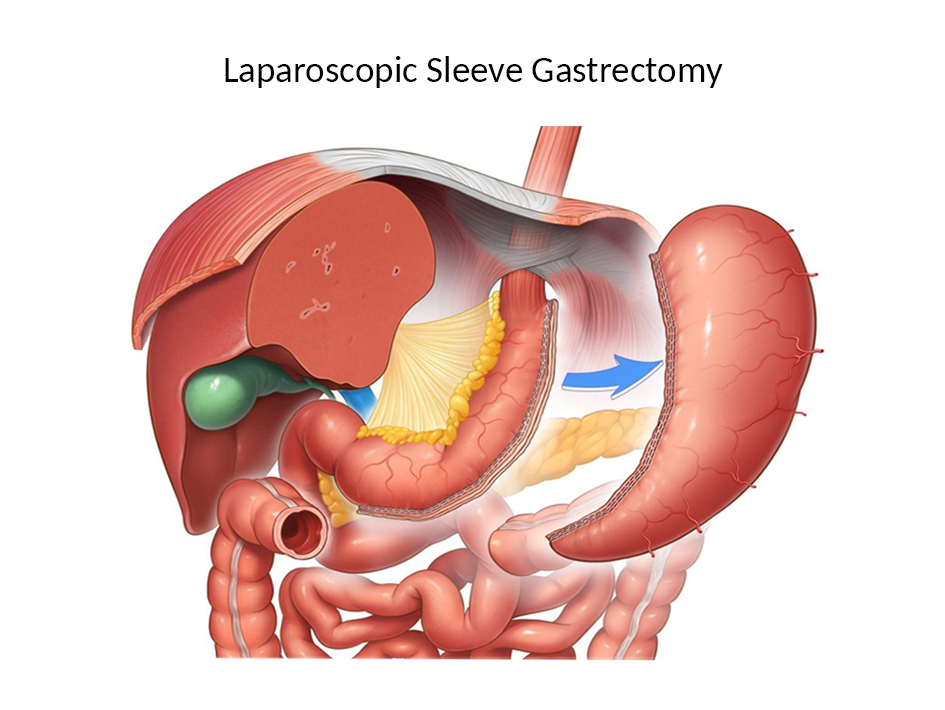
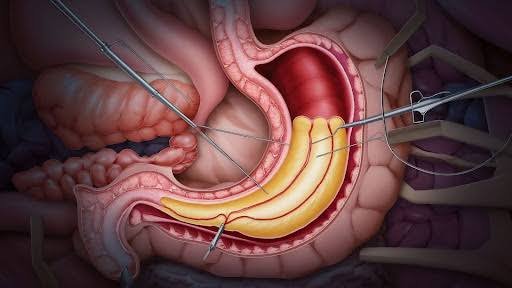
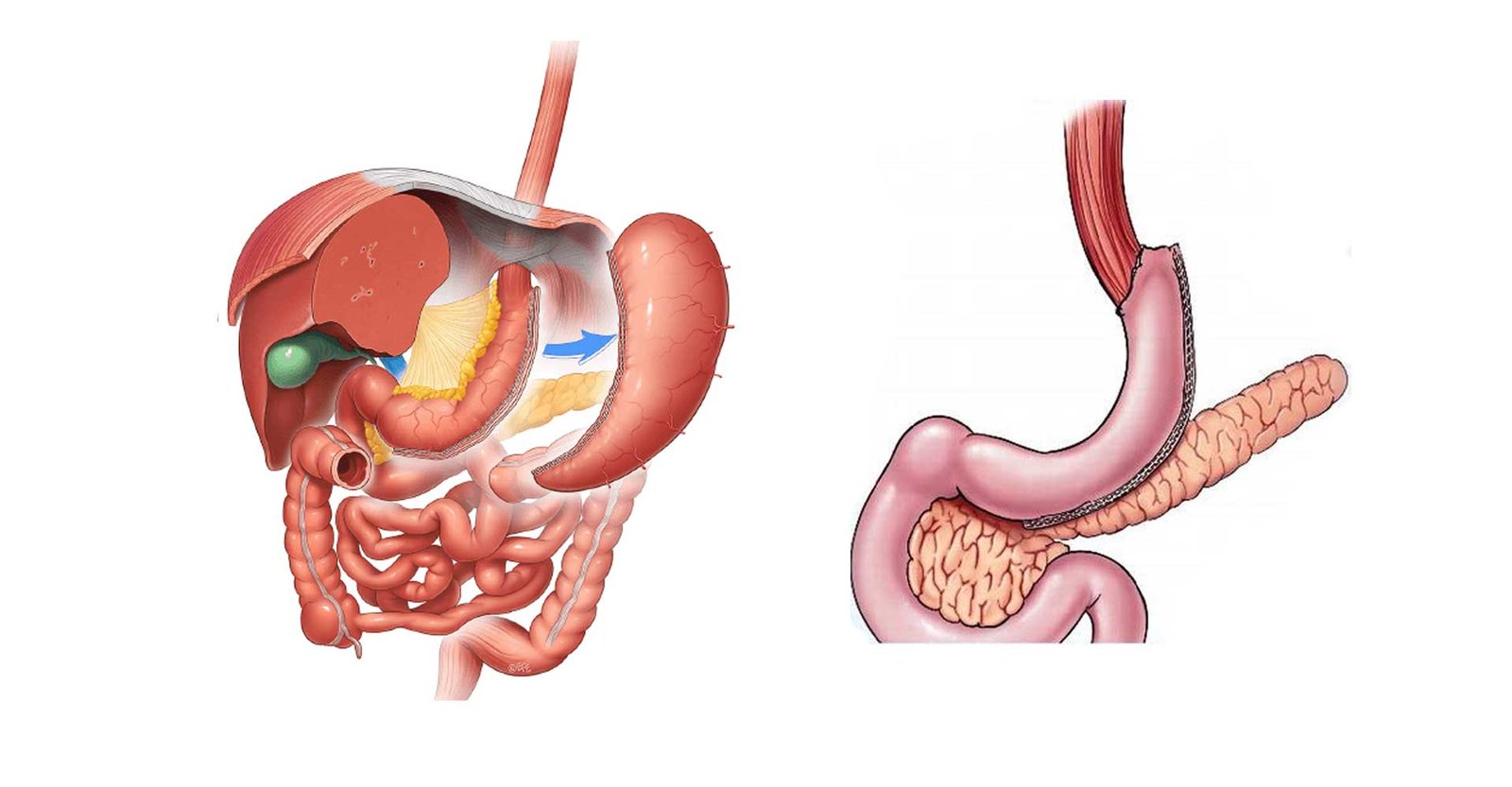
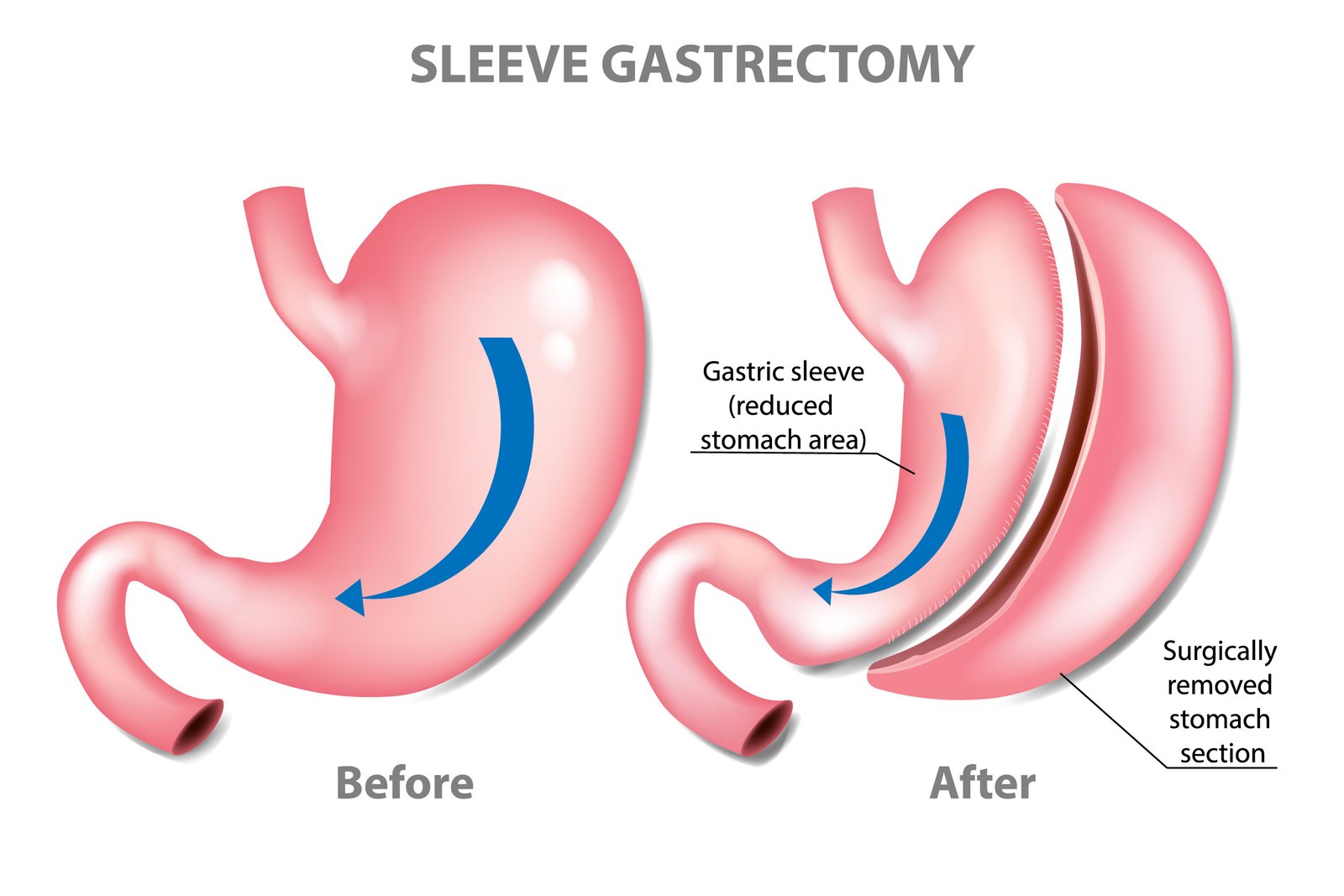
Sleeve gastrectomy is a type of weight-loss surgery (bariatric surgery) in which approximately 75–80% of the stomach is removed, leaving a narrow, tube-shaped stomach resembling a sleeve or banana.It helps people lose weight by reducing the amount of food they can eat and changing hormones involved in hunger and fullness.Who may be eligible?Eligibility depends on BMI, medical conditions, previous weight-loss treatments and local guidelines.People with severe obesity who have struggled to lose weight with nonsurgical treatment.People with obesity-related conditions such as type 2 diabetes, high blood pressure or sleep apnea.In some cases, people with a lower BMI and significant metabolic disease, following specialist assessment.BenefitsSignificant, often sustained weight loss.Improvement in type 2 diabetes and high blood pressure.Possible improvement in sleep apnea, mobility and quality of life.No intestinal bypass, unlike gastric bypass surgery.Many patients lose roughly 20–30% of their starting body weight over 1–2 years, although results vary.Risks and complicationsLike any major operation, sleeve gastrectomy has risks.Early risksBleeding or infection.Leakage from the staple line.Blood clots.Anesthetic complications.Long-term risksAcid reflux or worsening of existing reflux.Vitamin and mineral deficiencies.Weight regain.Narrowing or twisting of the stomach sleeve.Need for another procedure in some cases.

Duodenal Switch ( BPD / DS )
Bariatric & Metabolic Surgery

Duodenal Switch ( BPD / DS )

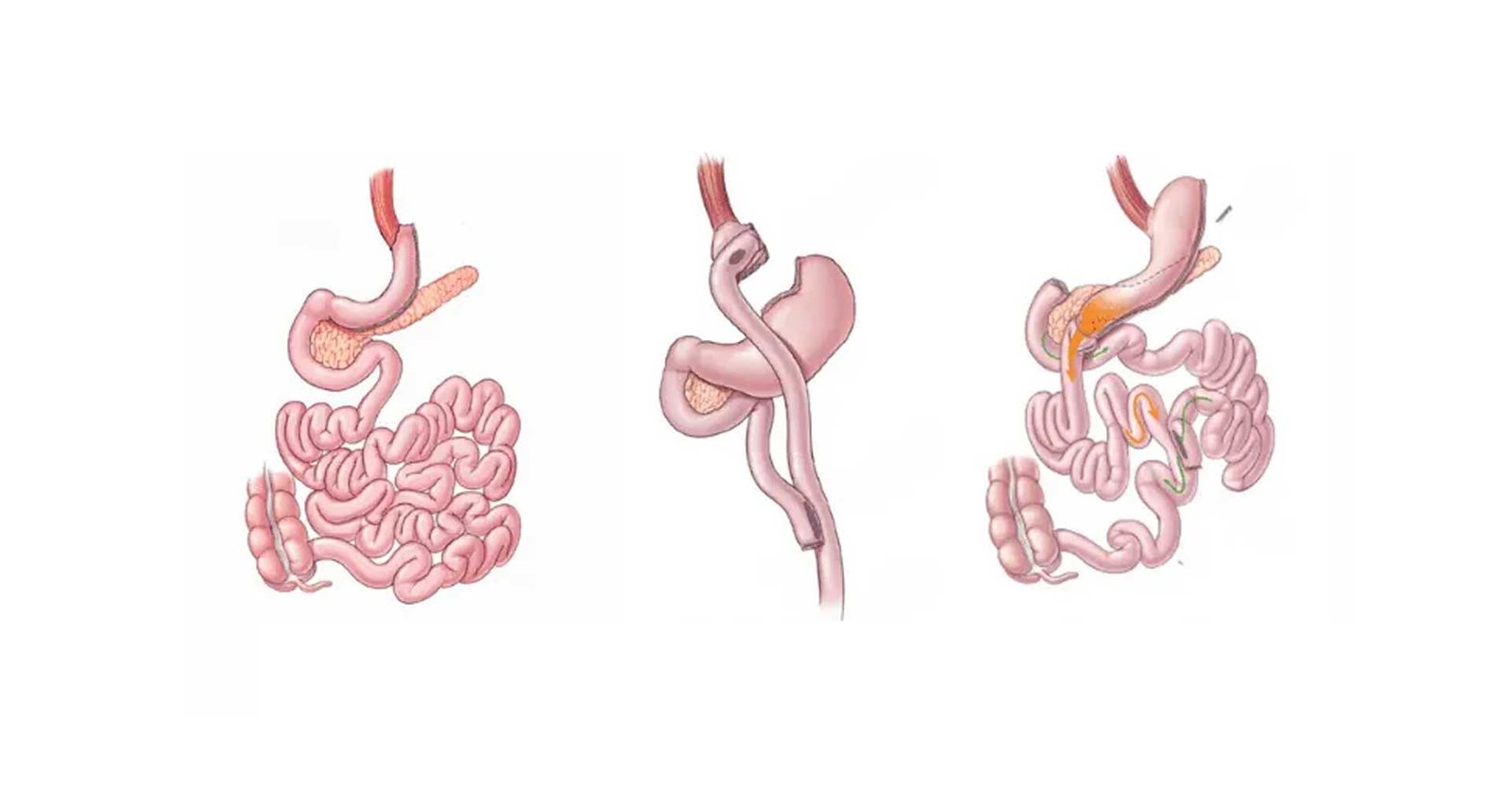
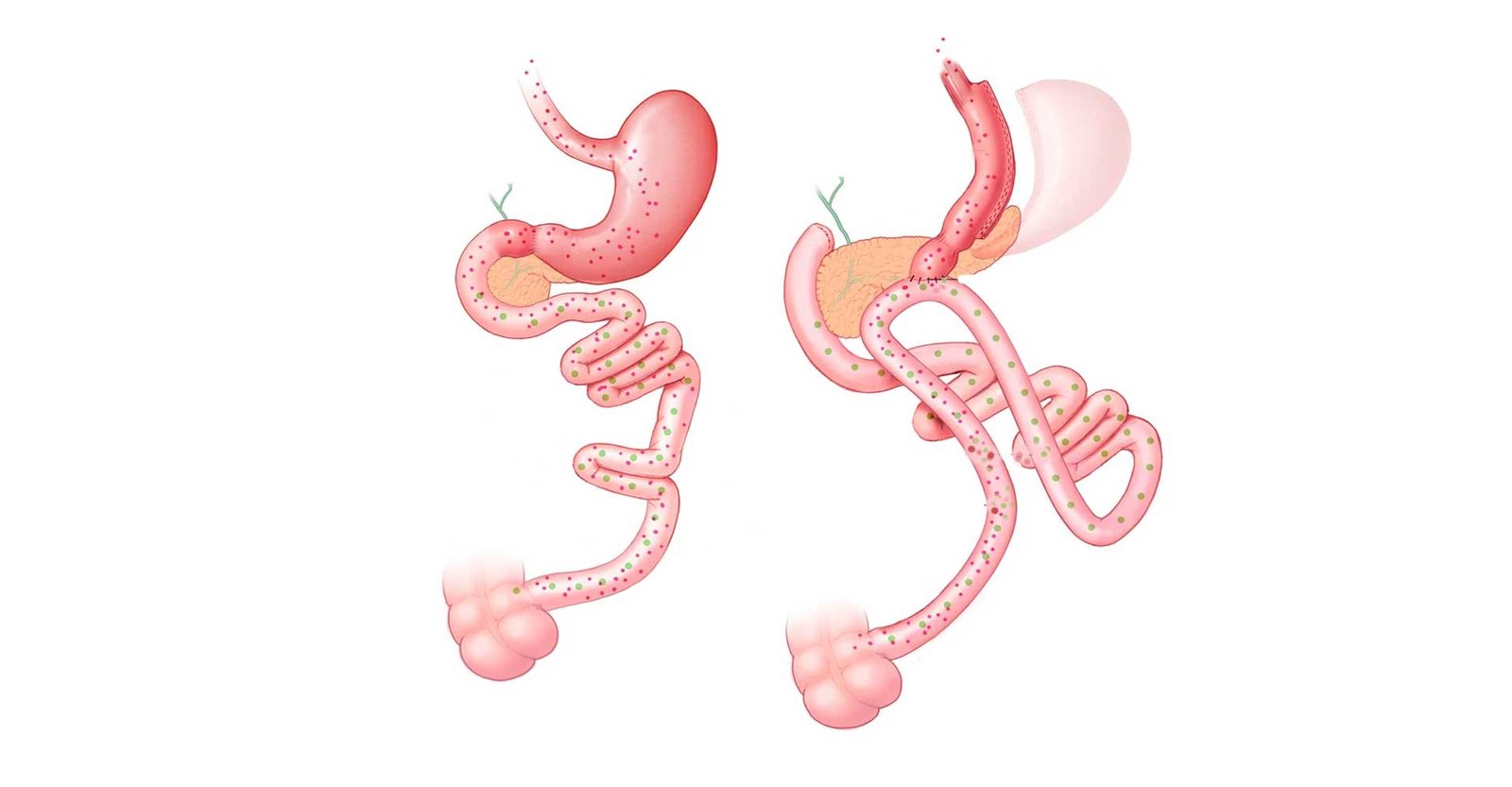
Duodenal Switch (DS), formally called Biliopancreatic Diversion with Duodenal Switch (BPD/DS), is a type of bariatric (weight-loss) surgery that combines two procedures:Sleeve gastrectomy — removes a large portion of the stomach.Intestinal bypass — reroutes the small intestine so food mixes with bile and pancreatic enzymes closer to the end of the small intestine.This reduces food intake and nutrient absorption, producing substantial weight loss.  2. Mechanism of weight lossBPD/DS works through three main mechanisms:Restriction: The smaller stomach limits the amount of food consumed.Malabsorption: Shortening the segment where food mixes with digestive enzymes reduces absorption of calories and nutrients, particularly fat.Hormonal and metabolic changes: Alterations in gut hormones and nutrient flow can improve satiety and blood glucose regulation.3. IndicationsBPD/DS may be considered for:Severe obesity, particularly when substantial weight loss is needed.Patients with a high BMI and obesity-related complications.Selected patients with difficult-to-control type 2 diabetes.Some patients requiring revisional bariatric surgery, depending on their previous procedure and clinical circumstances.Eligibility depends on individual assessment, current guidelines and the expertise of the bariatric team. 

One Anastomosis Gastric Bypass (OAGB / MGB)
Bariatric & Metabolic Surgery

One Anastomosis Gastric Bypass (OAGB / MGB)

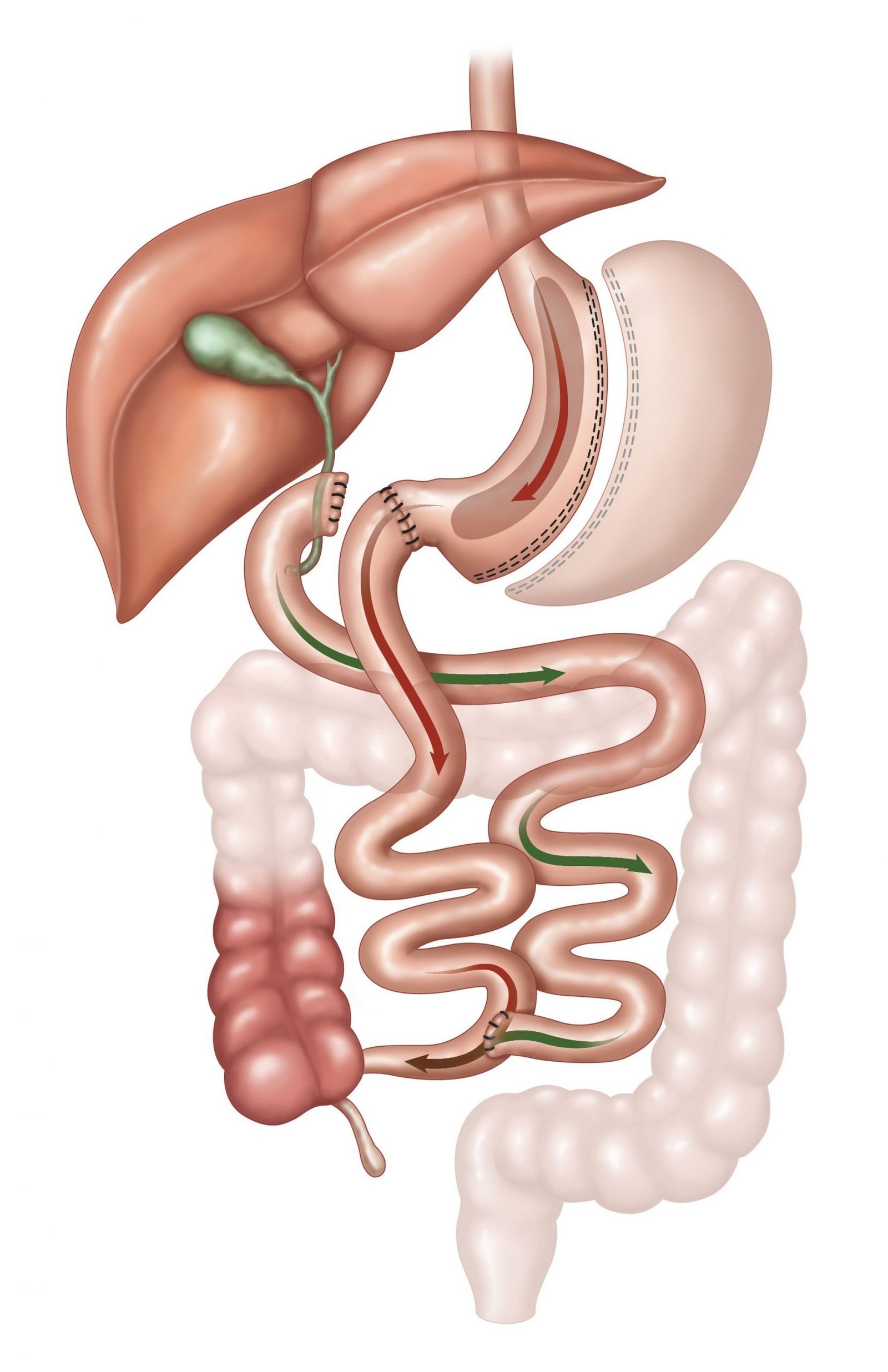
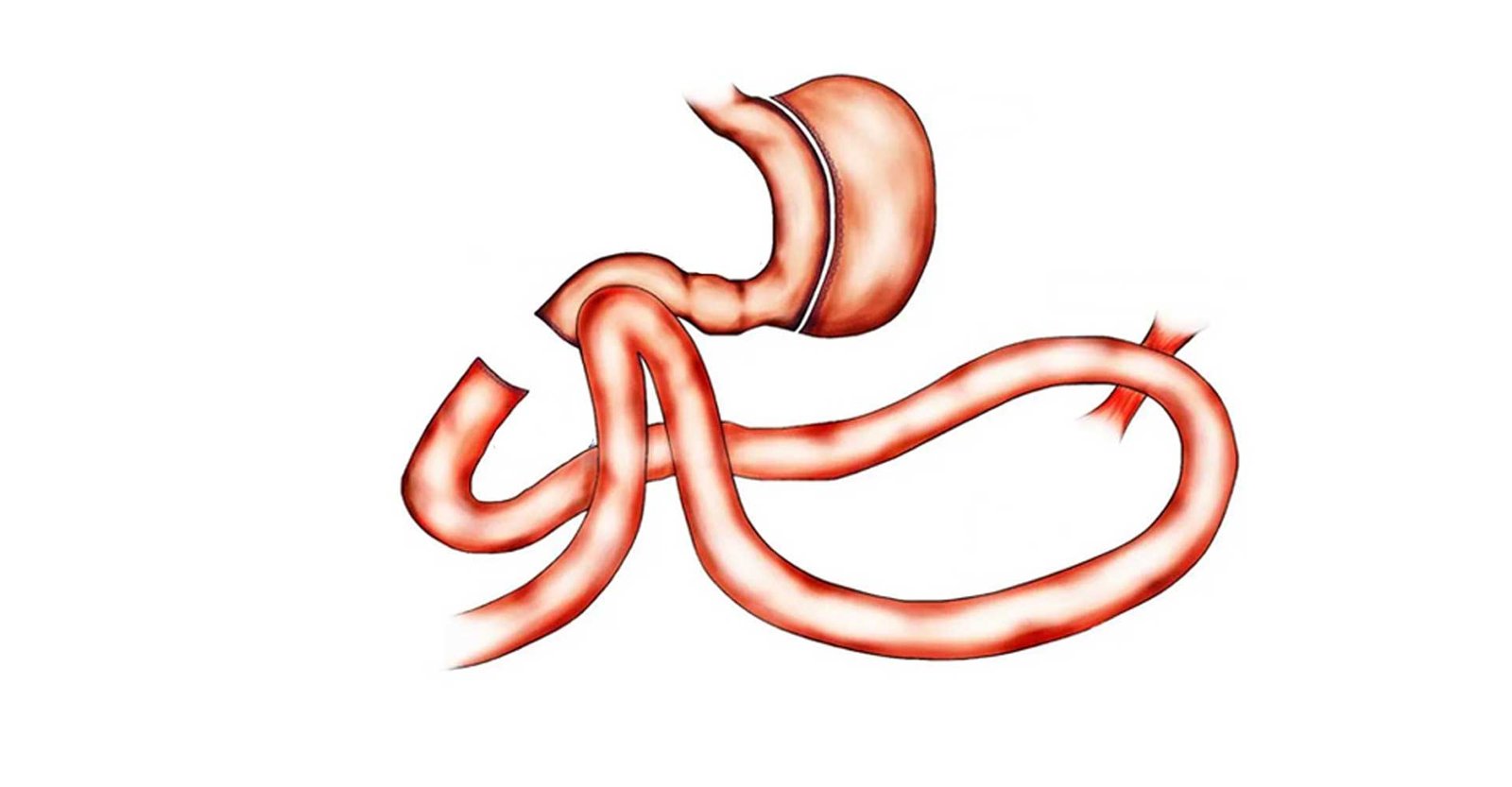
One Anastomosis Gastric Bypass (OAGB), also known as Mini Gastric Bypass (MGB), is a bariatric surgery that reduces stomach capacity and reroutes a portion of the small intestine to promote weight loss and improve obesity-related metabolic conditions. Key featuresOne anastomosis: Usually requires one connection between the stomach pouch and small intestine.Restrictive effect: The smaller stomach pouch limits food intake.Metabolic effect: Often improves type 2 diabetes and other obesity-related conditions.Malabsorptive effect: Bypassing part of the intestine reduces absorption of some nutrients and calories. 

Laparoscopic Sleeve Gastrectomy (LSG)
Bariatric & Metabolic Surgery

Laparoscopic Sleeve Gastrectomy (LSG)

One Anastomosis Gastric Bypass (OAGB), also known as Mini Gastric Bypass (MGB), is a bariatric surgery that reduces stomach capacity and reroutes a portion of the small intestine to promote weight loss and improve obesity-related metabolic conditions.  Key featuresOne anastomosis: Usually requires one connection between the stomach pouch and small intestine.Restrictive effect: The smaller stomach pouch limits food intake.Metabolic effect: Often improves type 2 diabetes and other obesity-related conditions.Malabsorptive effect: Bypassing part of the intestine reduces absorption of some nutrients and calories. 

Gastric Bypass ( Roux-en-Y )
Bariatric & Metabolic Surgery

Gastric Bypass ( Roux-en-Y )

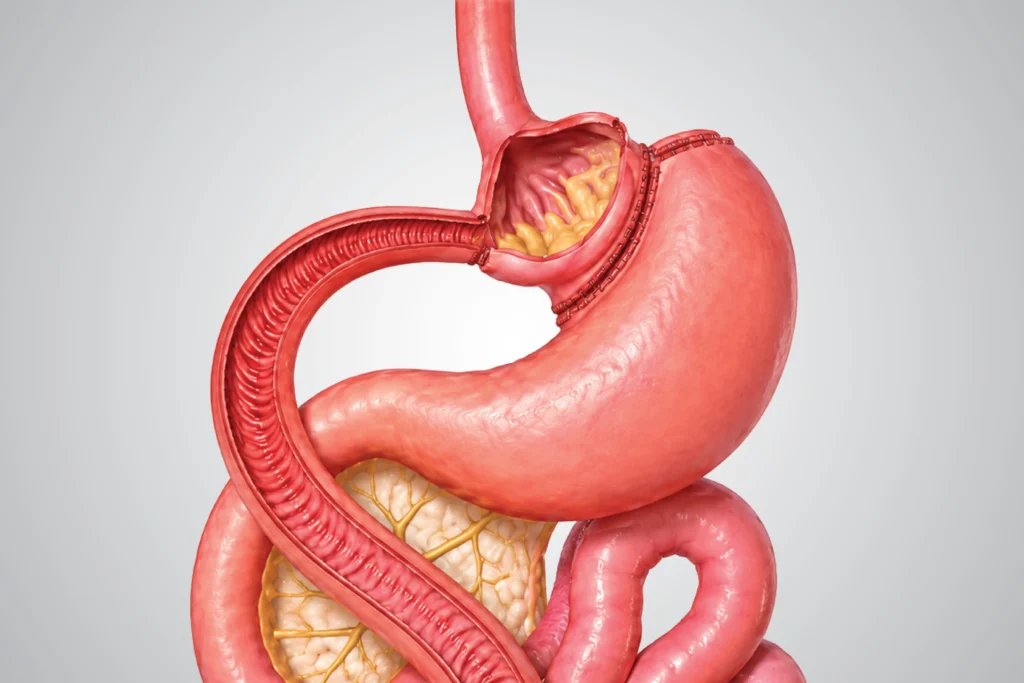
Roux-en-Y Gastric Bypass (RYGB) is a bariatric surgery that reduces the size of the stomach and reroutes part of the small intestine. It helps patients lose weight by limiting food intake, reducing absorption of some nutrients and changing gut hormones involved in appetite and blood sugar regulation.  Main mechanismsRestriction: The small pouch limits the amount of food eaten at one time.Hormonal changes: Gut hormones such as GLP-1 and PYY can increase satiety and improve glucose regulation.Reduced nutrient absorption: Some absorption is reduced because food bypasses the duodenum and part of the jejunum. 

Loop Duodenal Switch
Bariatric & Metabolic Surgery

Loop Duodenal Switch

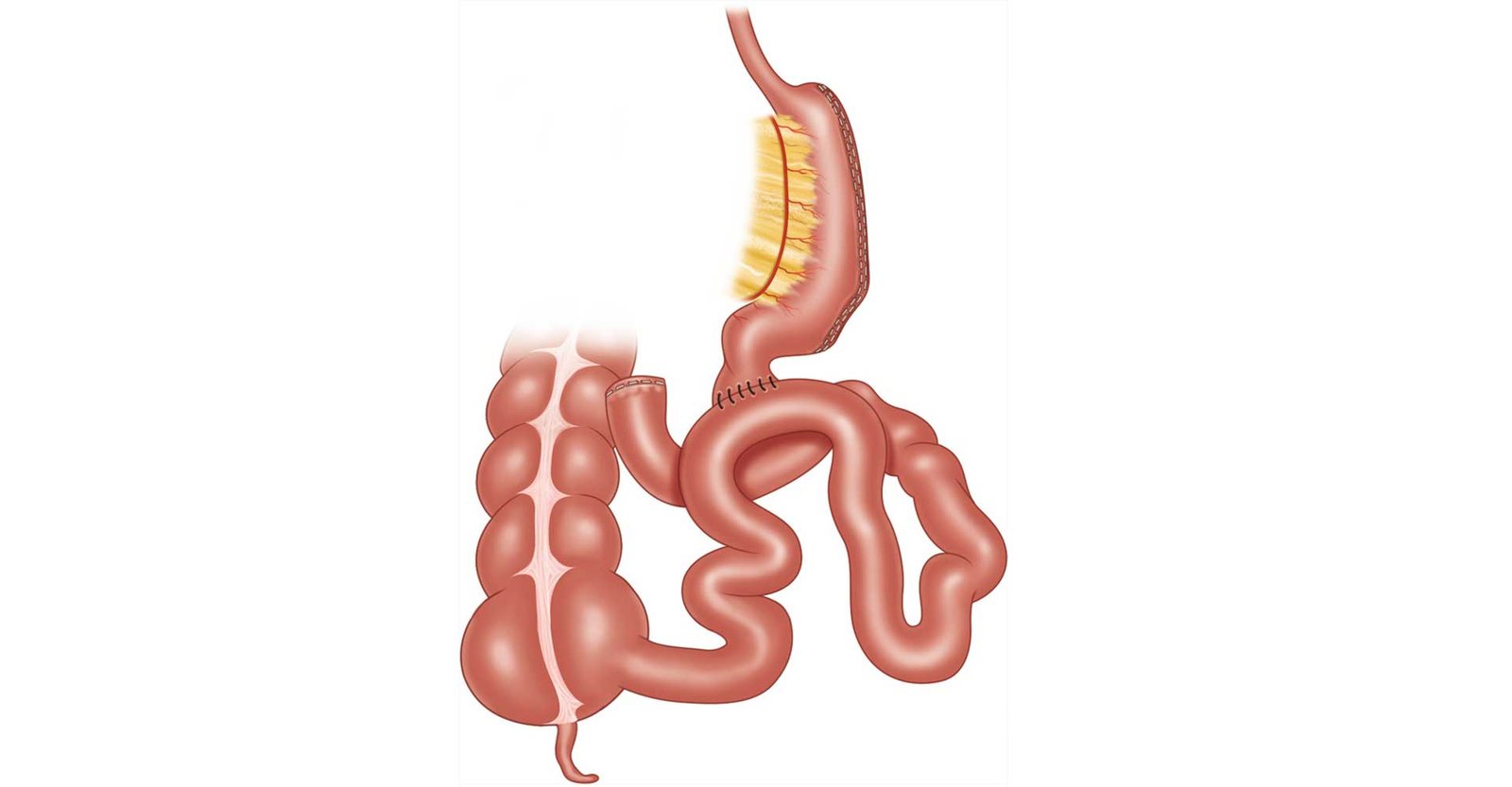
Loop Duodenal Switch, commonly referring to SADI-S (Single Anastomosis Duodeno-Ileal Bypass with Sleeve Gastrectomy), is a bariatric surgery that combines sleeve gastrectomy with a single intestinal connection. It helps achieve substantial weight loss and can improve obesity-related metabolic conditions.How does it promote weight loss?Restriction: The smaller stomach reduces meal capacity.Malabsorption: Food mixes with bile and pancreatic enzymes farther down the intestine, reducing absorption of calories and some nutrients.Hormonal effects: Changes in gut hormones can improve satiety and blood sugar control. Important: Loop duodenal switch is a major metabolic operation. Its benefits must be balanced against malabsorption and nutritional risks, and the precise intestinal configuration should be confirmed with the bariatric surgeon.

Mini-Gastric-Bypass-(MGB)
Bariatric & Metabolic Surgery

Mini-Gastric-Bypass-(MGB)

Mini-Gastric Bypass (MGB), also called One-Anastomosis Gastric Bypass (OAGB), is a type of weight-loss (bariatric) surgery. It helps people with obesity lose weight by reducing the size of the stomach and changing how food travels through the digestive system.How does MGB work? Smaller stomach: The surgeon creates a long, narrow stomach pouch, so you feel full after eating smaller portions.Intestinal bypass: The pouch is connected to a section of the small intestine, bypassing part of the digestive tract.Weight loss: You eat less, and changes in digestion and gut hormones also help with weight reduction.The procedure is usually performed laparoscopically, using small abdominal incisions.Benefits and expected weight lossAccording to patient information from the AethelCare and other medical sources, MGB can offer: Significant, sustained weight loss.Improvement in type 2 diabetes, high blood pressure and sleep apnoea.Reduced hunger and earlier fullness.A single connection between the stomach pouch and intestine, rather than the two connections used in Roux-en-Y gastric bypass.Many patients lose approximately 25–35% of their total body weight, although results vary.Risks and disadvantagesMGB is major surgery and has important potential risks:Bile reflux and heartburn.Bleeding, infection, blood clots or leakage from the surgical connection.Ulcers, dumping syndrome and bowel obstruction.Iron, vitamin B12, calcium, vitamin D and protein deficiencies.Need for lifelong supplements, regular blood tests and follow-up.Possible further surgery if significant complications develop.Recovery after surgeryRecovery varies by individual and the surgical centre. Many patients stay in hospital for around 1–2 days. Eating generally progresses from liquids to puréed and soft foods, then to regular textures according to the surgical team's instructions. Lifelong nutritional monitoring is essential.

Gastric Banding ( Lap – Band ) Surgery
Bariatric & Metabolic Surgery

Gastric Banding ( Lap – Band ) Surgery

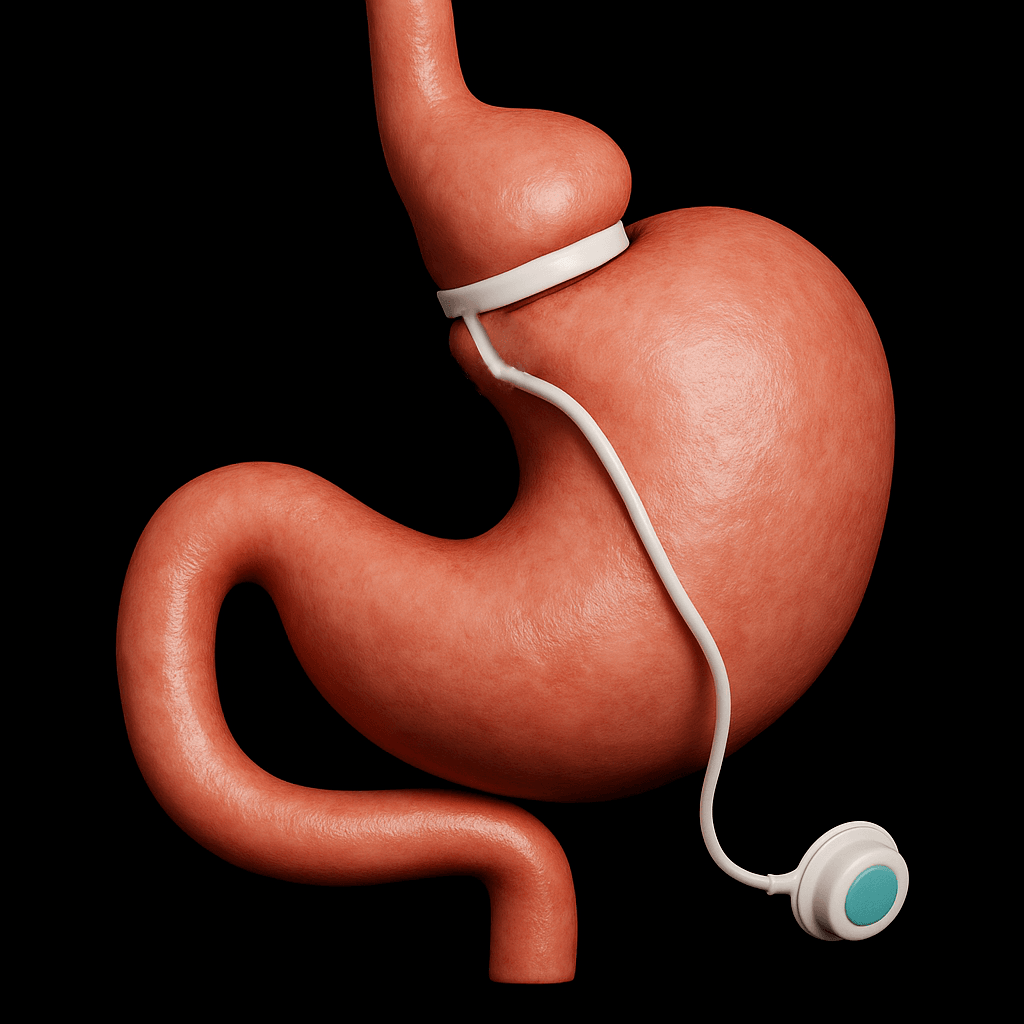
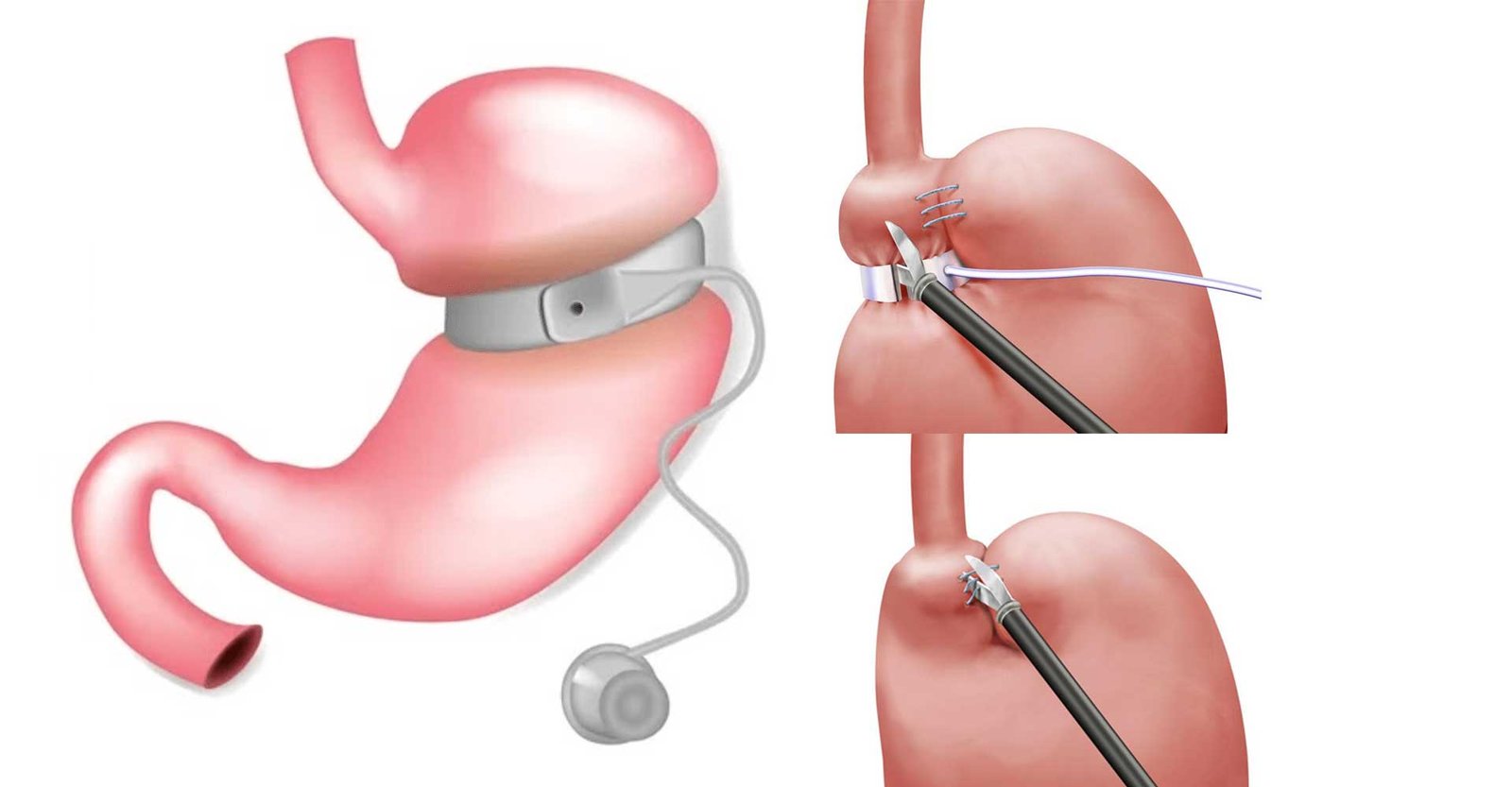
Gastric banding surgery, also known as laparoscopic adjustable gastric banding (LAGB) or Lap-Band surgery, is a type of bariatric surgery performed to help people with obesity lose weight.DefinitionIt is a minimally invasive surgical procedure in which an adjustable silicone band is placed around the upper part of the stomach to create a small pouch. This limits the amount of food the stomach can hold and helps the person feel full sooner.ProcedureThe patient is given general anesthesia.Small incisions are made in the abdomen.A laparoscope and surgical instruments are inserted.An adjustable silicone band is placed around the upper stomach.The band is connected by tubing to a small access port placed under the skin.The surgeon can adjust the tightness of the band by adding or removing saline through the port.Mechanism of actionCreates a small upper stomach pouch.Restricts the amount of food consumed at one time.Slows the passage of food into the lower stomach.Promotes early satiety and helps reduce calorie intake.AdvantagesNo part of the stomach or intestine is removed.The band is adjustable.The procedure is generally reversible.Usually involves a shorter initial recovery period than some other bariatric procedures.ComplicationsNausea and vomiting.Difficulty swallowing.Band slippage or erosion.Enlargement of the stomach pouch or esophagus.Infection or problems with the access port.Inadequate weight loss or weight regain.Possible need for another operation to remove or revise the band.Postoperative careStart with liquids and gradually progress to soft foods and then solid foods as directed.Eat small portions slowly and chew food thoroughly.Attend regular follow-up visits for band adjustments.Maintain adequate hydration and nutritional intake.Follow the prescribed diet and exercise plan.Important pointGastric banding does not remove stomach tissue, but it is performed less often today because long-term weight loss is generally less reliable and reoperation rates are higher than with procedures such as sleeve gastrectomy or Roux-en-Y gastric bypass.In summary: Gastric banding is a restrictive bariatric procedure that helps control food intake by placing an adjustable band around the upper stomach.

Gastric Band Removal
Bariatric & Metabolic Surgery

Gastric Band Removal

DefinitionGastric band removal is a surgical procedure to remove a previously placed laparoscopic adjustable gastric band (Lap-Band) from around the upper part of the stomach. It may be performed because of complications, inadequate weight loss, weight regain, or patient preference.IndicationsBand slippage or displacement.Band erosion into the stomach.Persistent nausea, vomiting, or difficulty swallowing.Gastric pouch or esophageal enlargement.Infection or leakage involving the access port or tubing.Inadequate weight loss or significant weight regain.Patient preference or conversion to another bariatric procedure.ProcedureGeneral anesthesia is administered.Small abdominal incisions are made for laparoscopic access.The surgeon identifies the gastric band, tubing, and access port.Adhesions and scar tissue are carefully dissected.The band is released from around the stomach and removed.The access port and connecting tubing are removed.Any stomach injury or erosion is assessed and repaired if necessary.The incisions are closed.Types of gastric band removalLaparoscopic removal: The band is removed using small incisions and a camera.Open removal: A larger incision may be required in complex cases.Removal with conversion surgery: The band is removed and another bariatric procedure, such as sleeve gastrectomy or gastric bypass, is performed either during the same operation or at a later date.ComplicationsBleeding.Infection.Injury to the stomach or esophagus.Leakage from the stomach if an injury or erosion is present.Adhesions and scar tissue.Anesthetic complications.Weight regain after removal.Postoperative careMonitor vital signs and pain.Observe for bleeding, fever, and abdominal pain.Follow the surgeon's instructions regarding diet progression.Maintain adequate hydration and attend follow-up appointments.Follow a nutritional and lifestyle plan to reduce the risk of weight regain.AdvantagesRelieves symptoms caused by a problematic gastric band.Removes a device associated with complications.Allows consideration of alternative weight-management treatments.May improve swallowing and eating difficulties caused by the band.

Bariatric Surgery ( Weight Loss Surgery )
Bariatric & Metabolic Surgery

Bariatric Surgery ( Weight Loss Surgery )

DefinitionBariatric surgery, also known as weight-loss surgery, is a group of surgical procedures performed to help people with obesity lose weight. These procedures work by reducing the stomach's capacity, changing the digestive pathway, or both.IndicationsBariatric surgery may be considered for people with obesity when appropriate medical treatment and lifestyle changes have not achieved sufficient results. Eligibility depends on BMI, obesity-related conditions, clinical guidelines, and individual assessment.Common indications include:Severe obesity.Type 2 diabetes mellitus associated with obesity.High blood pressure.Obstructive sleep apnea.Obesity-related joint problems.Other significant health problems associated with excess weight.General procedureThe patient undergoes a medical, nutritional, and psychological assessment.General anesthesia is administered.The surgeon performs the selected procedure, often using laparoscopic techniques.The stomach is reduced, the digestive pathway is altered, or both, depending on the procedure.The patient is monitored during recovery and gradually resumes oral intake according to the surgical team's instructions.AdvantagesSignificant and sustained weight loss for many patients.Improvement or remission of type 2 diabetes in some patients.Improvement in high blood pressure and sleep apnea.Improved mobility and quality of life.Reduced risk of some obesity-related health complications.Risks and complicationsBleeding and infection.Blood clots.Leakage from surgical connections or staple lines.Nausea, vomiting, or digestive problems.Nutritional deficiencies, including iron and vitamin B12 deficiency.Gallstones and possible weight regain.Rarely, serious or life-threatening complications.Postoperative careFollow a staged diet, progressing from liquids to solid foods as directed.Eat small portions and chew food thoroughly.Take prescribed vitamin and mineral supplements.Attend regular surgical and nutritional follow-ups.Exercise gradually as advised.Monitor weight, blood tests, and nutritional status over the long term.

Gastric Sleeve Surgery ( Sleeve Gastrectomy )
Bariatric & Metabolic Surgery

Gastric Sleeve Surgery ( Sleeve Gastrectomy )

DefinitionGastric sleeve surgery, also known as sleeve gastrectomy, is a bariatric (weight-loss) surgical procedure in which approximately 75–80% of the stomach is removed, leaving a narrow, tube-shaped stomach resembling a sleeve. It helps patients lose weight by reducing stomach capacity and altering appetite-related hormones.IndicationsObesity requiring surgical treatment.Difficulty achieving sufficient weight loss through nonsurgical methods.Type 2 diabetes associated with obesity.High blood pressure related to obesity.Obstructive sleep apnea.Other obesity-related health conditions.Eligibility is determined by a bariatric specialist based on BMI, medical history, and applicable clinical guidelines.ProcedureThe patient is placed under general anesthesia.Several small incisions are made in the abdomen.A laparoscope and surgical instruments are inserted.A surgical tube (bougie) may be used to guide the size of the new stomach.Approximately 75–80% of the stomach is removed using surgical stapling devices.The remaining stomach forms a narrow, sleeve-shaped tube.The staple line is assessed for bleeding or leakage.The incisions are closed.Mechanism of actionRestriction: Reduces the amount of food the stomach can hold.Hormonal changes: Reduces production of ghrelin, a hormone involved in hunger.Early satiety: Helps the patient feel full after eating smaller portions.Metabolic improvement: Can improve blood glucose control and other obesity-related conditions.AdvantagesSignificant weight loss for many patients.Improvement in type 2 diabetes and high blood pressure.No intestinal bypass is required.No implanted gastric band or device is needed.Can improve mobility and quality of life.ComplicationsEarly complicationsBleeding.Infection.Leakage from the stomach staple line.Blood clots.Anesthetic complications.Long-term complicationsGastroesophageal reflux disease (GERD) or worsening acid reflux.Vitamin and mineral deficiencies.Narrowing of the stomach sleeve.Vomiting or food intolerance.

Gastric Balloon Procedure For Weight Loss
Bariatric & Metabolic Surgery

Gastric Balloon Procedure For Weight Loss

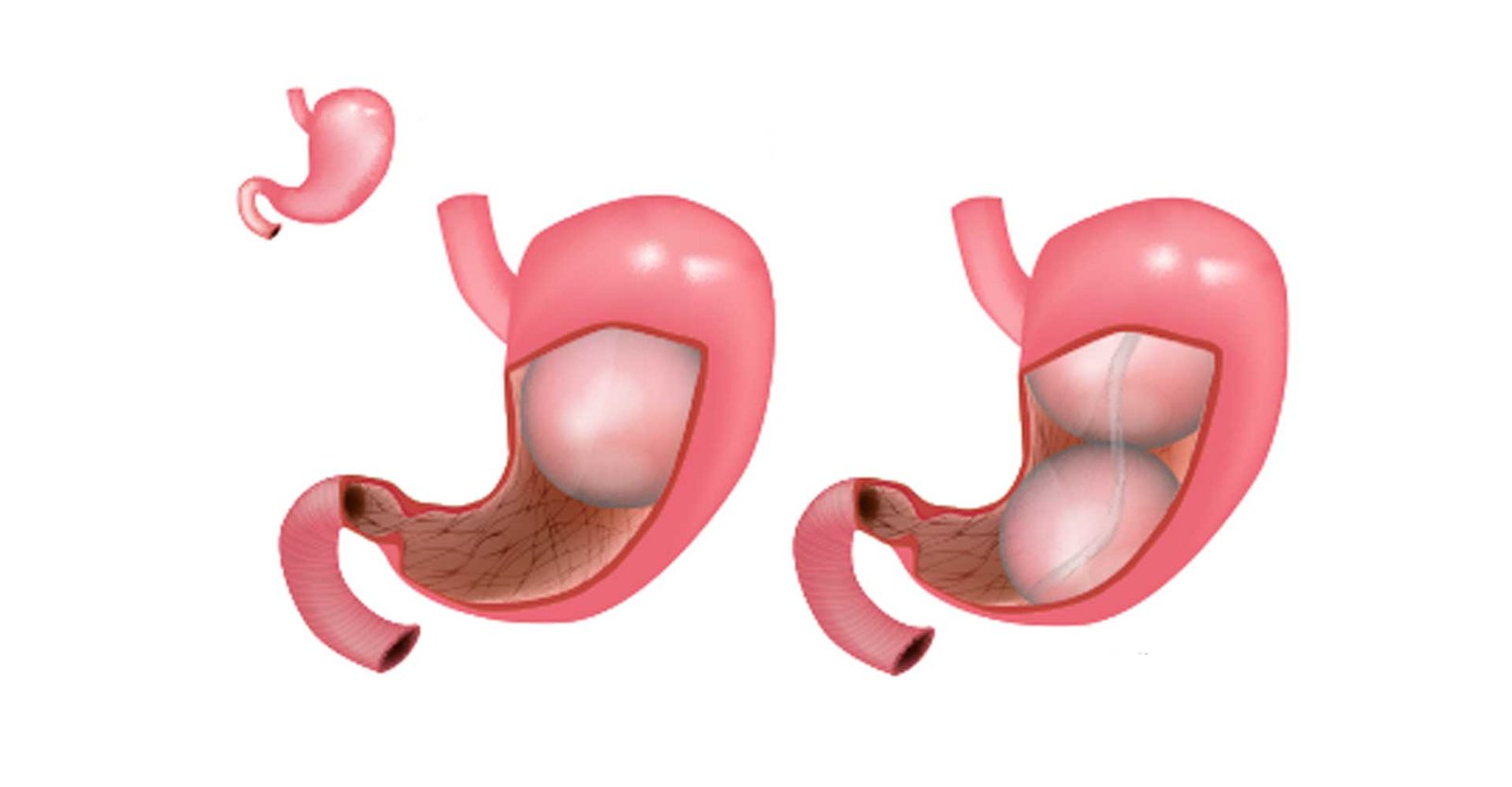
A gastric balloon procedure is a non-surgical weight-loss treatment in which a soft silicone balloon is placed inside the stomach to help patients feel full after eating smaller portions. It is designed to support weight management alongside a healthy diet, regular physical activity, and medical supervision.Key Benefits of Gastric Balloon TreatmentNon-surgical approach to weight management.Helps control portion sizes and food intake.Supports healthier eating habits.Temporary treatment without permanent changes to the stomach.Who Can Get a Gastric Balloon?Gastric balloon treatment may be suitable for adults with obesity who have struggled to lose weight through diet and exercise alone. Eligibility depends on BMI, medical history, existing health conditions, and the selected balloon system. A specialist assessment is necessary to determine suitability.Procedure and RecoveryThe balloon is placed using an endoscope or, with certain systems, a swallowable capsule. Patients may experience temporary nausea, vomiting, or abdominal discomfort after placement. A supervised diet, regular follow-up, and lifestyle changes are essential for successful weight management. The balloon must be removed or allowed to pass according to the specific device instructions.Gastric Balloon Treatment in IndiaIndia offers treatment options for international patients seeking medical weight-management services. Medical tourism providers can assist with specialist consultations, hospital coordination, treatment planning, and travel arrangements. Treatment costs and suitability vary depending on individual needs and the selected device.Frequently Asked QuestionsIs gastric balloon treatment surgery?No. It is generally a non-surgical procedure that does not require abdominal incisions.How long does a gastric balloon stay in the stomach?The duration depends on the balloon system and its approved instructions.Is gastric balloon treatment suitable for everyone?No. A qualified specialist must assess the patient's medical condition and eligibility.Can international patients get this treatment in India?Yes, eligible patients can explore treatment options in India after medical assessment and appropriate travel planning.Book a ConsultationContact our team to explore gastric balloon treatment options in India and receive assistance with specialist consultations and medical travel arrangements.Medical disclaimer: Treatment suitability, benefits, and risks should be discussed with a qualified healthcare professional.

Endoscopic Sleeve Gastrectomy (ESG)
Bariatric & Metabolic Surgery

Endoscopic Sleeve Gastrectomy (ESG)

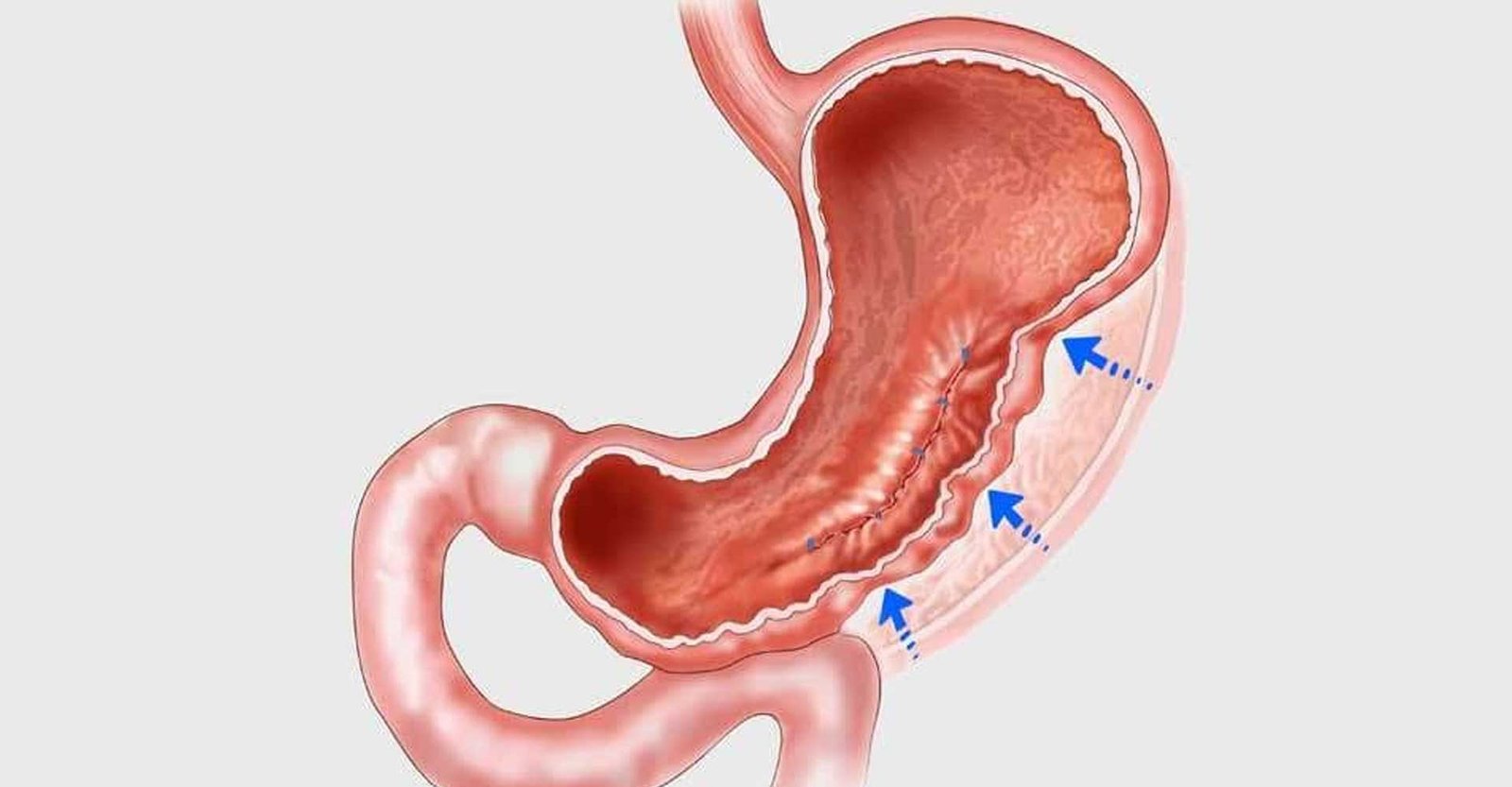
Endoscopic Sleeve Gastroplasty (ESG) is a minimally invasive, non-surgical weight-loss procedure that reduces the size of the stomach using endoscopic sutures. A flexible tube with a camera is passed through the mouth, allowing the specialist to reshape the stomach without external incisions. This helps patients feel full sooner and consume smaller portions. <Cite refs={["turn599169search1","turn599169search3"]}/>Key Benefits of ESGNo external surgical incisions.Helps control portion sizes and food intake.Supports weight loss and obesity management.Generally offers a shorter recovery than traditional bariatric surgery.May improve certain obesity-related health conditions.Who Can Get ESG Treatment?ESG may be suitable for adults with obesity, often with a BMI of 30 or above, who have not achieved lasting weight loss through diet and exercise alone. It may also be considered by patients seeking an alternative to conventional bariatric surgery. Eligibility depends on medical history, existing health conditions, and specialist assessment. <Cite refs={["turn599169search0","turn599169search1"]}/>Procedure and RecoveryThe procedure is performed under anaesthesia using an endoscope and specialised suturing equipment to reduce the stomach's internal capacity. Patients usually begin with a liquid diet before gradually progressing to soft and solid foods under medical guidance. Temporary nausea, abdominal discomfort, and vomiting may occur. Regular follow-up, healthy eating, and physical activity are essential for long-term results. <Cite refs={["turn599169search3","turn599169search6"]}/>ESG Treatment in IndiaIndia offers options for international patients seeking endoscopic weight-loss treatment. Medical tourism providers can assist with specialist consultations, hospital coordination, treatment planning, accommodation, and travel arrangements.Frequently Asked QuestionsIs ESG a surgical procedure?ESG is performed through the mouth without external incisions and is generally considered a non-surgical endoscopic procedure.How much weight can I lose with ESG?Weight loss varies depending on individual health factors and lifestyle changes. Results cannot be guaranteed.Is ESG suitable for everyone?No. A qualified specialist must assess each patient's eligibility, medical history, and potential risks.Book a ConsultationContact our team to explore Endoscopic Sleeve Gastroplasty in India and receive assistance with specialist consultations and treatment planning.

SADI-S Surgery
Bariatric & Metabolic Surgery

SADI-S Surgery

SADI-S (Single Anastomosis Duodeno-Ileal Bypass with Sleeve Gastrectomy) is a bariatric weight-loss surgery that combines sleeve gastrectomy with an intestinal bypass. It reduces stomach size and limits calorie absorption to support significant weight loss and improve certain obesity-related health conditions. <Cite refs={["turn372547search0","turn372547search2"]}/>Key Benefits of SADI-S SurgerySupports significant weight loss.May help improve type 2 diabetes and high blood pressure.Reduces food intake by creating a smaller stomach.Alters calorie absorption through intestinal bypass.Who Can Get SADI-S Surgery?SADI-S may be considered for adults with severe obesity who have not achieved lasting results through other weight-management methods. It may also be an option for selected patients who have regained weight after sleeve gastrectomy. Eligibility depends on BMI, medical history, overall health, and specialist assessment.Procedure and RecoveryThe surgery is generally performed laparoscopically under general anaesthesia. The surgeon creates a smaller, sleeve-shaped stomach and connects the small intestine to the duodenum through a single intestinal connection. Recovery includes a gradual diet progression, regular follow-up, and lifelong vitamin and mineral supplementation to prevent nutritional deficiencies. <Cite refs={["turn372547search2","turn372547search8"]}/>SADI-S Surgery in IndiaIndia offers bariatric surgery options for international patients seeking obesity treatment. Medical tourism providers can assist with specialist consultations, hospital coordination, treatment planning, accommodation, and travel arrangements.Frequently Asked QuestionsIs SADI-S surgery effective for weight loss?It can support substantial weight loss, but individual results vary.Is SADI-S surgery reversible?It involves permanent changes to the stomach and intestine and should be considered major surgery.Will I need vitamins after surgery?Yes. Lifelong supplements and regular nutritional monitoring are essential.Book a ConsultationContact our team to explore SADI-S surgery in India and receive assistance with specialist consultations and treatment planning.

Ileal Interposition
Bariatric & Metabolic Surgery

Ileal Interposition

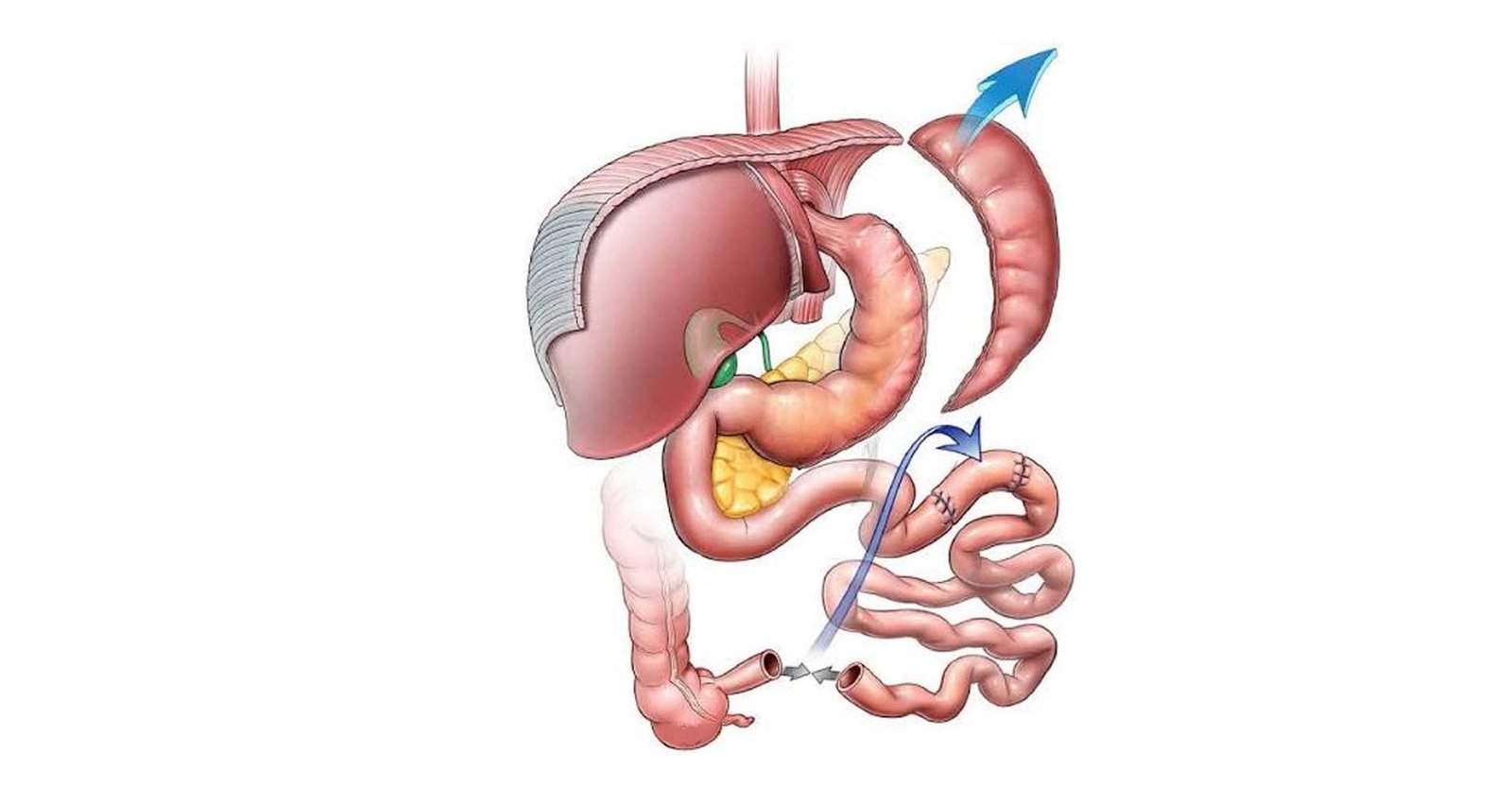
Ileal Interposition is a metabolic surgery that involves repositioning a segment of the ileum (the last part of the small intestine) to an earlier section of the digestive tract. It is often combined with sleeve gastrectomy and is designed primarily to help improve blood sugar control in selected patients with type 2 diabetes. <Cite refs={["turn897724search3","turn897724search8"]}/>Key Benefits of Ileal InterpositionMay improve blood sugar control in selected patients.May support weight loss when combined with sleeve gastrectomy.May help improve certain metabolic conditions.Can reduce the need for diabetes medication in some patients, under medical supervision.Who Can Get Ileal Interposition Surgery?This procedure may be considered for selected patients with type 2 diabetes who have difficulty controlling blood sugar despite medical treatment. Suitability depends on diabetes duration, pancreatic function, BMI, overall health, and specialist assessment.Procedure and RecoveryThe procedure is generally performed using laparoscopic surgery under general anaesthesia. The surgeon repositions a segment of the small intestine and may perform a sleeve gastrectomy as part of the treatment. Recovery involves a gradual diet plan, regular blood sugar monitoring, and long-term medical follow-up. Nutritional deficiencies and surgical complications must be monitored.Ileal Interposition Surgery in IndiaInternational patients can explore metabolic surgery options in India. Medical tourism providers may assist with specialist consultations, hospital coordination, treatment planning, accommodation, and travel arrangements.Frequently Asked QuestionsIs ileal interposition a weight-loss surgery?It is primarily a metabolic procedure and may also support weight loss, particularly when combined with sleeve gastrectomy.Can it cure type 2 diabetes?Some patients may achieve diabetes remission, but results vary and remission is not guaranteed.Is ileal interposition suitable for everyone?No. It is a specialised procedure with limited long-term evidence and requires careful assessment by an experienced metabolic surgeon.Book a ConsultationContact our team to explore metabolic surgery options in India and arrange a consultation with a qualified specialist.

Duodenojejunal Bypass (DJB)
Bariatric & Metabolic Surgery

Duodenojejunal Bypass (DJB)

Duodenojejunal Bypass (DJB) is a metabolic surgical procedure that reroutes food from the duodenum (the first part of the small intestine) to the jejunum (the next section). It is designed to influence blood sugar regulation and may be combined with sleeve gastrectomy for selected patients with obesity and type 2 diabetes.Key Benefits of DJB SurgeryMay improve blood sugar control in selected patients.May support weight loss when combined with sleeve gastrectomy.May help manage certain obesity-related metabolic conditions.Can potentially reduce the need for diabetes medication under medical supervision.Who Can Get DJB Surgery?DJB may be considered for selected patients with type 2 diabetes, particularly those who have difficulty achieving adequate blood sugar control with conventional treatment. Eligibility depends on BMI, diabetes history, overall health, and specialist assessment.Procedure and RecoveryThe procedure is generally performed using laparoscopic surgery under general anaesthesia. The surgeon creates a connection that allows food to bypass the duodenum. Recovery involves a gradual diet plan, blood sugar monitoring, and regular medical follow-up. The exact technique depends on whether DJB is performed alone or combined with sleeve gastrectomy.DJB Surgery in IndiaInternational patients can explore metabolic surgery options in India. Medical tourism providers may assist with specialist consultations, hospital coordination, treatment planning, accommodation, and travel arrangements.Frequently Asked QuestionsCan DJB surgery help with type 2 diabetes?It may improve blood sugar control in selected patients, but results vary and diabetes remission is not guaranteed.Is DJB surgery a weight-loss procedure?It may support weight loss, particularly when combined with sleeve gastrectomy.Is DJB suitable for everyone?No. A qualified metabolic surgeon must assess eligibility, benefits, and potential risks.Book a ConsultationContact our team to explore metabolic surgery options in India and arrange a consultation with a qualified specialist.

Sleeve Gastrectomy with Duodenojejunal Bypass
Bariatric & Metabolic Surgery

Sleeve Gastrectomy with Duodenojejunal Bypass

Sleeve Gastrectomy with Duodenojejunal Bypass (SG-DJB) is a bariatric and metabolic surgery that combines stomach reduction with an intestinal bypass. The procedure reduces stomach size and reroutes food from the duodenum to the jejunum, helping support weight loss and improve blood sugar control in selected patients. <Cite refs={["turn942021search1","turn942021search8"]}/>Key Benefits of SG-DJB SurgerySupports weight loss and obesity management.May improve blood sugar control in patients with type 2 diabetes.Helps reduce food intake through stomach reduction.May improve certain obesity-related health conditions.Who Can Get SG-DJB Surgery?This procedure may be considered for selected patients with obesity, particularly those with type 2 diabetes that is difficult to control. Eligibility depends on BMI, medical history, existing health conditions, and assessment by an experienced bariatric surgeon.Procedure and RecoveryThe surgery is generally performed laparoscopically under general anaesthesia. The surgeon creates a smaller, sleeve-shaped stomach and connects the duodenum to the jejunum to bypass part of the small intestine. Recovery involves a gradual diet plan, regular follow-up, blood sugar monitoring, and nutritional supplementation as advised.SG-DJB Surgery in IndiaInternational patients can explore bariatric and metabolic surgery options in India. Medical tourism providers may assist with specialist consultations, hospital coordination, treatment planning, accommodation, and travel arrangements.Frequently Asked QuestionsCan SG-DJB surgery help with diabetes?It may improve blood sugar control in selected patients, but results vary and remission is not guaranteed.Is SG-DJB surgery suitable for everyone?No. A specialist must assess each patient's health, eligibility, and potential risks.Will I need follow-up after surgery?Yes. Regular medical reviews, nutritional monitoring, and dietary guidance are essential.Book a ConsultationContact our team to explore Sleeve Gastrectomy with Duodenojejunal Bypass in India and receive assistance with specialist consultations and treatment planning.

Transit Bipartition Surgery
Bariatric & Metabolic Surgery

Transit Bipartition Surgery

Transit Bipartition Surgery is a bariatric and metabolic procedure that combines sleeve gastrectomy with an intestinal bypass. It reduces stomach size and creates an additional route for food to reach the lower part of the small intestine. The procedure aims to support weight loss and improve blood sugar control in selected patients with obesity and type 2 diabetes. <Cite refs={["turn779563search0","turn779563search8"]}/>Key Benefits of Transit Bipartition SurgerySupports weight loss and obesity management.May improve blood sugar control in type 2 diabetes.Helps reduce food intake through stomach reduction.May improve certain obesity-related metabolic conditions.Who Can Get Transit Bipartition Surgery?The procedure may be considered for selected adults with obesity, particularly those with type 2 diabetes who have not achieved adequate results with conventional treatments. Eligibility depends on BMI, medical history, pancreatic function, and overall health.Procedure and RecoveryThe surgery is generally performed laparoscopically under general anaesthesia. The surgeon creates a sleeve-shaped stomach and connects part of the small intestine to the stomach, creating an additional pathway for food. Recovery involves a gradual diet plan, regular medical follow-up, and lifelong nutritional monitoring.Transit Bipartition Surgery in IndiaInternational patients can explore bariatric and metabolic surgery options in India. Medical tourism providers may assist with specialist consultations, hospital coordination, treatment planning, accommodation, and travel arrangements.Frequently Asked QuestionsCan Transit Bipartition Surgery help with diabetes?It may improve blood sugar control in selected patients, but results vary and remission is not guaranteed.Is Transit Bipartition Surgery suitable for everyone?No. A qualified bariatric surgeon must assess eligibility, benefits, and potential risks.Will I need vitamins after surgery?Long-term nutritional monitoring and vitamin or mineral supplements may be necessary.Book a ConsultationContact our team to explore Transit Bipartition Surgery in India and receive assistance with specialist consultations and treatment planning.

SASI Bypass
Bariatric & Metabolic Surgery

SASI Bypass

SASI (Single Anastomosis Sleeve Ileal) Bypass is a bariatric and metabolic surgery that combines sleeve gastrectomy with an intestinal bypass. The procedure reduces stomach size and creates an additional pathway connecting the stomach to the ileum, helping support weight loss and improve blood sugar control in selected patients. <Cite refs={["turn658131search3","turn658131search4"]}/>Key Benefits of SASI BypassSupports weight loss and obesity management.May improve blood sugar control in patients with type 2 diabetes.Helps reduce food intake through stomach reduction.May improve certain obesity-related health conditions.Who Can Get SASI Bypass Surgery?SASI bypass may be considered for adults with obesity who have not achieved sufficient results through conventional weight-management methods. Selected patients with type 2 diabetes may also benefit. Eligibility depends on BMI, medical history, nutritional status, and specialist assessment.Procedure and RecoveryThe surgery is generally performed laparoscopically under general anaesthesia. The surgeon creates a sleeve-shaped stomach and connects it to a section of the ileum, allowing food to travel through two pathways. Recovery includes a gradual diet plan, regular medical follow-up, and long-term vitamin and mineral monitoring. <Cite refs={["turn658131search3","turn658131search1"]}/>SASI Bypass Surgery in IndiaInternational patients can explore bariatric surgery options in India. Medical tourism providers may assist with specialist consultations, hospital coordination, treatment planning, accommodation, and travel arrangements.Frequently Asked QuestionsCan SASI bypass help with diabetes?It may improve blood sugar control in selected patients, but results vary and remission is not guaranteed.Is SASI bypass suitable for everyone?No. A qualified bariatric surgeon must assess each patient's eligibility and potential risks.Will I need supplements after surgery?Long-term nutritional monitoring and vitamin or mineral supplements are generally important.

Single Anastomosis Duodeno-Ileal Bypass (SADI)
Bariatric & Metabolic Surgery

Single Anastomosis Duodeno-Ileal Bypass (SADI)

Single Anastomosis Duodeno-Ileal Bypass (SADI) is a bariatric and metabolic surgery that combines sleeve gastrectomy with an intestinal bypass. The procedure reduces stomach size and connects the duodenum to the ileum, helping limit food intake and nutrient absorption to support weight loss and improve certain obesity-related health conditions. <Cite refs={["turn891993search0","turn891993search2"]}/>Key Benefits of SADI SurgerySupports significant weight loss.May improve blood sugar control in patients with type 2 diabetes.Helps reduce food intake through stomach reduction.May improve certain obesity-related conditions.Who Can Get SADI Surgery?SADI may be considered for adults with severe obesity or selected patients who have not achieved sufficient results from previous weight-loss treatments. Eligibility depends on BMI, medical history, existing health conditions, and assessment by an experienced bariatric surgeon.Procedure and RecoveryThe surgery is generally performed laparoscopically under general anaesthesia. The surgeon creates a sleeve-shaped stomach and connects the duodenum to a loop of the small intestine. Recovery involves a gradual diet plan, regular medical follow-up, and lifelong vitamin and mineral supplementation to help prevent nutritional deficiencies.SADI Surgery in IndiaInternational patients can explore bariatric surgery options in India. Medical tourism providers may assist with specialist consultations, hospital coordination, treatment planning, accommodation, and travel arrangements.Frequently Asked QuestionsCan SADI surgery help with diabetes?It may improve blood sugar control in selected patients, but results vary and remission is not guaranteed.Is SADI surgery suitable for everyone?No. A qualified bariatric surgeon must assess each patient's eligibility and potential risks.Will I need supplements after surgery?Yes. Lifelong nutritional monitoring and vitamin and mineral supplementation are essential.Book a ConsultationContact our team to explore SADI surgery in India and receive assistance with specialist consultations and treatment planning.

OUR SPECIALISTS

Top Specialists in Bariatric & Metabolic Surgery

View All Doctors
Principal Director & Head – Orthopaedics & Spine Spine Surgery | Orthopaedics | Joint Replacement

Dr. (Prof.) Bhavuk Garg

Academic Qualifications & Advanced Training Dr. Bhavuk Garg has undertaken extensive medical and specialist training in India and the United States. His qualifications and fellowships include: MBBS – University College of Medical Sciences, New Delhi MS
25+ Years Experience
Max Smart Hospital (Max Saket),
★★★★★ 4.8
View Profile & Book
Director & Head - Minimal Access, Bariatric & Gl Surgery Ex Professor of Surgery, AlIMS, New Delhi.

Dr. A. K. Kriplani

MBBS, MS (General Surgery)
30 Experience
All India Institute of Medical Sciences (AIIMS),
★★★★★ 4.8
View Profile & Book
Senior Director – Orthopaedics & Joint Replacement | Spine Surgery

Dr. Harshavardhan Hegde

Academic Qualifications Dr. Harshavardhan Hegde completed his: MBBS – 1983 MS (Orthopaedics) – 1987, Baroda Medical College Following his postgraduate training, he pursued additional specialist training and fellowships in orthopaedic and spinal surgery
40+ Years Experience
Max Smart Hospital (Max Saket), Delhi
★★★★★ 4.8
View Profile & Book
Director – Medical Oncology | Cancer Specialist in Delhi NCR

Dr. Nagender Sharma

Academic Qualifications & Medical Training Dr. Nagender Sharma's medical education includes: MBBS – Kasturba Medical College, Mangalore MD in Medicine – M. R. Medical College, Gulbarga DM in Medical Oncology – Cancer Institute (WIA), Adyar, Chennai DNB
14+ Years Experience
Max Smart Hospital (Max Saket), Delhi
★★★★★ 4.8
View Profile & Book
WHERE TO GET TREATED

Accredited Hospitals for Bariatric & Metabolic Surgery
View All Hospitals

Amrita Hospital

Leading multi-specialty healthcare services in India.

Faridabad, Haryana Est:
JCINABHNABL
View Hospital Details

Apollo Athenaa Women’s Cancer Centre

Dedicated Women’s Cancer Care, Bringing Together Specialist Expertise, Advanced Treatment and Compassionate Support for Every Patient

Delhi, Delhi NCR Est: 2025
JCINABH
View Hospital Details

Apollo Hospitals

Leading multi-specialty healthcare services in India.

Gurugram, Haryana Est: 2026
NABH
View Hospital Details
Specialty Patient recovery
SUCCESS STORY

Real Recovery.
Real Hope.

"
★★★★★

Coming from Kenya to seek medical treatment in India was a daunting step. But the team at AthelCare supported us at every single moment—from visa documentation, airport pickup, hospital appointments, to recovering comfortably. The cost was extremely affordable and the surgical outcome was absolutely successful. Highly recommended!

JM
Joseph Mwangi 🇰🇪 Kenya — Patient Recovery Success Treated at Apollo Hospitals, New Delhi
FAQ

Common Questions

Get Free Consultation
How do I request a cost estimate or medical opinion?
Simply upload your diagnostic reports and medical summary using our contact form. Our specialized clinical team will review them and send you a detailed treatment proposal and pricing quote within 24-48 hours.
How long will I need to stay in India for treatment?
This varies depending on the severity of the condition and surgical requirements. Minor surgeries require 1-2 weeks of stay, while major surgeries or transplants require 4-8 weeks.
Are clinical results and facilities comparable to USA/UK?
Yes. India's top super-specialty hospitals are NABH & JCI accredited. They leverage state-of-the-art diagnostic equipment, robotic-assisted surgical platforms, and are staffed by highly qualified, fellowship-trained experts.
YOUR HEALTH IS OUR PRIORITY

Take the first step toward
a healthier life.